Neurodevelopmental Disorders and Incarceration: Paths Toward Understanding and Equity
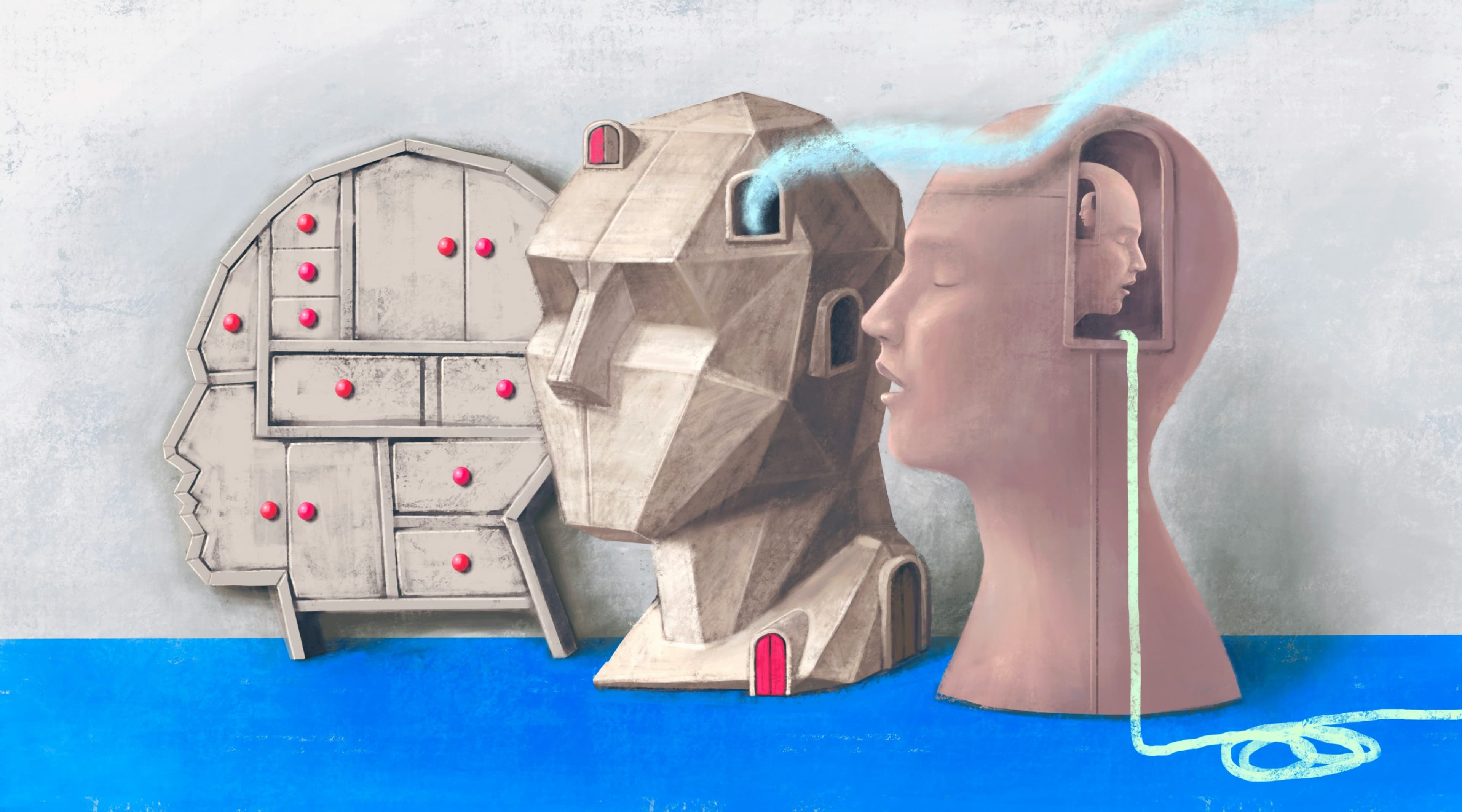
Every day across the United States, many individuals in correctional facilities navigate invisible challenges that stem not from defiance or disregard for rules, but from unrecognized neurodevelopmental conditions such as attention deficit hyperactivity disorder (ADHD) and autism spectrum disorder (ASD). By better understanding these conditions- and supporting both individuals and correctional staff- we can create correctional and reentry systems that are more effective, equitable, and humane.
Recognizing Hidden Barriers to Rehabilitation
Research shows that between 25% and 45% of incarcerated individuals meet the diagnostic criteria for ADHD, compared to about 4–5% in the general adult population. Autism is less frequently diagnosed in correctional settings, yet studies suggest that it is often underrecognized or misinterpreted as willful noncompliance. These missed diagnoses can make incarceration particularly difficult for neurodivergent individuals, leading to misunderstandings, disciplinary incidents, and limited participation in rehabilitative programming.
However, understanding these dynamics opens new possibilities for reform. When correctional systems and community partners collaborate to identify these conditions early, they can tailor supports that reduce behavioral challenges, improve safety, and lay the foundation for successful reentry.
Partnering for Early Identification and Support
Early and accurate identification of ADHD and autism is critical- not only within correctional settings but across schools, youth programs, and community mental health systems. Municipal governments and local education agencies can work together to expand access to behavioral health screenings and culturally responsive assessments. Community-based organizations can bridge families to care and prevention initiatives that keep youth engaged and out of the justice system.
Inside correctional facilities, intake screenings can be strengthened by using validated tools administered by trained professionals. This proactive approach empowers staff to respond more effectively while providing individuals with resources that meet their specific needs.
Expanding Treatment and Skill Development
Effective treatment of neurodevelopmental conditions in correctional environments benefits everyone. For those with ADHD, cognitive behavioral therapy (CBT), medication management, and structured support can improve focus, emotional regulation, and relationships with staff. For those on the autism spectrum, sensory-friendly spaces, consistent routines, and individualized communication strategies can significantly improve quality of life and participation in programming.
Many facilities are already showing what’s possible- piloting therapeutic housing units, peer mentorship programs, and cross-agency collaboration models. These initiatives not only reduce conflict but also strengthen pathways to learning and employment after release.
Supporting Staff and Building Trust
Correctional staff play a crucial role in this transformation. With proper training and institutional support, they can become partners in rehabilitation- building trust, improving safety, and fostering environments conducive to growth. Investing in professional development, trauma-informed practices, and staff wellness ensures that officers have the tools and understanding to manage complex needs with confidence and compassion.
Strengthening Reentry and Community Partnerships
Continuity of care upon release is essential. Reforms such as expanding Medicaid eligibility, increasing reentry navigation services, and linking individuals to community mental health providers ensure that progress made inside doesn’t end at the gate. Partnerships between correctional systems, clinics, and academic institutions can help design data-informed models that promote long-term success and reduce recidivism.
A Vision for Shared Progress
Building equitable systems for neurodivergent individuals in the justice system requires collaboration, empathy, and sustained investment. When public agencies, healthcare providers, educators, and community partners work together, everyone benefits.
By shifting from a punitive to a restorative approach, we not only improve outcomes for individuals with ADHD and autism but also contribute to safer facilities, stronger communities, and a more just society- one that understands that true rehabilitation begins with recognition, respect, and the power of connection.
Bibliography
Arcia, Emily, María Concepción Fernández, Michelle Jaquez, Haydee Castillo, and Melissa Ruiz. “Screening for ADHD in a Spanish-Speaking Population: The Use of Teacher Ratings in a Community Sample.” Journal of Abnormal Child Psychology 28, no. 2 (2000): 145–55.
Centers for Medicare & Medicaid Services (CMS). “Opportunities to Improve Health Outcomes for Justice-Involved Individuals.” Medicaid Section 1115 Demonstrations, 2023. https://www.medicaid.gov/medicaid/section-1115-demonstrations/opportunities-improve-health-outcomes-justice-involved-individuals/index.html.
Eme, Robert. “Attention-Deficit Hyperactivity Disorder and Correctional Health Care.” Journal of Correctional Health Care 18, no. 1 (2012): 43–52.
Ginsberg, Ylva, Javier Quintero, Eduardo Anand, Miguel Casillas, and H. Paul Upadhyaya. “Attention Deficit Hyperactivity Disorder (ADHD) in Prisoners: A Review of the Literature.” Current Psychiatry Reports 16, no. 12 (2014): 1–8.
King, Claire, and Glynis Murphy. “A Systematic Review of People with Autism Spectrum Disorder and the Criminal Justice System.” Journal of Autism and Developmental Disorders 44, no. 11 (2014): 2717–33.
Pope, Chloe, and David Pearson. “Meeting the Needs of Offenders with Autism Spectrum Disorders: A Survey of Prisons.” Journal of Intellectual Disabilities and Offending Behaviour 3, no. 1 (2012): 33–40.
Young, Susan, Daniel Moss, Oliver Sedgwick, Matthew Fridman, and Philip Hodgkins. “A Meta-Analysis of the Prevalence of Attention Deficit Hyperactivity Disorder in Incarcerated Populations.” Psychological Medicine 45, no. 2 (2015): 247–58.