Muffin but Respect: How Baked Goods Do Better HR Than Your Intranet
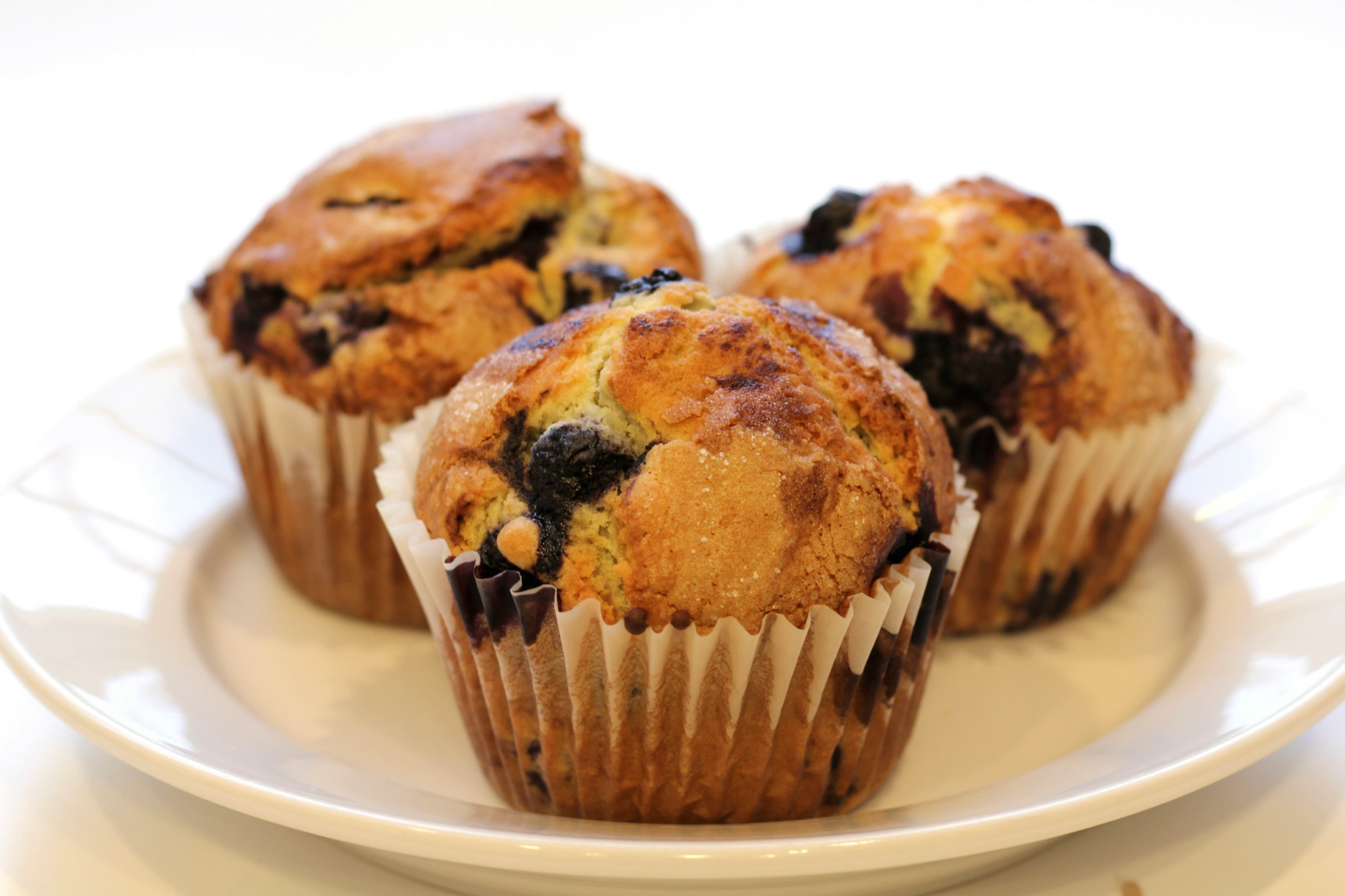
When you hand someone a muffin and a cup of coffee at work, you are not just offering them breakfast. You are delivering a sugar-coated sonnet of solidarity, a caffeinated contract of camaraderie. That muffin says, “Out of all the people navigating this chaotic day, I saw you, and I chose to sprinkle you with streusel.” In high-stress workplaces like elementary schools, where the line between a math lesson and a minor uprising is razor-thin, these small gestures are not just thoughtful - they are tactical. They are the glue sticks of workplace morale.
In communication theory, nonverbal gestures like gift-giving play a critical role in relational development. According to Knapp and Vangelisti, such behaviors function as relational maintenance strategies, subtly reinforcing positive impressions and emotional bonds without a single word spoken1. So yes, your muffin is basically a TED Talk in pastry form. It says, “I value you,” “I admire your grit,” and “I remembered you don’t like raisins,” all in one flaky bite. That’s more effective than any email marked “high importance.”
Discretionary Kindness: The Secret Sauce of Cohesive Teams
Discretionary effort - the things people do beyond their job descriptions - is the unsung hero of workplace chemistry. Bringing someone a muffin is not in the employee handbook. There is no line item in the budget for “emotional muffins.” And yet, research shows that these kinds of altruistic behaviors, often referred to as organizational citizenship behaviors (OCBs), directly contribute to higher job satisfaction, reduced turnover, and increased organizational commitment2.
Think about the difference between someone handing you a hot muffin and someone handing you their third regifted “World’s Best Teacher” mug from 2019. One says, “I braved the line at the bodega for you.” The other says, “I found this in my car’s glove compartment.” The act of choosing a fresh gift, even something as humble as coffee, signals intentionality. It affirms that you matter outside of your professional utility, and that’s exactly the kind of message that builds trust and team cohesion in high-pressure environments like schools, hospitals, or government offices.
High-Stress Environments Need Low-Stakes Heroes
Elementary schools are basically emotional amusement parks without seat belts. Between surprise fire drills, missing Chromebooks, and a fifth grader named Jayden who insists he’s allergic to fractions, the stress levels are high. In these conditions, communication must go beyond formal meetings and scheduled check-ins. It has to be spontaneous, affirming, and low-pressure - like a muffin. According to the U.S. Office of Personnel Management, fostering a culture of empathy and informal support significantly boosts employee resilience in high-stress workplaces3.
In my experience, the best workplace relationships are forged not over formal collaborations but over shared snacks and whispered hallway jokes. One custodian I worked with used to leave extra paper towels in the staff restroom for the teachers. No note, no announcement - just a quiet act of kindness. That was his muffin. And it worked. People checked in on him when he was out sick. They brought him soup. Informal kindness created a feedback loop of care. That’s the power of simple, intentional gestures.
An Extended Muffin Metaphor: Workplace Diplomacy in a Wrapper
Think of your workplace like a medieval kingdom. The custodian is the blacksmith. The assistant principal is the knight. The kindergarten teacher is the bard who sings songs about the letter “B.” In this world, the muffin is the diplomatic envoy. It arrives without fanfare but with deep political implications. Who gets the muffin? What flavor is it? Was it warmed? These choices matter. They send messages. A blueberry muffin says, “I respect your classics.” A chocolate chip muffin says, “I think you’re fun and deserve joy.” A bran muffin says, “I didn’t know what to get, but I tried.”
And if you think none of this matters, observe what happens when someone is left out of the muffin loop. Jealousy. Suspicion. A week of passive-aggressive Post-it notes. Workplace communication is not just about what you say - it’s about how you show up. These seemingly minor acts are part of your personal brand. They’re the emojis of workplace interaction, the nonverbal signals that say, “You matter to me, not just as a coworker, but as a person.”
The Message Behind the Muffin: Strategic Communication in Action
From a communication and speech perspective, these gestures function as powerful tools of emotional expression and relational alignment. According to Harvard Business Review, the most effective leaders are those who communicate through consistent, affirming actions as much as through words4. A well-timed coffee and muffin is a form of workplace rhetoric - a persuasive act that builds ethos (credibility) and pathos (emotional connection) without a single staff meeting.
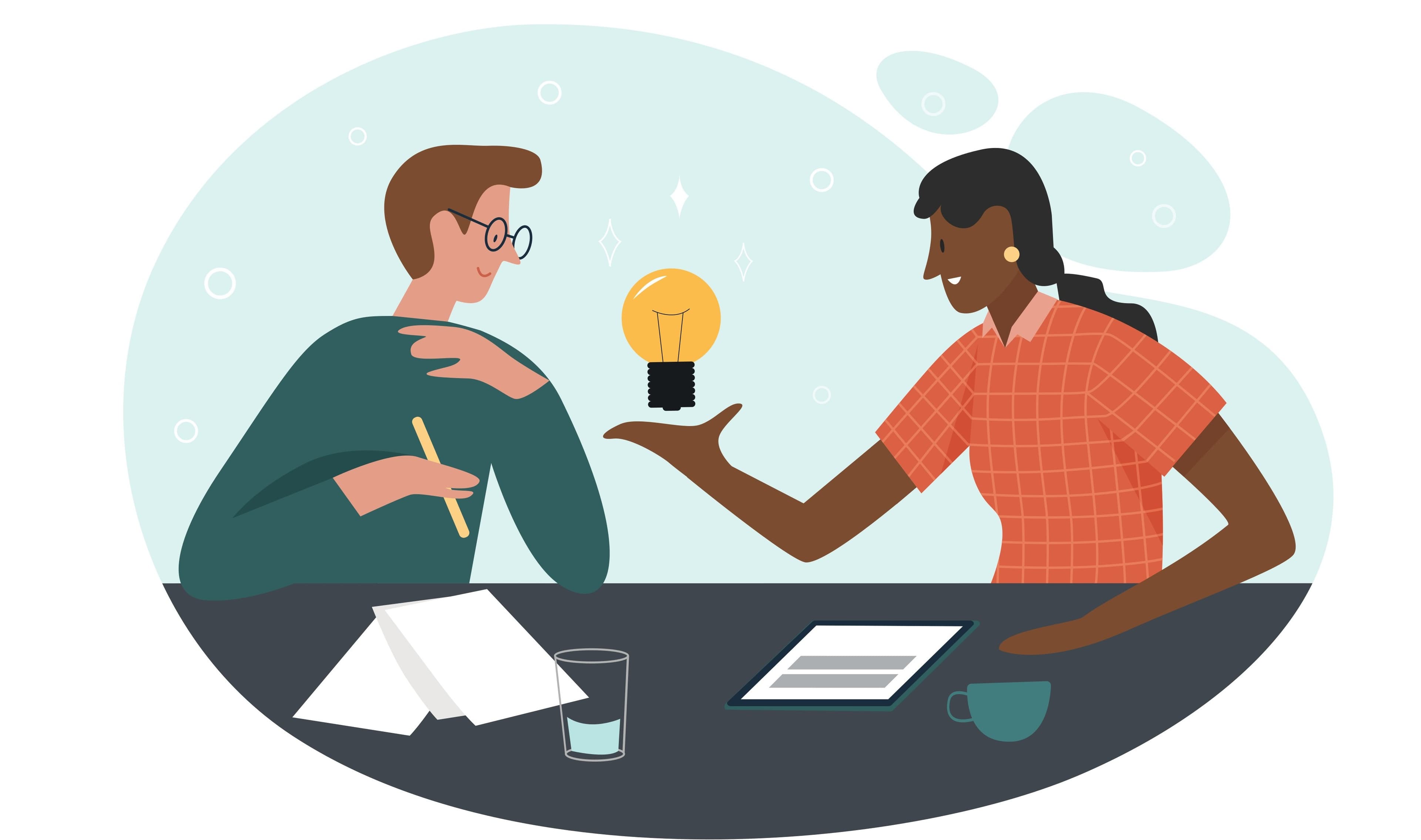
In high-functioning teams, this kind of informal communication creates psychological safety, which research from Google’s Project Aristotle identified as the most important factor in team success5. When people feel safe, valued, and seen, they participate more fully, offer better ideas, and are more willing to support others. Your muffin is not just breakfast. It’s a morale strategy. It’s a communication tool. It’s the office version of a standing ovation.
Choose Wisely
So, the next time you're debating whether to pick up that scone or splurge on a double-chocolate muffin, remember: you’re not just buying baked goods - you’re launching a micro-campaign of goodwill. That muffin might brighten someone’s day, mend a tense relationship, or at the very least, distract a coworker from Jayden’s latest fraction allergy incident. The ripple effect is real. Muffin today, morale boost tomorrow.
Choose your pastry like it’s a diplomatic communiqué. Be bold. Be thoughtful. Be the person who turns a Tuesday into a tiny celebration of humanity. Because while you might forget the spreadsheet you finished at 3 p.m., someone will remember that muffin forever - especially if it had chocolate chips and a warm napkin. Strategic communication never tasted so sweet.
Bibliography
Knapp, Mark L., and Anita L. Vangelisti. Interpersonal Communication and Human Relationships. Boston: Pearson, 2018.
Organ, Dennis W., and Katherine Ryan. "A Meta-Analytic Review of the Relationship Between Organizational Citizenship Behavior and Job Satisfaction." Journal of Applied Psychology 96, no. 6 (2011): 1222-1233.
U.S. Office of Personnel Management. Workplace Flexibilities and Work-Life Programs. Washington, DC: OPM, 2022. https://www.opm.gov/policy-data-oversight/worklife/.
Goleman, Daniel. "What Makes a Leader?" Harvard Business Review 76, no. 6 (1998): 93-102.
Duhigg, Charles. "What Google Learned From Its Quest to Build the Perfect Team." The New York Times Magazine, February 25, 2016.
More from 2 Topics
Explore related articles on similar topics