Leveraging Media and Messaging to Promote Writing for Wellness

Leveraging Media and Messaging to Promote Writing for Wellness
Municipal governments have a unique opportunity to use media and messaging strategies to advance health and mental wellness through writing. As cities increasingly prioritize holistic public health, messaging campaigns that frame writing as a tool for emotional balance and resilience can be a low-cost, high-impact approach. Effective messaging must go beyond promotion and tap into authentic storytelling, trusted messengers, and accessible platforms to connect with residents in meaningful ways.
To position writing as a wellness tool, municipal communication teams should integrate it into broader public health narratives. Messaging that aligns writing with stress reduction, emotional self-regulation, and community connection can make the practice feel both relevant and approachable. This can be achieved through coordinated campaigns that include social media storytelling, public service announcements, and local partnerships with libraries and mental health organizations. Ensuring consistency across platforms and tailoring messages for different demographic groups helps build trust and awareness around the value of writing for mental well-being.
Creating Community Narratives Through Local Media
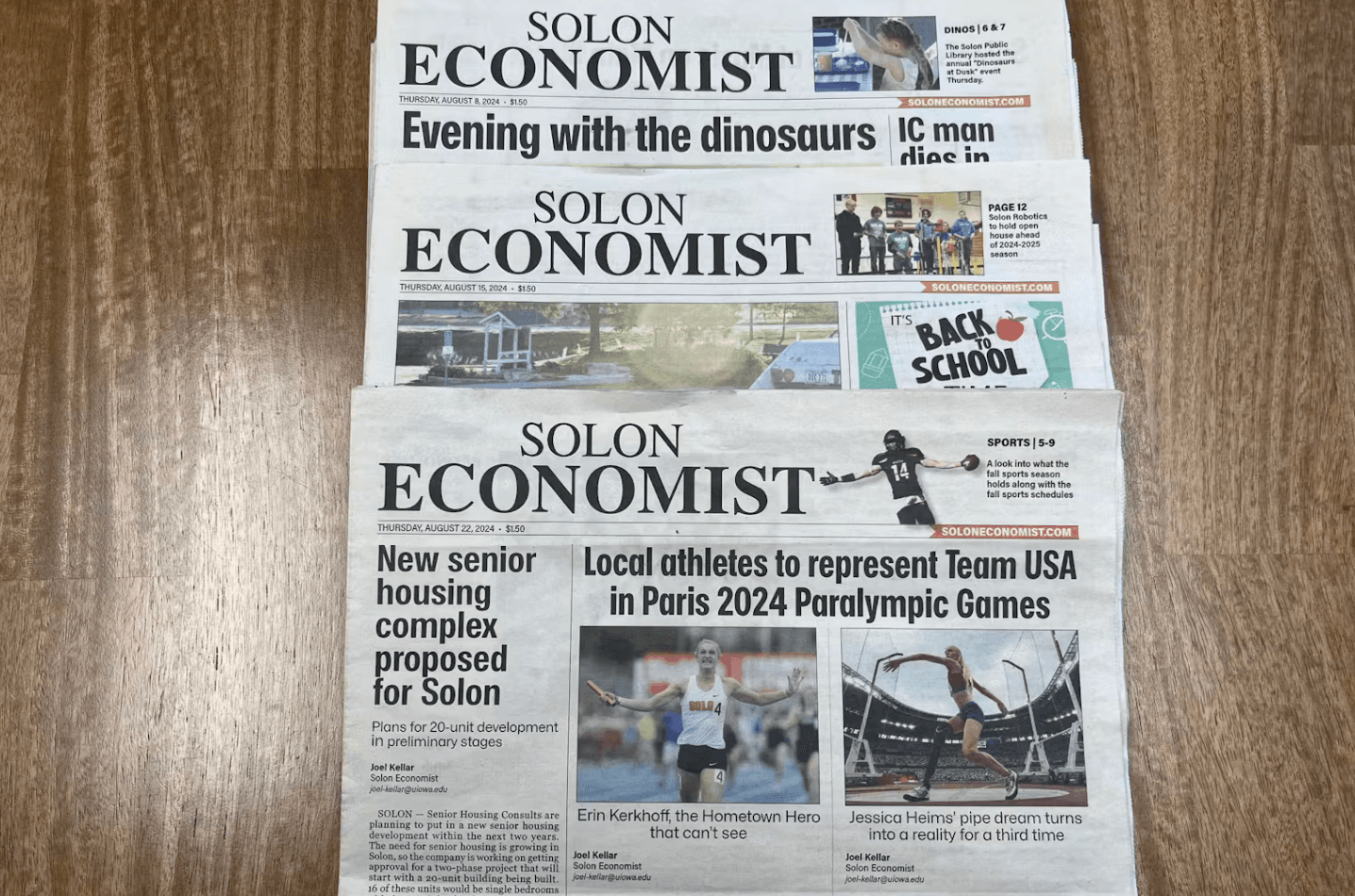
Local media outlets, including city-run newsletters, community radio, and public access television, offer valuable platforms to amplify resident voices and highlight the benefits of writing. Featuring firsthand accounts from residents who have used journaling or creative writing to manage anxiety, grief, or burnout can humanize mental health topics while promoting accessible wellness practices. These stories also reinforce the idea that writing is not only for professional authors but for anyone seeking emotional clarity and self-growth.
City governments can collaborate with neighborhood associations and cultural centers to source stories and produce content that reflects the diversity of residents' experiences. For example, a monthly column in a city newsletter could spotlight a different resident's writing journey, accompanied by a sample of their work. These narratives not only validate individual experiences but also contribute to a collective story of resilience, which can reduce stigma around mental health and foster a sense of belonging across communities.
Messaging Around Accessibility and Inclusion
Clear and inclusive messaging is essential to ensure writing-based wellness initiatives reach residents across languages, literacy levels, and life circumstances. Municipal communication teams should use plain language and provide translations in the primary languages spoken in the community. Visual storytelling, such as video testimonials or illustrated guides, can also bridge literacy gaps and reduce barriers to participation.
It is equally important to present writing as a flexible tool that can fit into different lifestyles. Messaging should emphasize that writing for wellness does not require expensive supplies, formal training, or large time commitments. A simple prompt on a sticky note, a voice-to-text journal entry, or a shared story at a neighborhood gathering can all count as meaningful writing. By normalizing these diverse practices, cities can help residents see writing as an accessible and empowering form of self-care.
Integrating Writing into Civic Engagement Campaigns
Writing can also be positioned as a tool for civic expression and participation. Municipal campaigns that invite residents to share their hopes, concerns, and reflections through essay contests, letter-writing drives, or digital storytelling projects can simultaneously promote emotional well-being and democratic engagement. These activities create opportunities for residents to process complex social issues while contributing to the public dialogue.
For example, cities can launch initiatives tied to cultural observances or local anniversaries, encouraging residents to reflect on their personal connections to the community. Submissions can be curated into public displays, zines, or digital archives. These programs not only promote writing as a mechanism for self-reflection but also reinforce the role of residents as active participants in shaping community identity and policy. When writing is framed as both a personal and civic act, it strengthens the social fabric and supports mental resilience.
Amplifying City-Supported Writing Programs
Municipal governments can use media and messaging to elevate existing writing workshops, library programs, and arts initiatives that support mental health. Promoting these programs through targeted outreach, multilingual flyers, and short-form videos increases visibility and participation. Testimonials from past participants can be especially persuasive, demonstrating how writing has helped individuals navigate life transitions, trauma, or ongoing stress.
City websites and social media should maintain updated calendars and registration information for writing events, while also sharing writing prompts and wellness tips to encourage ongoing engagement. Messaging should emphasize that these programs are welcoming, free or low-cost, and open to all residents regardless of writing experience. Ensuring that facilitators reflect the cultural and linguistic diversity of the community also builds trust and fosters an inclusive environment where participants feel seen and supported.
Daily Writing Tips Shared Through Municipal Channels
Incorporating writing into daily routines can be encouraged through small, consistent messaging efforts. City communication teams can use email newsletters, SMS alerts, or social media posts to share simple daily prompts or journaling techniques. These can be tied to broader themes such as gratitude, mindfulness, or seasonal transitions, encouraging residents to take a few moments for reflection each day.
Initiatives like "Write for Five" - a campaign encouraging five minutes of writing per day - can be promoted through schools, community centers, and workplaces. Participatory hashtags, downloadable writing journals, or printable templates can make the practice more engaging. When residents see writing framed as a manageable, everyday tool rather than a therapeutic obligation, they are more likely to adopt it as part of their wellness habits.
Partnering with Public Health Departments and Mental Health Providers
Strong partnerships with public health departments and local mental health providers can enhance the credibility and reach of writing-for-wellness initiatives. Messaging should be coordinated to ensure that writing is not positioned as a substitute for professional care but as a complementary practice that supports emotional regulation and cognitive processing. This distinction is important for managing expectations and guiding residents to appropriate resources.
Joint campaigns can feature cross-branded materials, co-hosted workshops, and referrals between writing programs and mental health services. For instance, a city might collaborate with a behavioral health clinic to integrate writing prompts into therapy sessions or recovery support groups. By aligning messaging across institutions, municipalities can more effectively communicate the mental health benefits of writing while reinforcing a coordinated approach to community wellness.
My Perspective: Finding Clarity Through Words
As someone who first turned to journaling during a stressful period in college, I quickly discovered how writing could quiet my mind in ways that talking sometimes couldn’t. Putting my thoughts on paper helped me make sense of emotions that felt too tangled to say out loud. Over time, it became more than a coping tool, it became a form of self-connection. To this day writing is a way that I release and connect with others locally and from afar!
Now, I often encourage others to write, even if it’s just a few sentences a day. You don’t have to be a poet or a novelist to benefit from it. A simple gratitude list, a reflection on your day, or even a letter you never send can shift your perspective and lighten your mental load. Writing reminds us that our inner world deserves space and attention, and that healing can sometimes start with just one honest line.
Conclusion: Sustaining a Culture of Writing as Wellness
Media and messaging play a central role in normalizing writing as a wellness practice across communities. Through intentional storytelling, inclusive language, and coordinated campaigns, municipal governments can promote writing not just as a form of expression but as a practical method for stress management, self-awareness, and healing. Sustained messaging efforts help residents build habits that support long-term mental health and social connection.
By embedding writing into the broader narrative of community wellness and civic engagement, cities can foster environments where emotional expression is valued and supported. The strategic use of media to amplify these messages ensures they reach residents where they are, empowering them to use writing as a tool for resilience in their everyday lives.





Join the discussion
Members can read and add comments on every article.