Leadership Under Pressure: Balancing Ethics, Emotion, and Reform in Policing
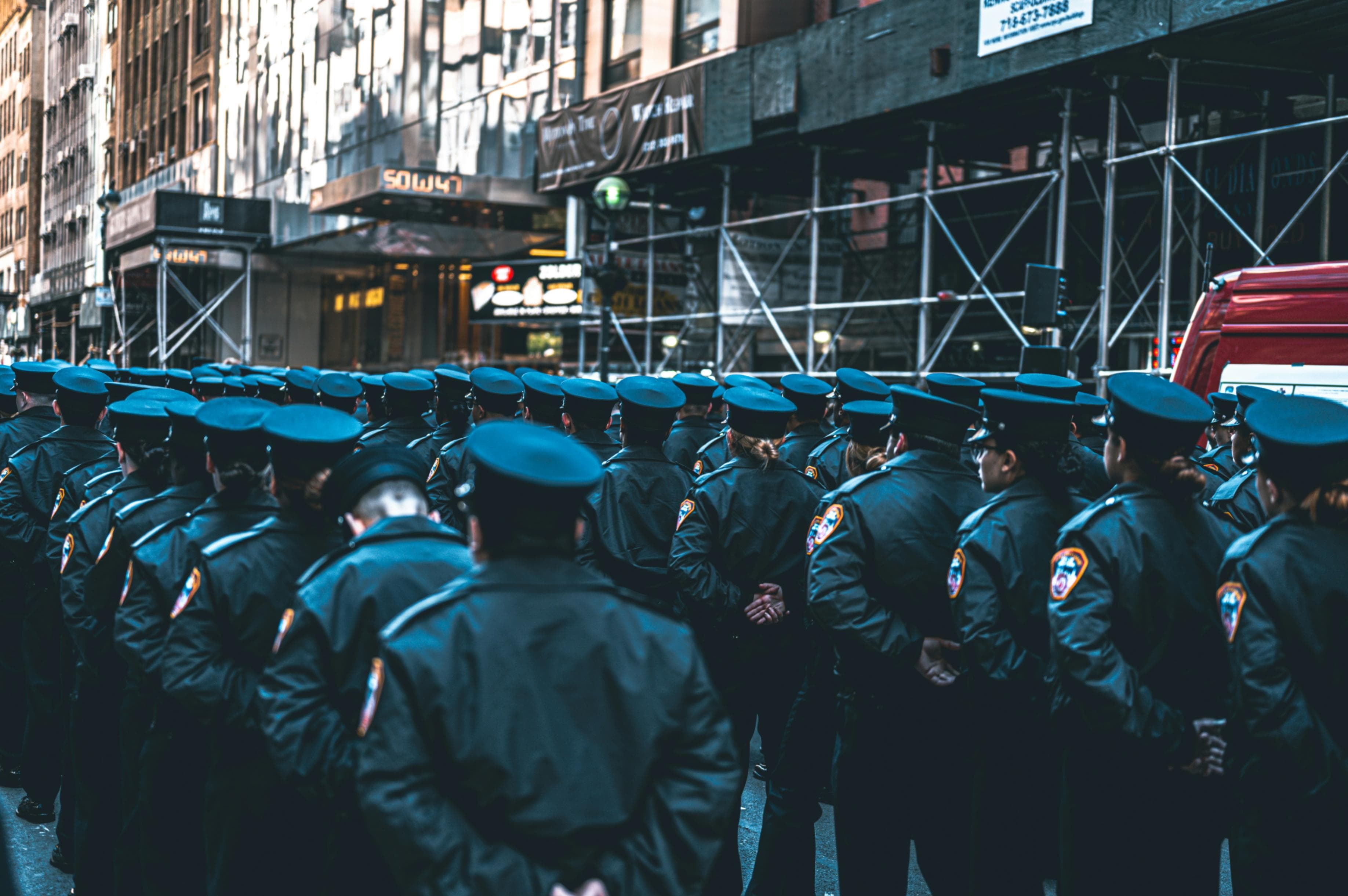
One of the defining characteristics of effective leadership in modern policing is ethical consistency. When leaders apply principles and policies unevenly, it erodes both internal respect and public trust. Ethical consistency is not just about following written rules but embodying the values those rules are meant to uphold. Leaders must demonstrate this consistency not only through discipline but also in promotions, commendations, and operational decisions. A department's culture is shaped as much by what it celebrates as by what it condemns.
This consistency must be observable and measurable. For instance, when leaders communicate decisions about disciplinary actions, they should tie those decisions directly to departmental codes of conduct and clearly explain how the actions align with organizational values. According to the U.S. Department of Justice's Office of Community Oriented Policing Services, maintaining transparency and consistency in disciplinary processes increases the legitimacy of leadership in the eyes of both officers and the community¹. Leaders should also invest in internal audits and third-party reviews to ensure policies are applied uniformly, reinforcing that no one is above the standard.
Leading Through Crisis: Tactical Communication and Emotional Intelligence
Crises test leadership in profound ways, particularly when public emotions run high. Law enforcement leaders must be calm communicators during these moments, not only to maintain order but also to model stability. Tactical communication is more than a media strategy - it is a leadership tool for shaping both internal and external perceptions. Leaders must be trained in media relations, crisis de-escalation, and community dialogue. These skills enable them to deliver facts in a way that is empathetic without being apologetic, and firm without being defensive.
Emotional intelligence plays a key role in these interactions. Leaders must be attuned to the emotions of their officers, the victims involved, and the broader community. According to the Police Executive Research Forum, emotionally intelligent leaders who demonstrate empathy and self-regulation are more successful in sustaining community partnerships and reducing internal stress during high-profile incidents². Training in emotional intelligence should be incorporated into promotional pathways so that leaders are developed, not just selected. This investment in leadership development equips departments to navigate high-stakes environments with both professionalism and humanity.
Developing Mid-Level Leadership: The Bridge Between Policy and Practice
While chiefs and sheriffs often serve as the public face of leadership, the organizational culture of a department is largely shaped by lieutenants, sergeants, and captains. These mid-level leaders are the ones who translate policy into practice. Investing in their leadership development is crucial for sustaining long-term cultural change. Departments should establish structured mentorship programs, leadership academies, and cross-functional assignments to prepare mid-level supervisors for broader responsibilities.
Research from the International Association of Chiefs of Police indicates that departments with formalized leadership development programs see stronger policy adherence and higher officer morale³. These programs should include scenario-based ethics training, performance coaching, and modules on cultural competency. Mid-level leaders must feel empowered to correct behavior proactively, not just reactively. If they are trained to lead with both accountability and support, they will become the linchpins of the department’s integrity and operational effectiveness.
Creating a Feedback Loop: Listening as a Leadership Imperative
Strong leaders don’t just issue directives - they create systems to receive feedback from the people they lead and serve. Establishing formal and informal feedback loops within the department and with the community helps leaders understand how policies are functioning in real time. Internally, this might take the form of anonymous employee surveys, open-door policies, or regular town-hall meetings with staff. Externally, it requires meaningful engagement with community groups, civilian oversight boards, and advocacy organizations.
A study by the National Institute of Justice found that departments that actively engage in two-way communication with the public experience higher levels of trust and cooperation, particularly in marginalized communities⁴. Listening does not mean agreeing with every criticism, but it does mean acknowledging public concerns and explaining institutional decisions with respect and clarity. Leaders should systematize listening by incorporating feedback into policy reviews and performance evaluations. This approach allows departments to evolve in response to changing community expectations without compromising operational principles.
Balancing Reform and Operational Reality
Effective leadership also requires managing the tension between reform mandates and operational realities. External calls for police reform often demand rapid changes in use-of-force policies, training protocols, and data transparency. While many of these reforms are necessary and justified, they can create implementation challenges if not aligned with the day-to-day realities of officers on the street. Leaders must act as translators between policymakers and practitioners, ensuring that reforms are actionable and that officers are prepared to implement them.
For example, body-worn camera policies might be widely supported, but without proper training, data infrastructure, and clear usage protocols, their effectiveness is compromised. According to a report by the Urban Institute, successful reform depends heavily on leadership's ability to manage the pace of change and ensure operational feasibility⁵. Leaders must communicate not only what is changing, but why it is changing, and how it will be supported. This includes budget planning, staff training, and continuous evaluation to ensure reforms are sustainable.
Conclusion: The Leadership Legacy
Leadership in modern policing is not about popularity or protectionism. It is about principled stewardship. A law enforcement leader’s legacy is not measured by the number of press conferences held or controversies avoided, but by the ethical standards they reinforce, the trust they build, and the resilience they instill in their departments. Holding officers accountable and supporting them are not contradictory actions - they are complementary responsibilities that define credible leadership.
The path forward requires leaders who are both courageous and compassionate, who listen as actively as they lead, and who never lose sight of the dual mission: to protect public safety and uphold public trust. By investing in ethical consistency, communication, mid-level development, feedback systems, and reform integration, today’s law enforcement leaders can navigate complexity with clarity and leave their departments stronger than they found them.
Bibliography
U.S. Department of Justice, Office of Community Oriented Policing Services. “Building Trust Between the Police and the Citizens They Serve.” Washington, DC: 2014.
Police Executive Research Forum. “Guiding Principles on Use of Force.” Washington, DC: 2016.
International Association of Chiefs of Police. “Leadership in Police Organizations: Program Evaluation.” Alexandria, VA: 2020.
National Institute of Justice. “Procedural Justice and Police Legitimacy.” Washington, DC: 2018.
Urban Institute. “Implementing Police Reform in the Current Environment: Challenges and Opportunities.” Washington, DC: 2021.