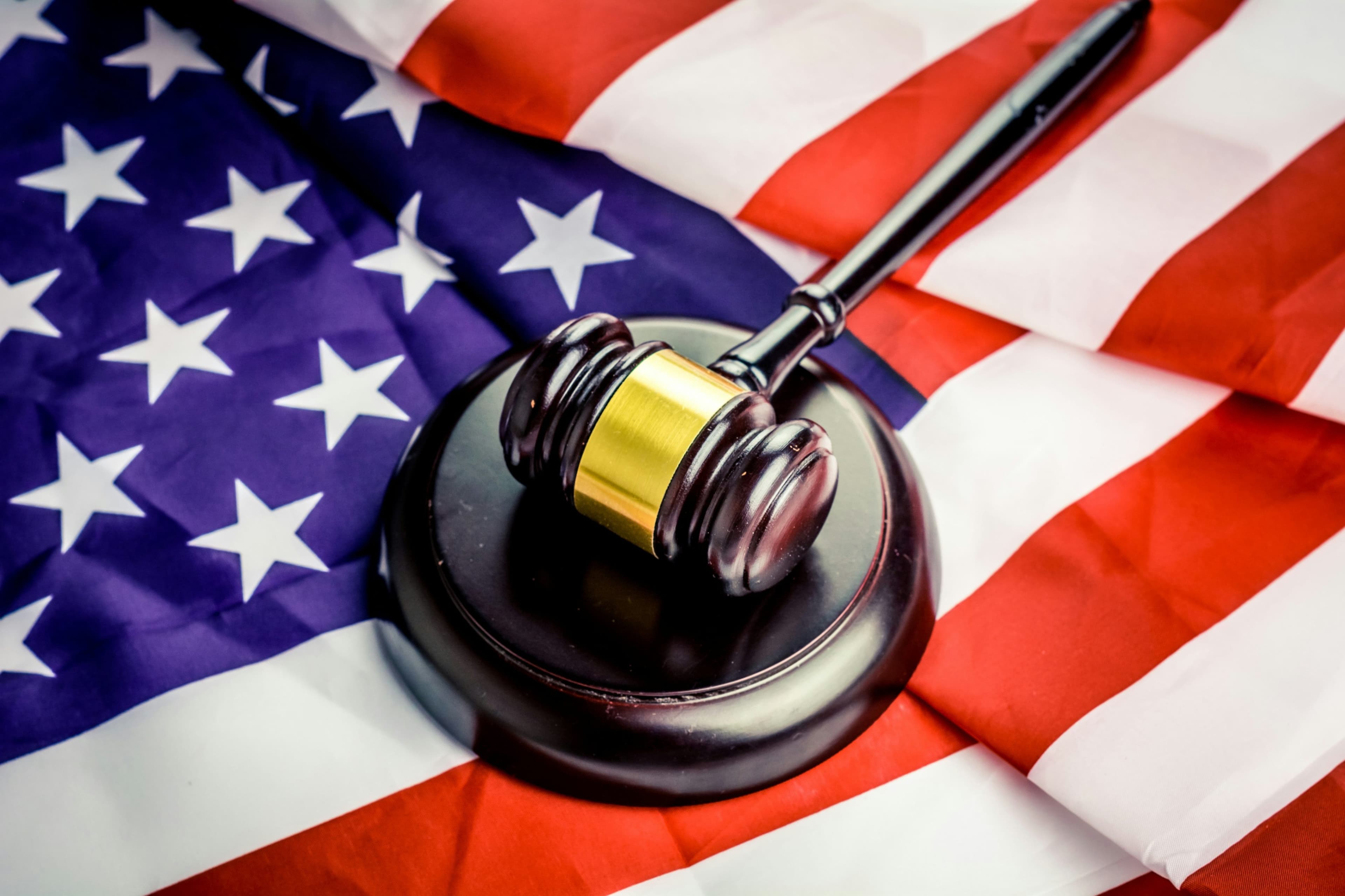
Justice with Compassion: Why Veterans Treatment Courts Work
Veterans treatment courts are designed to address the distinct behavioral health challenges that some veterans face after military service, particularly those related to post-traumatic stress disorder (PTSD), traumatic brain injury (TBI), and substance use disorders. These conditions can contribute directly or indirectly to behaviors that result in non-violent criminal offenses. Veterans treatment courts recognize that these offenses often stem from service-related trauma, and the court structure allows for legal accountability while integrating treatment and supervision as core components of the judicial process.
Unlike traditional courts, veterans treatment courts operate with a collaborative model that includes judges, prosecutors, defense attorneys, treatment providers, and Veterans Affairs (VA) representatives. Each of these actors plays a specific role in ensuring that the veteran is not only held accountable for their actions, but also receives comprehensive support and monitoring throughout the legal process. This model facilitates a more holistic approach to justice by aligning legal outcomes with rehabilitative resources that are often underutilized in standard court proceedings (Russell 2009)1.
Key Operational Features of Veterans Treatment Courts
One of the most critical components of veterans treatment courts is the integration of VA services and peer mentorship. Veterans Affairs Officers embedded in the court process assist defendants in accessing health care, housing support, mental health treatment, and vocational training. These officers act as liaisons between the court and the VA system, ensuring that benefits and services are activated in a timely and coordinated fashion. This function not only improves the veteran's engagement with the court process but also enhances the likelihood of long-term recovery and stability (Clark et al. 2010)2.
Peer mentors, who are often veterans themselves, provide emotional support and accountability. Their inclusion is a unique element of the veterans court model, offering participants a trusted figure who understands military culture and the difficulties of transitioning to civilian life. This peer-to-peer relationship has been shown to increase program retention and reduce recidivism, especially among veterans who may otherwise be skeptical of institutional authority (Tsai et al. 2017)3.
Public Policy Benefits and Cost Considerations
From a public policy standpoint, veterans treatment courts offer a cost-effective alternative to incarceration. Studies have found that diverting eligible veterans into treatment programs rather than jail reduces the burden on correctional systems while improving public safety outcomes. For example, the RAND Corporation has noted that such specialized courts can reduce recidivism rates when properly resourced and managed (Cowell et al. 2013)4. These reductions translate into substantial savings for local governments, particularly in areas with high veteran populations.
Additionally, the therapeutic jurisprudence model used in veterans treatment courts aligns with broader criminal justice reform efforts aimed at reducing mass incarceration and addressing the root causes of criminal behavior. By intervening early and connecting veterans with services, these courts contribute to more sustainable public safety outcomes. They also help build public trust in the justice system by demonstrating a commitment to fair and individualized treatment based on a defendant’s background and service history (Holbrook and Anderson 2011)5.
Implementation Challenges and Best Practices
While the benefits of veterans treatment courts are well documented, implementing them requires careful planning and interagency coordination. Challenges include securing consistent funding, ensuring that all stakeholders are trained in trauma-informed practices, and maintaining fidelity to the program model. Courts must also be vigilant to avoid mission creep by clearly defining eligibility criteria and focusing on the population most likely to benefit from the intervention. According to the National Institute of Justice, successful veterans courts establish strong partnerships with local VA offices, community-based organizations, and law enforcement agencies (NIJ 2016)6.
Best practices include conducting comprehensive needs assessments for each participant, using validated screening tools to determine program eligibility, and implementing structured case management protocols. Courts that employ evidence-based treatment modalities and regularly evaluate program outcomes tend to demonstrate stronger results. Additionally, stakeholder buy-in from judges, prosecutors, and defense attorneys is crucial for sustaining long-term program viability. Jurisdictions considering the establishment of a veterans treatment court should begin with a strategic plan that outlines goals, resource requirements, and performance metrics (Baldwin and Rukus 2015)7.
Policy Considerations for Local Government Leaders
Local government leaders and public policy practitioners should view veterans treatment courts as a strategic investment in public health and safety. These courts not only fulfill a moral obligation to support those who have served in the armed forces, but also generate measurable community benefits. By reducing recidivism, decreasing jail populations, and promoting recovery, veterans courts contribute to system-wide efficiencies and improved civic outcomes. For municipalities with limited resources, forming regional partnerships may be a viable approach to sharing costs and expanding access to specialized services.
Policymakers should also consider legislative and budgetary support to institutionalize veterans treatment courts within their jurisdictions. This includes allocating funds for staffing, training, and data collection to monitor program effectiveness. Long-term sustainability also depends on integrating these courts into broader behavioral health and criminal justice strategies. As more data becomes available, continuous policy evaluation will be essential to refine operational models and ensure that veterans treatment courts remain responsive to the evolving needs of the veteran population (Wilson et al. 2018)8.
Conclusion: Advancing Justice Through Rehabilitation
Veterans treatment courts represent a pragmatic and compassionate response to the complex challenges facing justice-involved veterans. By combining accountability with access to structured support and treatment, these courts offer a pathway to recovery that benefits not only the individual veteran, but also their families and communities. Implementing such courts requires commitment and coordination, but the return on investment in terms of reduced recidivism, improved health outcomes, and enhanced public safety is substantial.
For public policy professionals and local government leaders, supporting veterans treatment courts aligns with principles of effective governance and responsive justice. These courts exemplify how targeted interventions, grounded in evidence and informed by service-specific needs, can produce durable improvements in both individual lives and institutional systems.
Bibliography
Russell, Robert. 2009. “Veterans Treatment Court: A Proactive Approach.” New England Journal on Criminal and Civil Confinement 35: 357-372.
Clark, Shira Maguen, et al. 2010. “Posttraumatic Stress Disorder and Risk of Suicide in Veterans.” Annals of the New York Academy of Sciences 1208 (1): 90-97.
Tsai, Jack, et al. 2017. “A National Study of Veterans Treatment Court Participants: Who Benefits and Who Recidivates.” Administration and Policy in Mental Health and Mental Health Services Research 44 (3): 345-356.
Cowell, Alexander J., et al. 2013. “The Cost-Effectiveness of Criminal Justice Diversion Programs for People with Serious Mental Illness.” Journal of Contemporary Criminal Justice 29 (4): 383-404.
Holbrook, Justin L., and Ryan Kelker Anderson. 2011. “Veterans Courts: Early Outcomes and Key Indicators for Success.” Widener Law Journal 21: 145-171.
National Institute of Justice. 2016. “Veterans Treatment Courts.” U.S. Department of Justice. https://nij.ojp.gov/topics/articles/veterans-treatment-courts
Baldwin, Julie M., and Joseph Rukus. 2015. “Healing the Wounds of War: An Examination of Veterans Treatment Courts in the Context of Restorative Justice.” Criminal Justice Policy Review 26 (2): 183-207.
Wilson, David B., et al. 2018. “A Systematic Review of Veterans Treatment Courts.” Journal of Experimental Criminology 14 (3): 355-381.
More from Public Policy
Explore related articles on similar topics