Jason Derulo and the Power of Student Storytelling
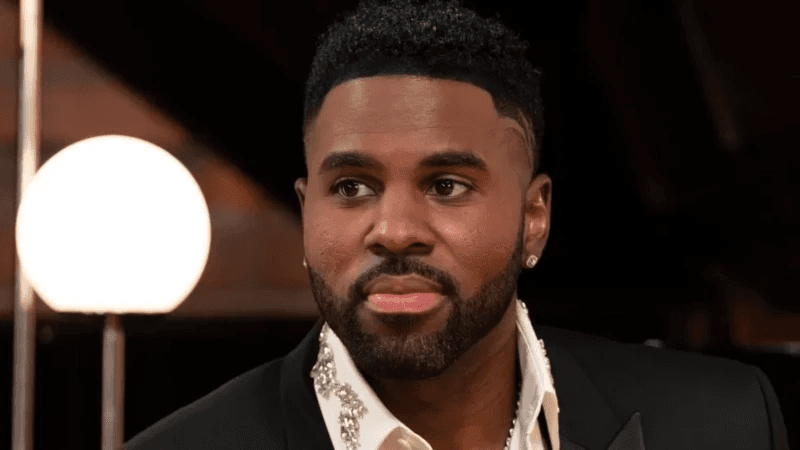
What does global pop star Jason Derulo have in common with a third grader in East New York trying to write their first personal narrative?
More than you’d think.
In Dream It! Sing It! Do It!, Derulo opens up about his early life as a Haitian American growing up in a tight-knit family, his love for music, and the grit it took to transform his passion into a career that spans the globe. Behind the bright lights and dance moves is something even more powerful for educators: a blueprint for how children, especially multilingual learners and students from historically underserved communities, can see themselves as storytellers, artists, and authors of their own dreams.
Literacy Begins with Voice
NYC public school classrooms and urban classrooms across America are filled with young people who, like Jason, come from rich cultural and linguistic backgrounds. These students often grow up navigating multiple identities and languages, translating between home and school, family and public life. Derulo’s story is not just a success narrative, it’s a reminder that honoring students’ voices, cultures, and aspirations can be the foundation of meaningful literacy instruction.
When we center stories like Jason’s in our classrooms, we affirm that students’ voices matter and that literacy isn’t just about reading and writing, but about learning to tell your story, find your purpose, and imagine what’s possible. Below are five ways educators and school leaders can bring this work to life.
1. Incorporating Arts Education to Support Student Development
The arts are a critical part of education. Jason Derulo’s story exemplifies how music and dance can be transformative outlets for self-expression, discipline, and career development. Data from the NYC Department of Cultural Affairs shows that students who participate in arts education tend to have higher attendance rates and are more likely to graduate from high school. Derulo’s experience underscores the real-world impact of arts programming, especially for students from underserved communities who may lack access to these resources outside of school.
Urban schools can leverage Derulo’s narrative as a gateway to enhance student interest in performing arts. Teachers might invite students to analyze lyrics, choreograph dance routines, or create digital storytelling projects that reflect their own aspirations. These activities encourage interdisciplinary connections and student-driven learning. By integrating music and dance into curricula, educators can boost engagement while also promoting critical thinking and collaboration skills.
2. Fostering Identity and Cultural Pride in the Classroom
Derulo’s pride in his Haitian heritage and the role of his family in his journey provide a valuable platform for urban schools to support cultural identity and community connection. Many city students are first or second generation immigrants navigating multiple cultural identities. Highlighting stories like Jason’s can validate these experiences and create space for students to celebrate their backgrounds. This approach encourages schools to affirm students’ identities and create inclusive environments where all students feel seen and valued.
Educators can build on this by incorporating family storytelling assignments, heritage celebrations, or oral history projects into their lesson plans. These activities not only deepen student engagement but also strengthen school-family partnerships. When students are invited to share their cultural traditions and family narratives, they are more likely to see school as a community that reflects their values. This contributes to improved academic outcomes and student well-being.
3. Using Jason Derulo’s Journey to Teach Career Readiness
Jason Derulo’s disciplined pursuit of his dream offers a concrete example of career readiness in action. His story can be used to teach middle and high school students about goal setting, time management, and the importance of building skills over time. Derulo’s path from local performances to global stages illustrates how a clear vision, combined with consistent effort, leads to meaningful career opportunities.
Schools can use Jason Derulo’s story in advisory, college and career readiness sessions, or mentorship programs to spark meaningful conversations about future goals. Students can chart their own career paths, reflect on the skills they want to strengthen, and explore how their passions might translate into real-world opportunities—including in the arts and creative industries. When tied to state standards, these activities not only keep students inspired but also help them build concrete, goal-oriented plans for life beyond the classroom.
4. Practical Implementation Strategies for Educators and Administrators
To effectively integrate Dream It! Sing It! Do It! into urban classrooms, schools should consider cross-curricular programming that brings together language arts, music, visual arts, and social studies. For example, an interdisciplinary unit might involve reading the book, analyzing its themes in a writing assignment, creating visual art inspired by students’ own dreams and culture. This type of curriculum design supports multiple learning styles and meets the needs of diverse learners, including English Language Learners and students with disabilities.
School leaders can also partner with community-based organizations that specialize in youth development and arts education. These partnerships can provide guest speakers, artist residencies, and after-school programming that extend the impact of classroom lessons. Administrators should ensure that professional development opportunities are available for teachers to learn how to facilitate culturally responsive and arts-integrated instruction using texts like Derulo’s.
5. Empowering Students Through Authentic Narratives
Jason Derulo’s story is not just one of fame and talent: it is a testament to what becomes possible when passion meets perseverance. For students, his journey offers a lens through which they can see their own potential, especially when supported by family, community, and education. Educators and school leaders have a unique opportunity to use this narrative to foster student agency, cultural pride, and academic ambition.
When students are empowered to dream big, express themselves, and take action, they begin to see the value of their own voices and the impact of their efforts. Integrating stories like Jason Derulo’s into the curriculum helps create learning environments where every student feels seen and motivated to chase their goals with purpose, creativity, and self-belief.





Join the discussion
Members can read and add comments on every article.