From Silos to Synergy: The Rise of Co-Teaching in Schools
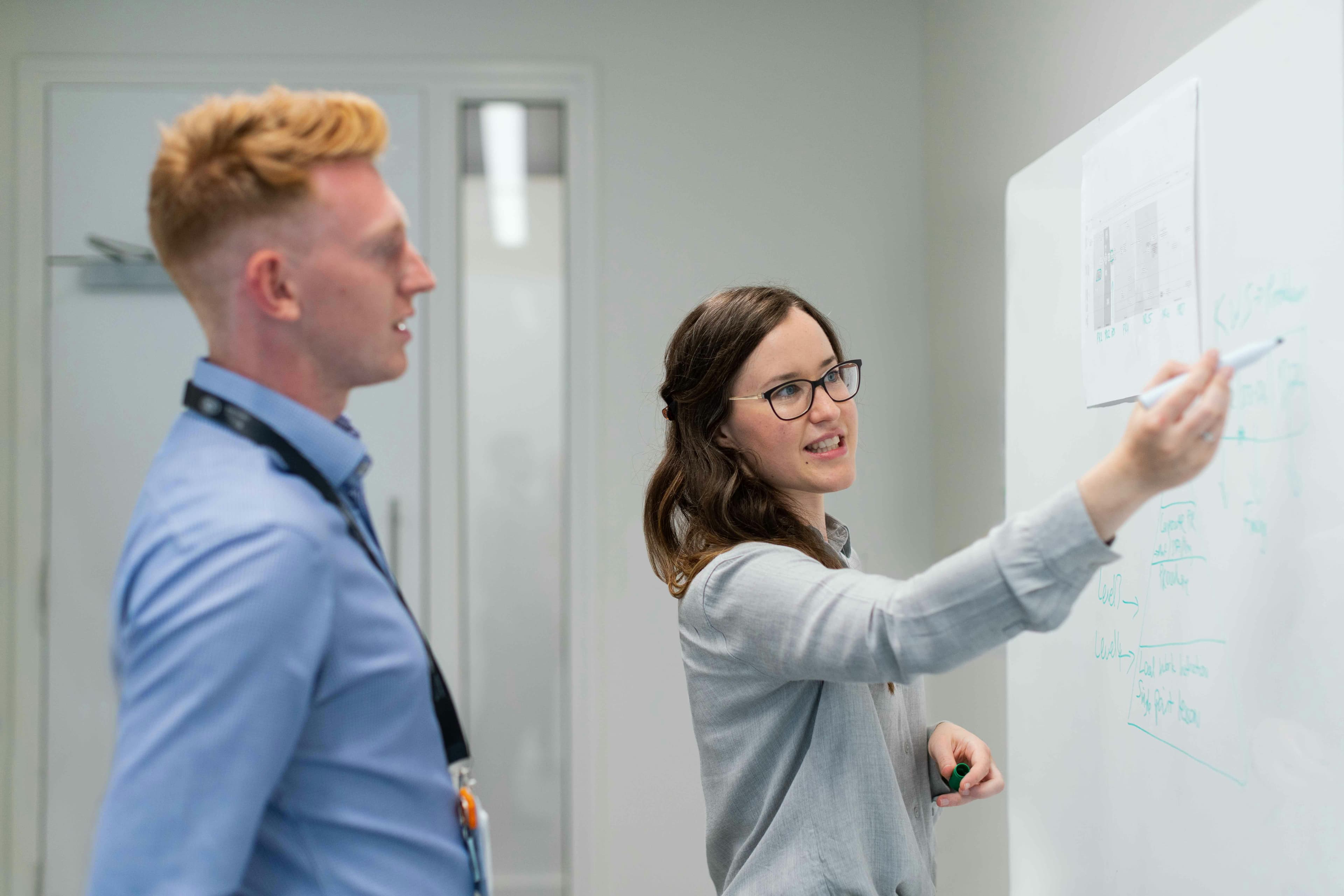
As schools across the country look for ways to boost academic outcomes while also addressing the needs of diverse classrooms, one approach continues to stand out for its impact, flexibility, and equity: co-teaching.
When done well, co-teaching isn't just two adults in a classroom. It's a dynamic instructional partnership where both educators bring unique expertise to the table, plan together, teach together, and support all students. Whether pairing a general education teacher with a teacher of Multilingual Learners, a special education teacher, or both, co-teaching allows for inclusive, differentiated instruction without compromising rigor.
But effective co-teaching doesn’t happen by accident. It requires shared planning, clear roles, and intentional models of delivery. When implemented thoughtfully, co-teaching strengthens access, boosts engagement, and builds a school culture where every learner is truly seen.
Why Co-Teaching Works
In a traditional classroom, a single teacher is expected to deliver content, differentiate for various learning needs, manage behavior, and assess understanding all at once.
Co-teaching brings together educators with complementary strengths in general education, language, and special education, so that all students receive instruction that is both rigorous and accessible. When teachers share common goals and build trust and strong communication, their collaboration can drive deeper student engagement and higher learning gains.
Rather than isolating support for language learners or students with disabilities, co‑teaching embeds scaffolds, accommodations, and interventions seamlessly into core lessons so that no child is left on the sidelines.
Types of Co-Teaching
There’s no one-size-fits-all approach to co-teaching. Depending on student needs, instructional goals, and teacher strengths, teams can use a variety of models. Here are a few that have proven especially effective:
Team Teaching
Both teachers share equal responsibility for planning and delivery. They take turns leading discussions, modeling strategies, or guiding close reading and writing tasks. This approach is dynamic and student-centered, and it models collaboration in real time.
Station Teaching
Students rotate through small, teacher-led groups, with each teacher responsible for facilitating a station focused on a specific skill or concept. This model allows for more personalized, hands-on learning and gives students the opportunity to engage with content in multiple ways.
Parallel Teaching
The class is split, with each teacher delivering the same content to a smaller group. This format can increase participation and allow for more differentiated and scaffolded supports.
Alternative Teaching
One teacher works with the larger group while the co-teacher pulls a smaller group for intervention, previewing, or reteaching. This is especially helpful before assessments or during writing instruction when specific feedback is needed.
One Teach, One Support
One teacher leads instruction while the other supports individual students through prompting, note taking assistance, or behavior monitoring. While useful at times, this model should not be the default as true co-teaching means shared leadership.
What Schools Need
For co-teaching to succeed, schools must treat it as more than a scheduling solution. It’s a commitment to equity and it needs structural support.
Co-planning time must be built into the weekly schedule. Role clarity and trust are essential. Both teachers must feel empowered to lead, assess, and adjust instruction. Ongoing professional development and training in co-teaching models, Universal Design for Learning (UDL), and culturally responsive teaching helps ensure alignment across teams.
Most importantly, co-teaching should be student-centered, not adult-centered. The model teachers choose should depend on what students need, not on convenience or tradition.
Co-Teaching as a Mindset
Co-teaching is about more than logistics. At its heart, it reflects a belief that all students can learn deeply when instruction is inclusive, intentional, and collaborative. Whether you’re supporting students learning English, navigating an IEP, or just in need of an extra layer of scaffolding, co-teaching offers a powerful path forward. It breaks down silos between educators, builds trust across roles, and creates classrooms where every student has access to rigorous content and is held to high expectations with the support to meet them.
In literacy and in education overall collaboration isn’t a nice-to-have. It’s a necessity.
A Model for Equity
At its best, co-teaching isn’t just an instructional strategy, it’s a statement of values. It says: we believe every student deserves access to rigorous content, expert instruction, and responsive support at the same time, in the same space.
When language specialists, SPED teachers, and content-area educators work together toward a shared vision, students don’t have to choose between language development, individualized support, or access to rigorous content. They get all three, in an inclusive and cohesive learning environment.
In a time when literacy is foundational to every student’s future, that’s the kind of teaching and teamwork we need more of.




Join the discussion
Members can read and add comments on every article.