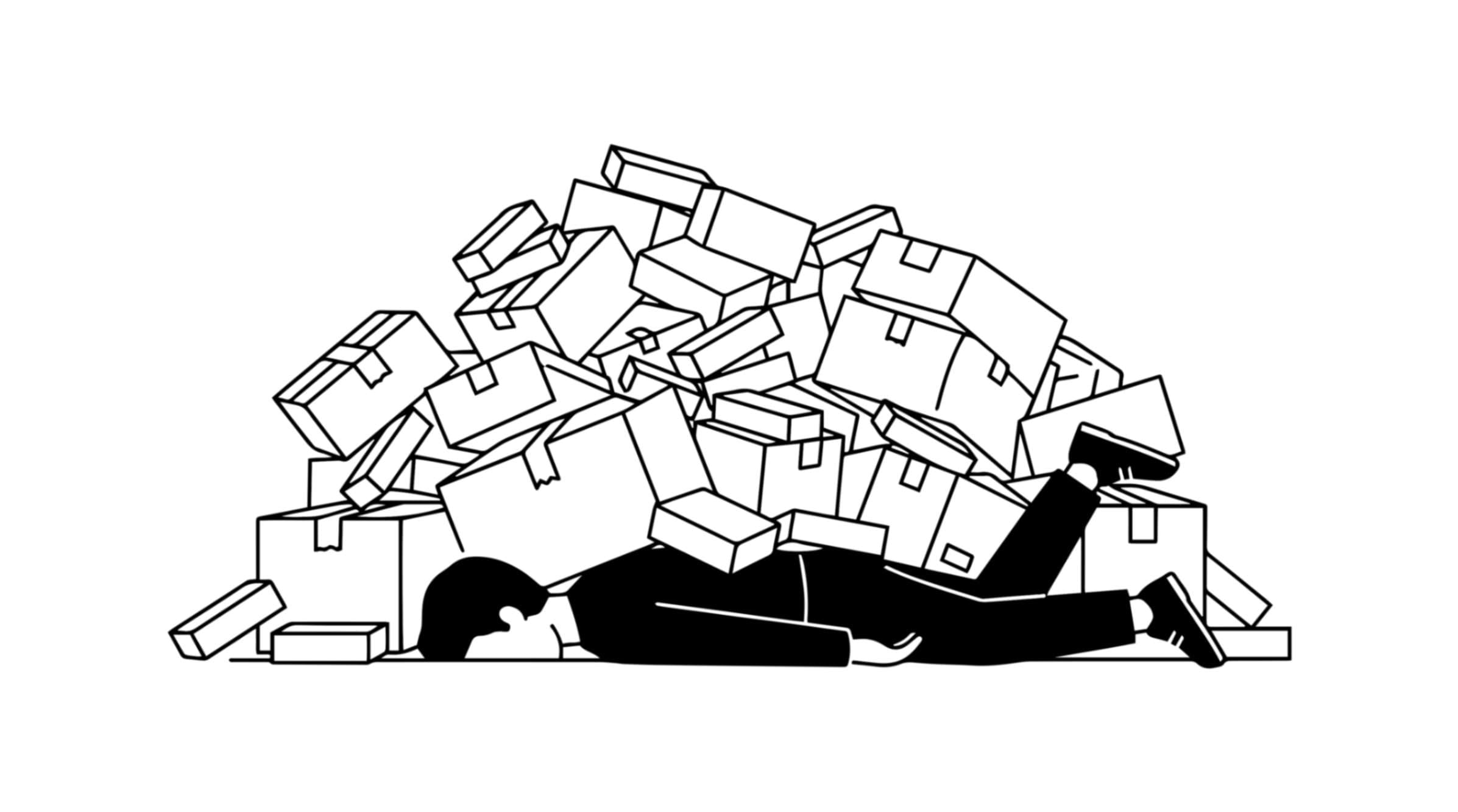
From Me to We: Embedding Individual Balance in Team Culture
A sustainable approach to work-life balance cannot reside solely within the individual. It must be integrated into the team’s operating model. Teams that build shared norms around time management, communication, and peer accountability are more resilient during periods of high demand. For example, establishing "quiet hours" where meetings are discouraged or setting expectations around email responses outside working hours can dramatically reduce stress and increase focus. These norms help create a psychologically safe environment where employees feel supported in managing their energy and time.
Leaders play a central role in shaping these team dynamics. When managers initiate conversations about capacity, invite feedback on workload distribution, and actively model boundary-setting behaviors, they create a culture of trust. These practices not only reduce the risk of burnout but also encourage open dialogue about challenges before they escalate. According to the American Psychological Association, teams with high levels of trust and open communication are significantly more adaptable and better equipped to manage stress across long-term projects7.
Using Metrics to Support Sustainable Work Practices
Measurement plays a critical role in sustaining work-life balance over time. Without data, it is difficult to assess how organizational practices are impacting employee well-being. Human resources departments can leverage anonymous pulse surveys to track stress levels, workload satisfaction, and time-off usage. These indicators provide valuable insights into systemic pressures and help pinpoint where interventions are most needed. Importantly, this data must be acted upon, not just collected.
Performance metrics should also evolve to reflect sustainable practices. Rather than rewarding output quantity alone, organizations should highlight quality, collaboration, and innovation. The Government Finance Officers Association recommends incorporating well-being indicators into departmental scorecards to ensure that operational excellence includes a human sustainability component8. When well-being is treated as a key performance metric, it sends a clear message that balance is not a personal luxury but an institutional priority.
Training Staff on Resilience and Time Management
Professional development is another avenue for embedding work-life balance into everyday operations. Workshops on stress management, time prioritization, and emotional regulation equip staff to navigate the demands of service-based work more effectively. Training should be practical, scenario-based, and tailored to the realities of government operations. For example, frontline staff may benefit from strategies to manage unpredictable workloads, while supervisors may need tools to anticipate and redistribute work during peak service periods.
Embedding such training into onboarding and annual development plans ensures that new and seasoned employees alike are equipped to maintain balance. The International Public Management Association for Human Resources encourages agencies to offer tiered wellness programming that meets staff where they are, from basic self-care practices to advanced resilience coaching9. Offering these resources proactively, rather than reactively, builds a workforce that is prepared to sustain performance across the long arc of public service careers.
Balancing Urgency with Sustainability
One of the greatest challenges in service-oriented work is managing the tension between urgency and sustainability. Crises, policy shifts, and community needs often require rapid response. However, constantly operating in crisis mode erodes long-term capacity. Leaders must intentionally shift from reactive to strategic modes of work, building in time for planning, reflection, and recalibration. This shift allows teams to respond effectively without sacrificing their health or morale.
Creating contingency plans, cross-training staff, and maintaining up-to-date procedures are practical ways to reduce the need for all-hands-on-deck responses. When employees know that systems are in place to manage emergencies, they are less likely to feel personally responsible for solving every issue in real time. The Federal Emergency Management Agency’s workforce resilience framework emphasizes the value of preparedness in reducing psychological strain and improving response effectiveness during high-pressure periods10.
Aligning Job Design with Human Capacity
At the core of sustainable work-life balance lies the design of the job itself. Roles that are overloaded, ambiguously defined, or lacking autonomy are inherently difficult to balance, regardless of individual effort. Job redesign initiatives should focus on clarifying responsibilities, eliminating unnecessary tasks, and increasing employee control over how they complete their work. These improvements not only support well-being but also enhance efficiency and accountability.
Municipal departments can conduct role audits to identify redundancies and misalignments between job descriptions and actual duties. Involving employees in this process increases buy-in and surfaces practical insights. According to research published in the Journal of Public Administration Research and Theory, participatory job redesign leads to higher job satisfaction and organizational commitment among government employees11. This process ensures that balance is not treated as an afterthought but as a structural feature of effective job design.
Normalizing Conversations About Balance
Finally, organizations must normalize discussions about work-life balance as part of everyday dialogue. Silence around stress and burnout perpetuates stigma and discourages employees from seeking help. Regular check-ins, team meetings, and performance reviews should include space for employees to share how they are managing their workload. Supervisors can open these conversations with nonjudgmental questions like, "What’s one thing we could adjust to support your capacity this month?"
Creating this open culture requires consistency and trust. Leaders should share their own strategies for maintaining balance and acknowledge when adjustments are needed. The National League of Cities recommends that departments include well-being topics in staff meetings and recognize employees who model healthy work habits12. By making these conversations routine, organizations reduce the stigma and build a collective commitment to sustainable service.
Bibliography
Perlow, Leslie A., and Jessica L. Porter. 2009. "Making Time Off Predictable - and Required." Harvard Business Review, October. https://hbr.org/2009/10/making-time-off-predictable-and-required.
National Institute for Occupational Safety and Health (NIOSH). 2015. "Stress at Work." Centers for Disease Control and Prevention. https://www.cdc.gov/niosh/topics/stress/.
Grant, Adam M., and Sharon K. Parker. 2009. "Redesigning Work Design Theories: The Rise of Relational and Proactive Perspectives." Academy of Management Annals 3 (1): 317-375.
Harter, Jim, and Amy Adkins. 2021. "Employee Burnout: The Biggest Myth." Gallup. https://www.gallup.com/workplace/351545/employee-burnout-biggest-myth.aspx.
Barsh, Joanna, and Susie Cranston. 2009. "How Remarkable Women Lead: The Breakthrough Model for Work and Life." Center for Creative Leadership. https://www.ccl.org/wp-content/uploads/2020/10/remarkable-women-lead.pdf.
International City/County Management Association (ICMA). 2022. "Workforce Well-Being in Local Government." https://icma.org/documents/workforce-well-being-local-government.
American Psychological Association. 2017. "Stress in America: Coping with Change." https://www.apa.org/news/press/releases/stress/2017/state-nation.pdf.
Government Finance Officers Association (GFOA). 2021. "Rethinking Employee Performance Metrics." https://www.gfoa.org/materials/rethinking-performance-metrics.
International Public Management Association for Human Resources (IPMA-HR). 2020. "Wellness in the Workplace: A Public Sector Perspective." https://www.ipma-hr.org/docs/default-source/research/wellness-in-the-workplace-report.pdf.
Federal Emergency Management Agency (FEMA). 2021. "Workforce Resilience: Strategies for Emergency Managers." https://www.fema.gov/sites/default/files/documents/fema_workforce-resilience-guide_2021.pdf.
Wright, Bradley E., and Sanjay K. Pandey. 2010. "Transformational Leadership in the Public Sector: Does Structure Matter?" Journal of Public Administration Research and Theory 20 (1): 75-89.
National League of Cities (NLC). 2022. "Building a Culture of Employee Well-being in Local Government." https://www.nlc.org/resource/building-a-culture-of-employee-well-being-in-local-government/.
More from Work Life Balance
Explore related articles on similar topics