From Bias to Belonging: Why Culturally Responsive Education Matters
As an NYC DOE educator dedicated to mentoring new teachers, guiding multilingual learners, and leading Respect for All in a Title-1 Brooklyn school, I believe culturally responsive-sustaining education is the beating heart of the work we do. Starting this journey is both an opportunity and responsibility, grounded in honoring the personal and cultural identities of each student and building interventions that truly support their strengths and needs.
What Does Culturally Responsive Interventions Mean?
Culturally responsive interventions validate students’ identities and experiences. This means:
Mirrors: Helping students see themselves reflected in curriculum, classroom life, and adult attitudes.
Windows: Offering ways for students to understand others, connect across cultures, and expand their perspective.
Effective interventions center families’ cultures, languages, histories, and strengths—making learning not just relevant, but deeply affirming.
Learning About Students’ Families, Languages, and Histories
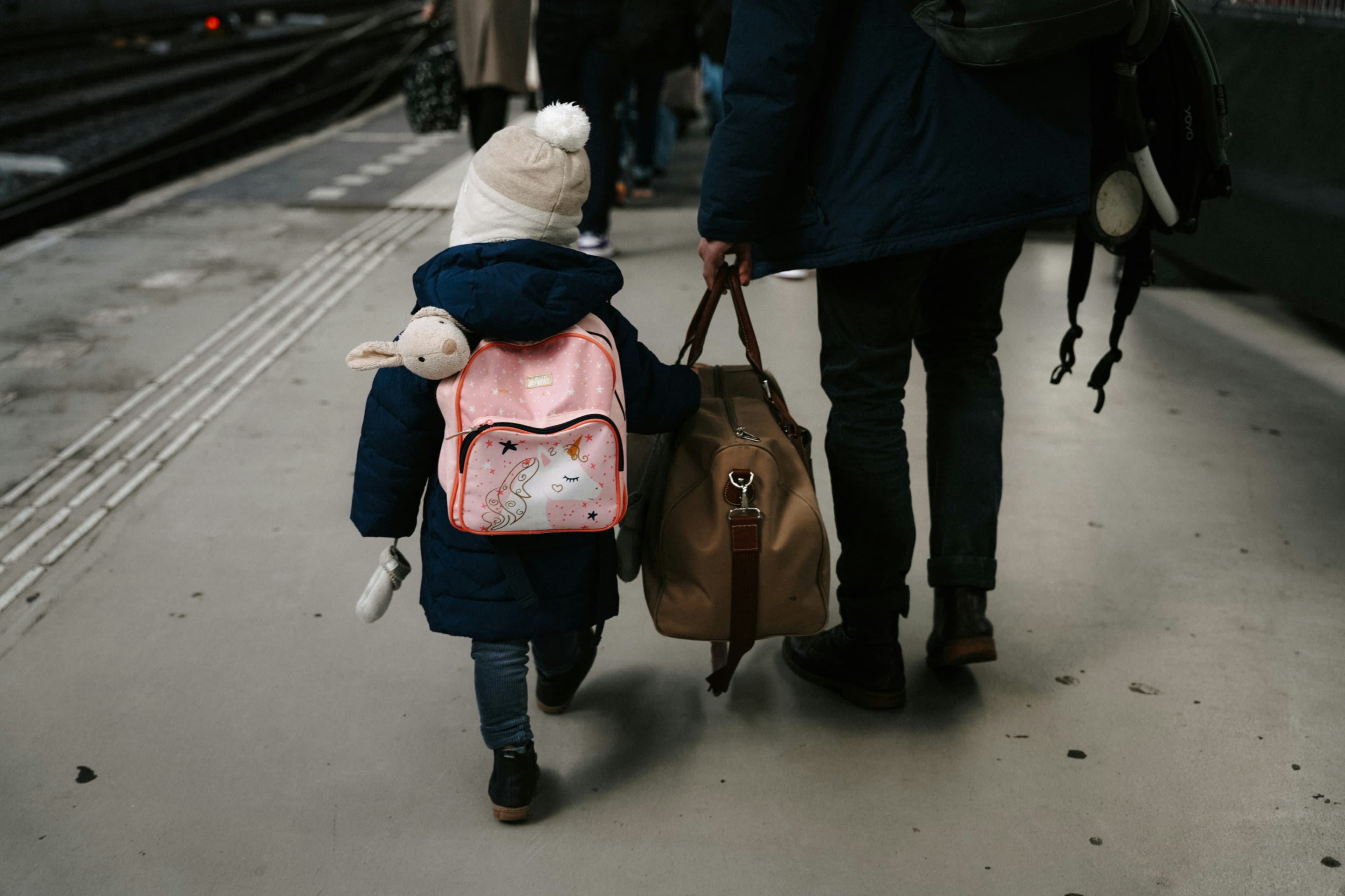
I vividly recall welcoming a small group of immigrant siblings whose parents did not speak English; they shared their story of moving abruptly and spending weeks in shelters before enrolling in our school. Our team spent time translating registration forms, connecting the family with local food and clothing pantries, and ensuring the students had contacts who spoke their home language. Over time, these students blossomed academically and socially, in part because they saw their traditions incorporated into classroom routines and celebrations—such as sharing their favorite stories and foods at school and family events.
One of the most powerful first steps is learning about the families in our school community. I do this in ways both big and small:
Hosting family nights where traditions and languages are celebrated.
Using welcoming rituals, like greetings in home languages, or sharing everyday stories, in order to build trust.
Asking about cultural practices and beliefs, with warm curiosity.
By actively listening, teachers can design interventions that reflect real family priorities, such as supporting bilingualism or adjusting goals to match cultural norms.
Reflecting on Our Own Biases
Culturally responsive work asks educators to examine and address private biases. Self-reflection is the first step. I practice this myself as well as encourage my colleagues to:
Use guided protocols and self-audit tools to examine beliefs and behaviors.
Seek critical feedback from peers and families.
Name and
Read-Only
$3.99/month
- ✓ Unlimited article access
- ✓ Profile setup & commenting
- ✓ Newsletter
Essential
$6.99/month
- ✓ All Read-Only features
- ✓ Connect with subscribers
- ✓ Private messaging
- ✓ Access to CityGov AI
- ✓ 5 submissions, 2 publications
Premium
$9.99/month
- ✓ All Essential features
- 3 publications
- ✓ Library function access
- ✓ Spotlight feature
- ✓ Expert verification
- ✓ Early access to new features
More from 3 Topics
Explore related articles on similar topics