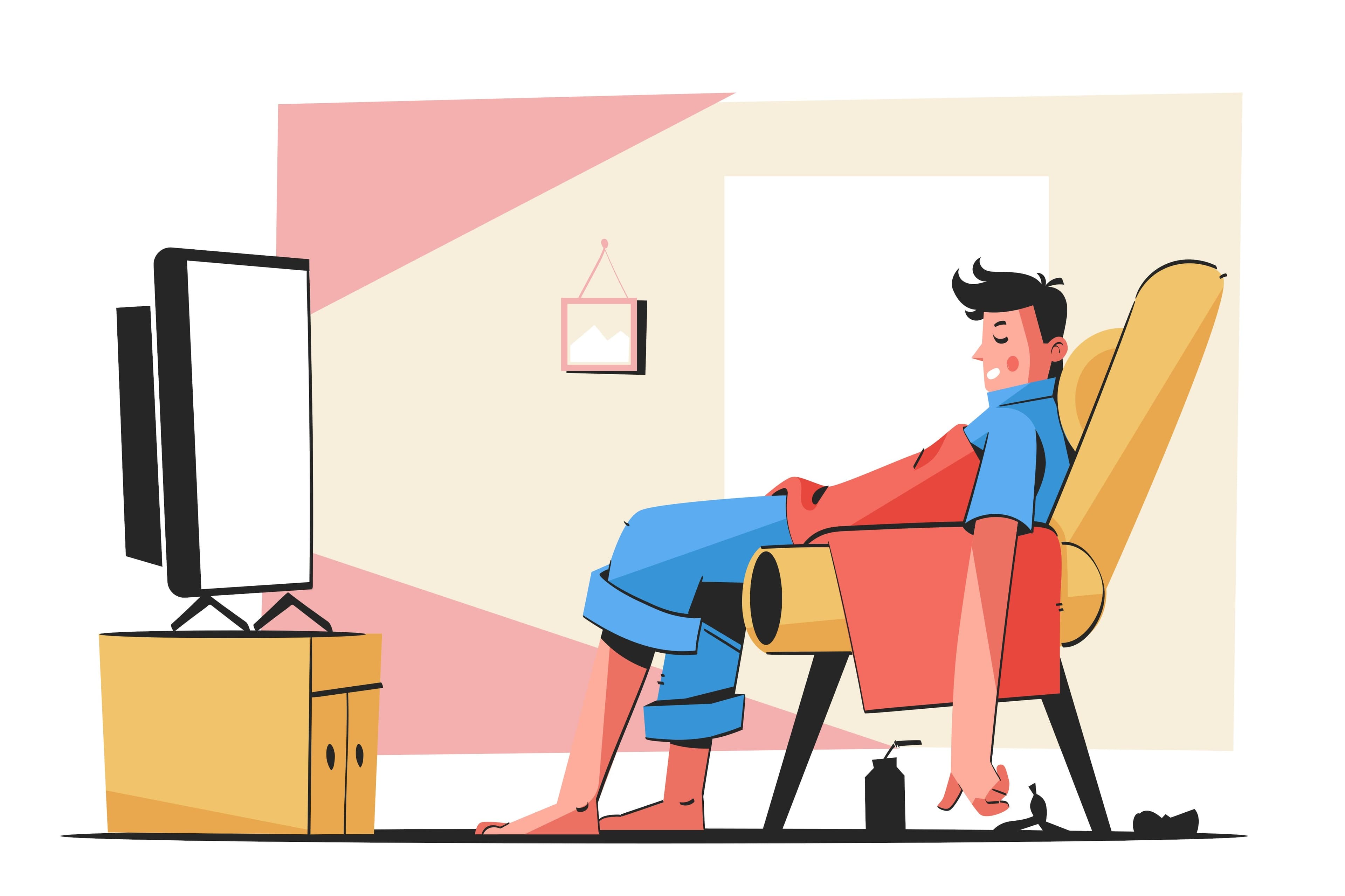
Everyone Talks About Hustle. Nobody Talks About Finishing.
Enthusiasm gets you started, but follow-through keeps you consistent. The world is full of people who begin strong: entrepreneurs with a great idea, leaders who deliver a powerful speech, teams that set ambitious quarterly goals. Yet far fewer finish what they start. The gap between intention and execution is not filled by motivation; it is filled by discipline, dependability, and ownership.
Enthusiasm is emotional energy. It sparks momentum but fades with friction. Follow-through, on the other hand, is a behavioral trait. It is what you do after the excitement wears off. It is showing up when no one is watching, when progress feels invisible, or when you are stretched to your limits. Consistency is not about intensity; it is about reliability over time.
Enthusiasm Is Cheap, Follow-Through Is Costly
Anyone can be enthusiastic in a kickoff meeting. It is easy to nod along to a new initiative, promise to deliver, or post a motivational quote. But consistency demands something tougher: follow-through when the excitement dies. That is the moment that defines whether you are merely interested or truly committed.
Think of enthusiasm as the down payment on a goal. Follow-through is the mortgage you pay monthly, on time, regardless of conditions. Real consistency is purchased through the quiet work that never trends on social media but becomes visible over time in your results and reputation.
Your follow-through is how people measure your dependability. Over time, your speed and consistency form your personal brand. In leadership, speed inspires confidence, and dependability creates trust. Together, they define whether people view you as an idea person or an execution person.
Speed Without Dependability Is Reckless
Speed is often celebrated in the modern workplace. Move fast, iterate quickly, fail forward. But real progress does not just come from moving quickly; it comes from moving reliably. Speed without dependability is chaos. Dependability without urgency, however, breeds stagnation. True professionals balance both: they act fast, and they follow through flawlessly.
The best leaders create urgency without panic. They make decisions decisively but hold their teams accountable for closing the loop, not just starting projects but finishing them. They understand that urgency is not about drama; it is about clarity. When urgency is paired with structure, people develop what psychologists call a “bias for action,” the instinct to move, decide, and take ownership instead of waiting.
The Bias for Action
In every high-performing organization, there is one common trait. People do not wait for perfect conditions. They act with incomplete information, make adjustments along the way, and accept that imperfection is part of momentum.
A bias for action means choosing progress over paralysis. It is the opposite of bureaucratic thinking. It is not impulsivity; it is intentional speed. It means saying, “Let’s move forward and refine as we go,” instead of, “Let’s wait until everything is certain.”
This mindset builds resilience and momentum. The team that ships small, frequent updates learns faster than the team that debates forever. The leader who follows through on small promises earns more trust than the one who only talks vision. Bias for action trains people to value doing over debating, to equate initiative with integrity.
Ownership: The Hidden Engine of Consistency
Consistency is not about compliance with tasks; it is about commitment to results-IMPACT. That is where ownership comes in. Ownership means taking responsibility for outcomes, not just assignments. It means saying, “I’ll handle this,” and then actually doing it, rather than delegating away accountability or hiding behind process.
In teams driven by ownership, everyone becomes a closer. There is no “that’s not my job.” Instead, there is a collective instinct to ensure completion. Ownership builds trust, and trust accelerates everything: decision-making, collaboration, and learning.
When ownership is missing, you see the opposite. Excuses, slow responses, and unfinished work become common. People rationalize delays and quietly erode the credibility of their commitments. The organization’s speed drops not because people lack talent, but because no one owns the finish line.
Ownership creates the conditions for dependable follow-through. And when follow-through is consistent, organizations become unstoppable.
How to Build a Culture of Follow-Through
Building consistency through follow-through is not about preaching discipline; it is about creating systems and habits that make it easier to deliver. Here are five ways to embed it in your culture:
Simplify commitments. Complex goals die in ambiguity. Be specific about what “done” looks like and who owns it. Clarity builds momentum.
Shorten feedback loops. Move from annual reviews to weekly debriefs. The faster you evaluate progress, the faster you can adjust and execute.
Publicize outcomes, not activity. Reward completion, not busyness. Recognize the closer, the person who makes sure the job is done.
Model consistency as a leader. When you respond quickly, deliver on time, or admit and fix your misses, you teach your team what follow-through looks like.
Create visible accountability. Post progress where everyone can see it. What is measured publicly gets managed promptly.
Cultures that prize follow-through over enthusiasm naturally move faster and perform better. Every individual knows their word matters, and every commitment has a closer.
Speed and Dependability as a Competitive Edge
In times of uncertainty, organizations crave predictability. Customers, partners, and colleagues all want the same thing: someone who does what they say they will and does it quickly. That combination of speed and dependability is rare, which is precisely why it stands out.
If you can become known for follow-through, you become indispensable. Your reliability becomes your differentiator. In an age where enthusiasm fuels short bursts of momentum, being the person who finishes what they start is a superpower.
The Quiet Discipline That Builds Momentum
Consistency is not glamorous. It is not fueled by adrenaline or applause. It is built quietly through daily decisions, timely responses, and completed commitments. It is built in early mornings, final revisions, returned emails, and on-time deliverables.
Follow-through is how you turn goals into habits and habits into results. It transforms excitement into execution. When people know they can count on you, not for energy but for results, your influence multiplies.
The leaders who achieve greatness are not the ones who start with the loudest enthusiasm; they are the ones who finish with the strongest dependability. Enthusiasm may open the door, but follow-through keeps it open.
Because at the end of the day, consistency is not built on how passionately you begin. It is built on how relentlessly you follow through.
More from 2 Topics
Explore related articles on similar topics