Ethics, Community Relations, and the Trust That Makes It All Work
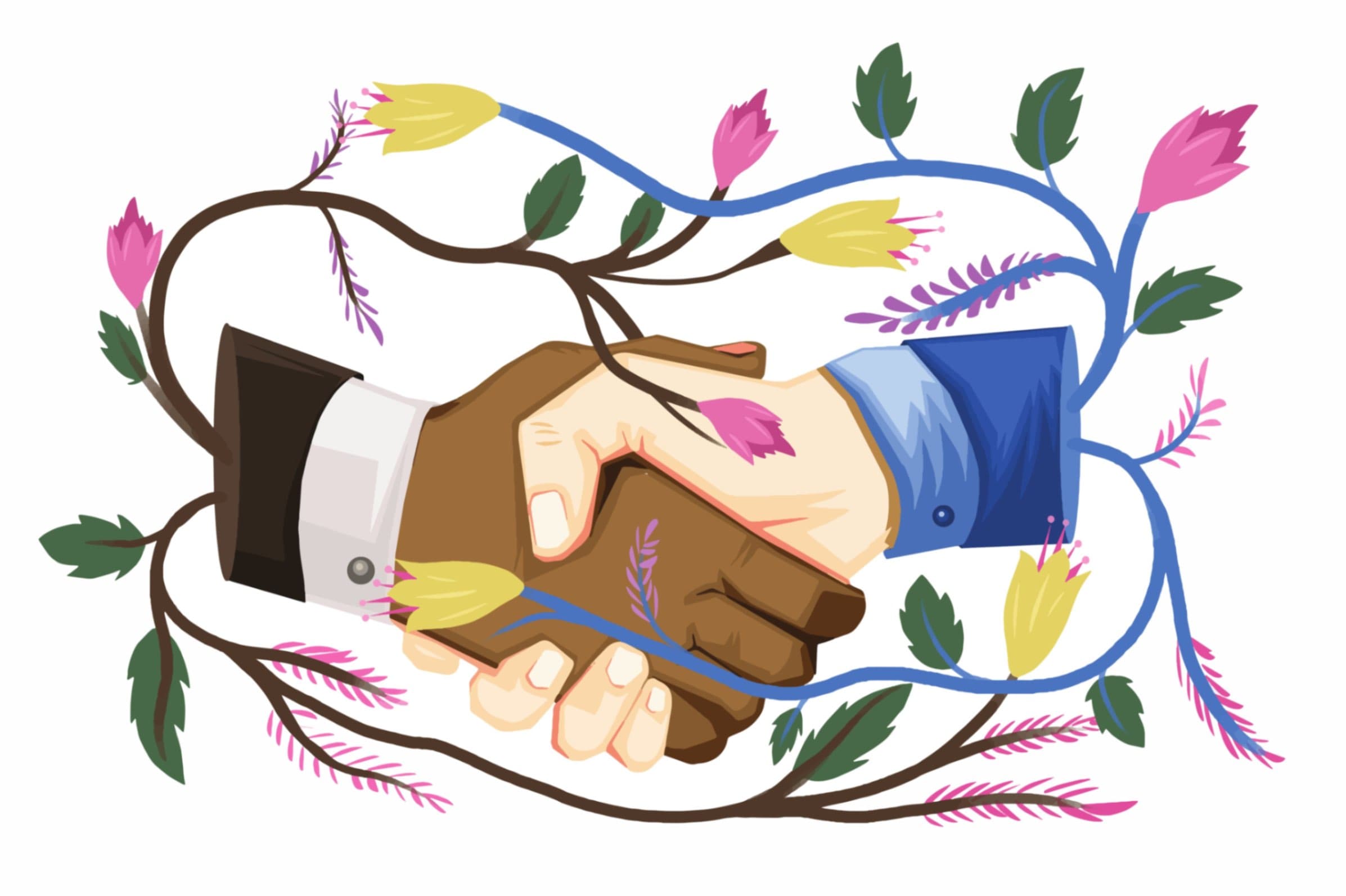
There is a version of community relations that looks good on paper - a few outreach events a year, a social media post after a successful program, a photo with local kids at a summer block party. And while none of that is bad, none of it is enough either. Real community relations in law enforcement are built on something deeper than optics. It is built on ethics. And ethics, in this context, means doing the right thing consistently - whether anyone is watching or not.
For municipal police departments, the relationship with the community is everything. It determines how well officers can do their jobs, how quickly the public reports crime, and whether residents see the department as a partner or an adversary. That relationship does not maintain itself. It has to be cultivated, protected, and led from the top with integrity.
Ethics Is What People Actually Feel
Community members may not use the word ethics when they talk about their local police department, but they are talking about it constantly. They talk about it when they describe whether officers treat them with respect. They talk about it when they share whether a complaint was taken seriously. They talk about it when they tell their neighbors whether they feel comfortable calling for help.
What people feel in their interactions with law enforcement is a direct reflection of the ethical culture inside the department. Officers who are trained well, led well, and held to a consistent standard treat people differently than those who are not. The community feels that difference, even when they cannot name it.
This is why ethical leadership is not just an internal matter. It shows up on every call, every traffic stop, and every conversation an officer has with a resident. The department's values are on display every time an officer steps out of a patrol car.
Fairness Is Non-Negotiable
If there is one thing that erodes community trust faster than almost anything else, it is the perception - or the reality - that a department does not treat everyone fairly.
Consistency matters enormously in community relations. When residents believe that who they are, where they live, or what they look like affects how they are treated by law enforcement, the damage to the relationship is significant and slow to heal. Ethical leadership addresses this directly, not by pretending the concern does not exist, but by building policies and accountability structures that make fair treatment the standard - and enforcing that standard without exception.
Departments that take fairness seriously do more than train on it. They measure it. They look at their own data, listen to community feedback, and are willing to make adjustments when the numbers or the voices tell them something needs to change. That kind of honest self-assessment is not weakness. It is exactly the kind of ethical leadership that communities respect.
Engagement Has to Be Genuine
Community engagement works when it is genuine and falls flat when it is not. People can tell the difference between a department that shows up because it wants to build a real relationship and one that shows up because it needs a headline.
Genuine engagement means being present in the community before a crisis - not just after one. It means attending neighborhood meetings, listening more than speaking, and following up when residents raise concerns. It means assigning officers to areas long enough to actually know the people who live there, rather than rotating them so frequently that no one ever builds a real connection.
It also means being honest about limitations. Departments that overpromise and underdeliver do more damage to community relations than departments that are straightforward about what they can and cannot do. A chief who tells a neighborhood the truth - even when the truth is that resources are stretched thin - earns more credibility than one who makes promises the department cannot keep.
When Things Go Wrong
No department is perfect. Officers make mistakes. Situations unfold in ways that no one anticipated. Complaints come in, and sometimes they are valid ones.
How a department handles those moments says more about its ethical culture than almost anything else. Departments that investigate complaints thoroughly, communicate openly with the public about outcomes, and take corrective action when it is warranted are the ones that come through difficult situations with their community relationships intact.
Departments that circle the wagons, minimize valid concerns, or allow the same problems to repeat without consequence send a clear message - and communities remember it.
Ethical leadership means being willing to say, when it is true, that something went wrong and that steps are being taken to make it right. That kind of accountability is not easy. But it is the price of genuine trust, and it is worth paying.
The Long Game
Building a strong relationship between a municipal police department and the community it serves is a long game. It does not happen after one event or one initiative. It is built conversation by conversation, call by call, and decision by decision over time.
Ethical leadership understands that and commits to it anyway. It does the work quietly and consistently, knowing that trust is not given - it is earned. And once earned, it has to be protected with the same integrity that built it in the first place.
That is what community relations looks like when it is done right. And it starts with leadership willing to lead that way every single day.
Bibliography
Goldsmith, A. (2005). Police Reform and the Problem of Trust. Theoretical Criminology, 9(4), 443-470.
Tyler, T. R., & Huo, Y. J. (2002). Trust in the Law: Encouraging Public Cooperation with the Police and Courts. Russell Sage Foundation.
Kappeler, V. E., & Gaines, L. K. (2015). Community Policing: A Contemporary Perspective. Routledge.