Enlightened Pathways: How Brain Science Guides Mindfulness Practice
The Missing Link: How Brain Science Elevated Our Mindfulness Initiative
Every transformation in our school’s Mindfulness initiative has been born from a moment of resonance—something that aligned deeply with our values, our mission, and most importantly, the needs of our students. Our first step was simply introducing stillness. Breath. Reflection. Then came movement and language. And just when I thought we had constructed a beautifully cohesive model of whole-child learning, life offered another moment of serendipity.
It began with a simple conversation—a chance encounter with a woman whose warmth and wisdom struck me. As we exchanged thoughts on education and the emotional lives of children, she paused and asked if she could share my number with a friend. “She’s created something that sounds like what you’ve been building,” she said.
I agreed with curiosity and gratitude.
A few days later, my phone rang. On the other end was none other than Goldie Hawn. Yes—the Goldie Hawn.
But it wasn’t her celebrity that caught my attention—it was her humanity. Goldie spoke with unmistakable passion about the work she’s poured her heart into for nearly two decades: MindUP, the evidence-based program she founded to equip children with self-regulation skills, emotional understanding, and resilience by teaching them about how their brains work[1].
As she described the program’s foundation in neuroscience and its emphasis on developing emotional intelligence and mental fitness through brain-based practices, something clicked. This wasn’t just another mindfulness curriculum. This was the missing piece.
Up to that point, our initiative had evolved beautifully. We began with mindfulness practices—breathing, grounding, and classroom rituals. Then, with our partnership with Rupa Mehta and NaliniKIDS, we moved to mindfulness in motion, integrating language development and vocabulary into physical SEL experiences[2]. I even coined a phrase for it: we were “academifying SEL.” We had figured out how to marry mindful movement with instructional rigor, aligning it seamlessly with the Creative Curriculum, and in doing so, made SEL not just a priority, but an embedded part of our instructional design[3].
Still, one key component remained underdeveloped—brain science. We had taught students how to regulate their emotions and express their feelings, but we hadn’t yet fully explained the “why” behind those feelings. We hadn’t empowered them with a scientific understanding of the brain-body connection.
This is where MindUP shined.
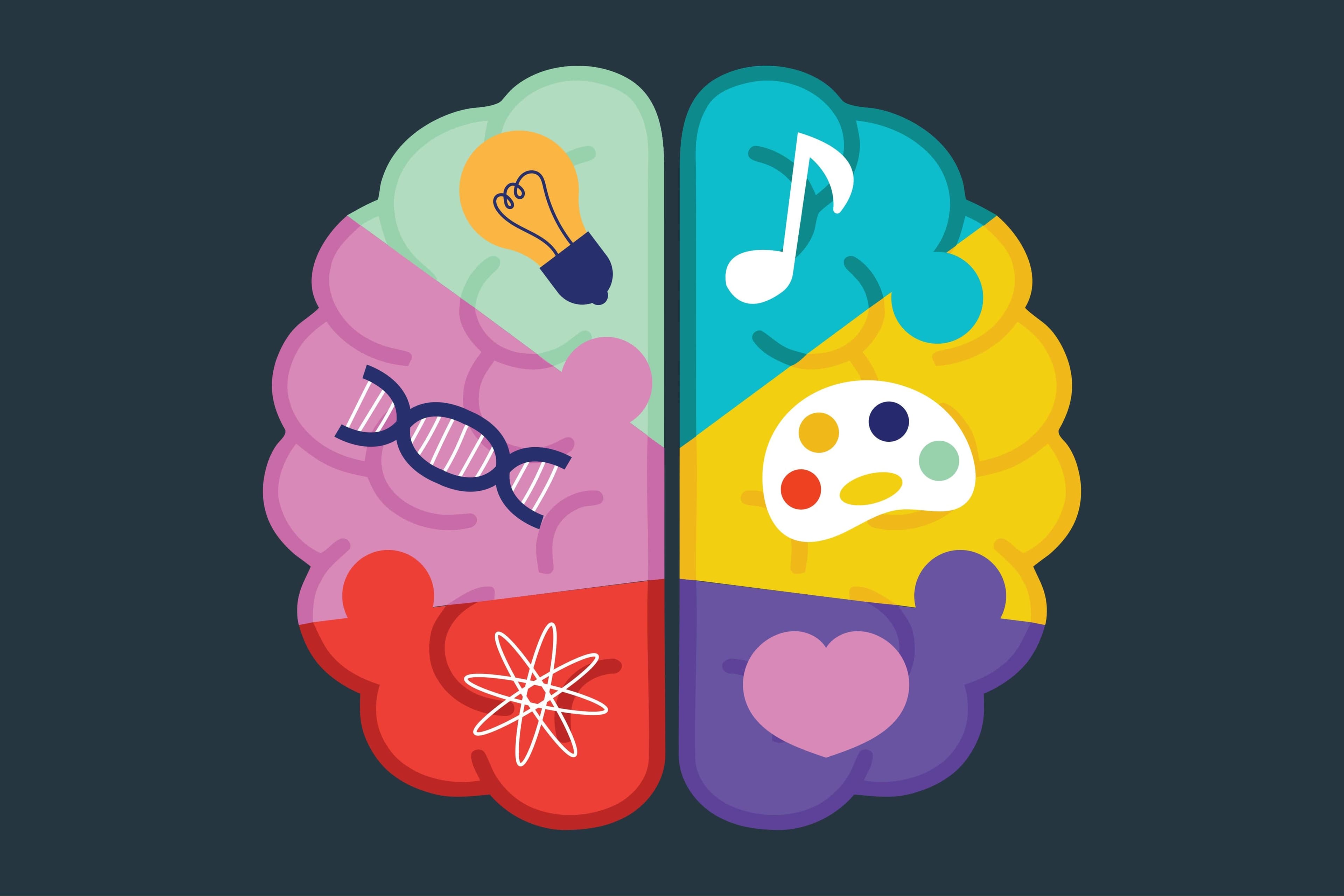
MindUP introduces children to core concepts in neuroscience—teaching them about the prefrontal cortex (the decision-maker), the amygdala (the emotion processor), and the hippocampus (the memory keeper)[4]. By understanding the brain’s role in how they think, feel, and respond, students develop metacognition—the ability to recognize and manage their reactions, impulses, and emotions with both intention and self-awareness[5].
As I listened to Goldie describe the program’s structure—lessons on gratitude, optimism, mindful breathing, and brain anatomy—I didn’t just see alignment. I saw elevation. MindUP completes the instructional arc we’ve been building. It brings cognitive science into the emotional domain and frames self-regulation not just as a behavioral goal, but a neurological skill that can be learned and mastered[6].
The timing couldn’t have been more perfect.
I immediately sent one of our most experienced and forward-thinking teachers to a MindUP training session. She returned energized and affirmed, echoing my initial reaction: “This is exactly what we need. It connects everything we’ve already done and brings it to a new level.”
This upcoming school year, we will formally embed MindUP into our schoolwide Mindfulness model. Our vision is to scaffold its concepts into existing routines—integrating brain-based vocabulary into morning meetings, small group discussions, and social problem-solving moments. We’ll train teachers not just on the content, but on how to connect it to what they already do, from literacy instruction to conflict resolution to behavior support plans[7].
Because this is what great instruction is: interdisciplinary, intentional, and centered on the whole child. And when we layer emotional intelligence with academic language, and cognitive science with classroom rituals, we don’t just support student development—we amplify it.
Looking back, our path has been remarkably organic:
First came mindfulness practices (inner stillness).
Then movement and vocabulary (mindfulness in motion).
Then came academic integration (academifying SEL).
Now we arrive at the final layer: neuroscience-informed instruction (mindfulness with understanding).
MindUP isn’t an addition—it’s a deepening. It brings clarity, science, and empowerment into the conversation. And it aligns with everything I believe as an educator: when students understand themselves—emotionally, physically, and neurologically—they thrive.
This journey continues to teach me that the universe conspires in favor of students when we lead with curiosity, openness, and heart. I’m grateful for that chance encounter, for the phone call I never expected, and most of all, for the opportunity to bring this life-changing work to our children.
Because when you complete the circle of understanding—body, heart, and brain—you don’t just change a school.
You change lives.
[1] Hawn Foundation. "MindUP Curriculum." Hawn Foundation, 2010.
[2] Mehta, R., & Nalini Method. "NaliniKIDS: Emotional and Physical Fitness for Kids." Nalini Method, 2012.
[3] Teaching Strategies, LLC. "The Creative Curriculum® for Preschool." Teaching Strategies, LLC, 2016.
[4] Siegel, D. J., & Bryson, T. P. "The Whole-Brain Child: 12 Revolutionary Strategies to Nurture Your Child's Developing Mind." Delacorte Press, 2011.
[5] Zelazo, P. D., & Lyons, K. E. "The Potential Benefits of Mindfulness Training in Early Childhood: A Developmental Social Cognitive Neuroscience Perspective." Child Development Perspectives 6, no. 2 (2012): 154-160.
[6] Schonert-Reichl, K. A., & Lawlor, M. S. "The Effects of a Mindfulness-Based Education Program on Pre- and Early Adolescents’ Well-Being and Social and Emotional Competence." Mindfulness 1, no. 3 (2010): 137-151.
[7] Roeser, R. W., Skinner, E., Beers, J., & Jennings, P. A. "Mindfulness Training and Teachers' Professional Development: An Emerging Area of Research and Practice." Child Development Perspectives 6, no. 2 (2012): 167-173.