City Messaging That Works: How to Reach Residents Across Every Channel
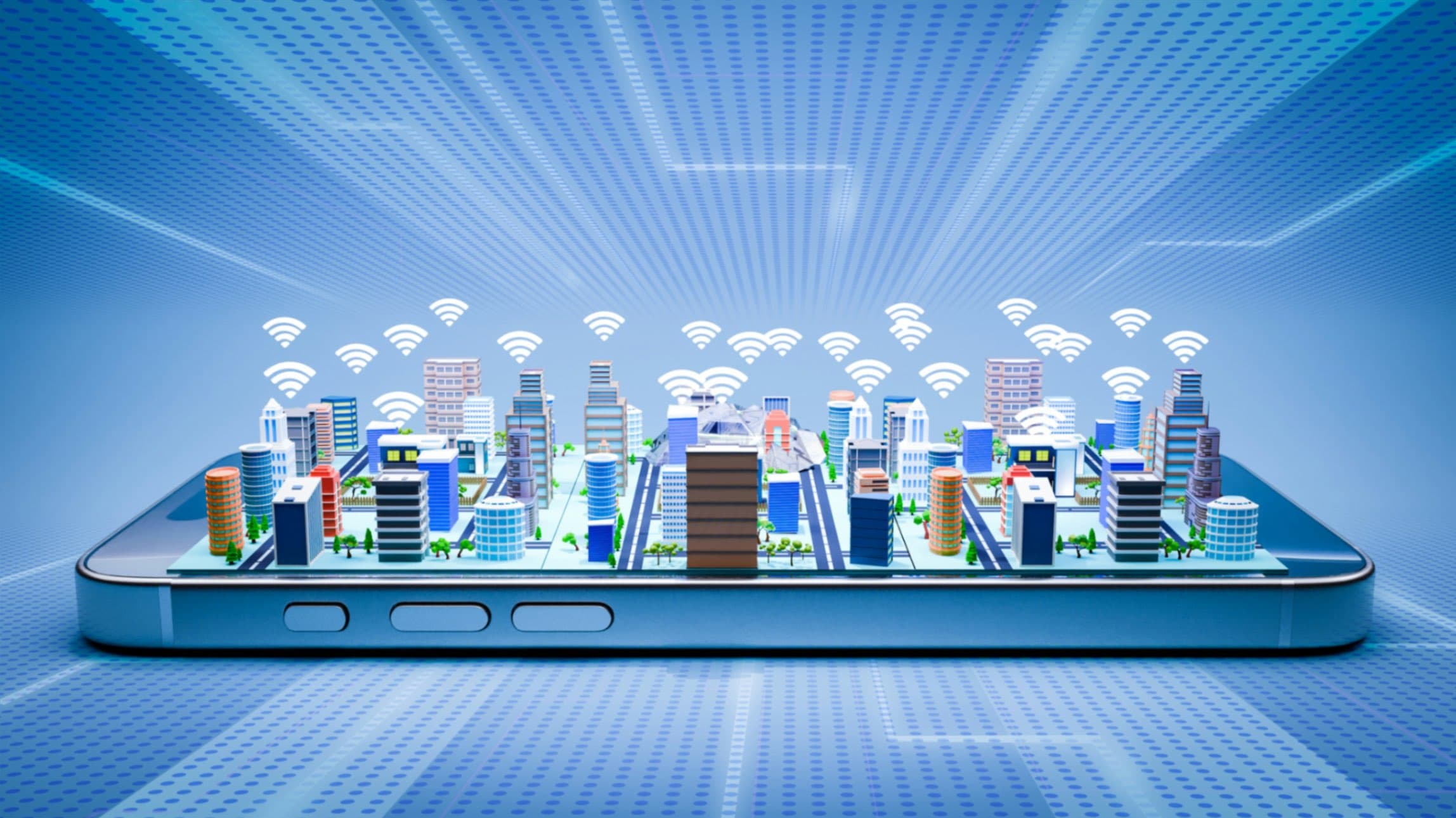
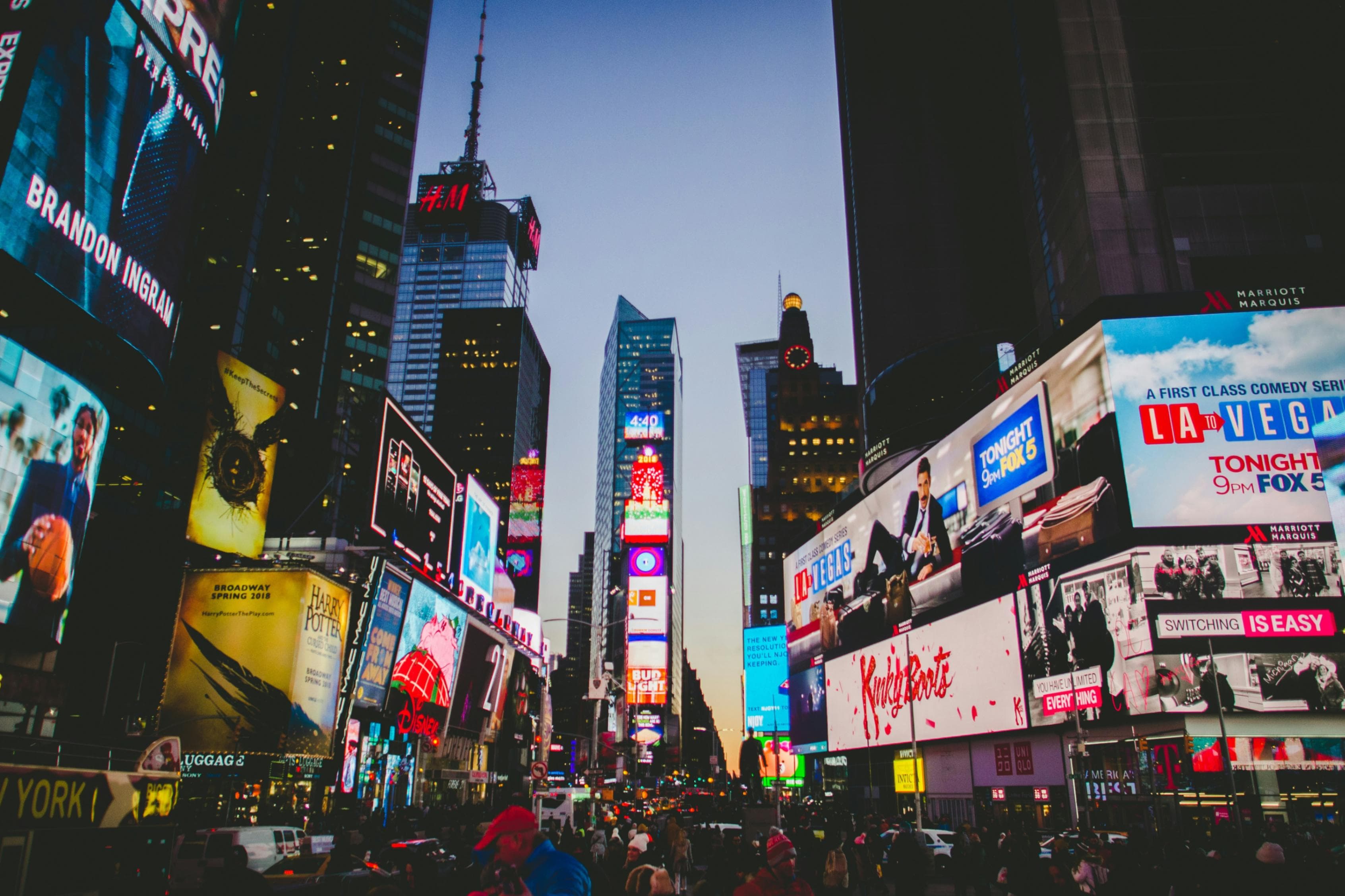
Effectively reaching residents means using the right message on the right platform. City governments today have more tools than ever- social media, newsletters, local news, and in-person events- but knowing how to combine them makes all the difference.
Choosing the Right Channel
Social Media: Perfect for real-time updates, emergency alerts, and engagement. Platforms like Instagram, X, and Facebook allow residents to respond, share, and stay informed immediately.
Newsletters: Digital or print newsletters let cities provide deeper context, summarize complex policies, share about upcoming events and initiatives, and highlight accomplishments. They also reach audiences less active on social media, especially older residents.
Local News Outlets: Working with reporters and editors ensures important messages reach residents through trusted media. Press briefings and pre-packaged media kits help journalists report accurately.
Community Events: Town halls, neighborhood meetings, and public workshops provide face-to-face opportunities for residents to ask questions, voice concerns, and feel heard.
Crafting Transparent and Engaging Messages
Clarity and honesty are key. Avoid jargon and bureaucratic language- residents want to know:
What is happening?
Why is it important?
How does it affect me?
Adding real-world examples, testimonials, or images of community members in action makes messages relatable. For tough topics, transparency builds trust. Sharing data, decision-making processes, and anticipated outcomes shows residents that the city is accountable.
Example: Denver’s Vision Zero initiative used interactive maps and detailed crash data to communicate goals and progress clearly, inviting residents to engage with the program.
Tailoring Messages to Diverse Audiences
Cities are diverse, and one-size-fits-all messaging rarely works.
Younger residents may prefer Instagram Stories or TikTok videos.
Families might engage more with school newsletters or community center postings.
Immigrant communities often need translated materials or culturally relevant messaging.
Segmenting by neighborhood, income level, or interest area improves targeting. GIS mapping and survey data help identify gaps. For example, if newsletter engagement is low in a certain area, consider door hangers, local canvassing, or partnerships with community organizations.
Using Data and Feedback
Data and feedback are essential for refining communication:
Track email open rates, social media engagement, and event attendance.
Gather resident input through surveys, focus groups, or comment forms.
Example: Chicago’s 311 modernization included community input to improve usability and ensure the platform met resident needs.
Building Trust Through Consistency
Consistency and timeliness reinforce trust.
Maintain a predictable schedule for newsletters, social media posts, and press releases.
During emergencies, frequent updates reduce misinformation.
Prepare templates and multilingual assets for rapid deployment.
Best Practices for Engagement
Train staff across departments on messaging best practices.
Incorporate storytelling to highlight resident experiences.
Partner with community organizations, faith-based institutions, and ethnic media outlets to amplify messages.
Experiment with new tools like SMS alerts, interactive dashboards, or mobile apps to meet residents where they are.
My Perspective: Navigating City Messaging as a Young Professional
As a freelance professional working in and around an up-and-coming city, I see firsthand how effective communication shapes daily life. I rely on city newsletters to stay informed about local events, new programs, and services that directly affect my work and personal life. Social media updates keep me aware of traffic changes or pop-up community events, while in-person workshops give me a chance to connect with neighbors and city leaders.
From my perspective, strong city messaging isn’t just about broadcasting information- it’s about building relationships. Clear, timely communication empowers residents like me to engage more fully, support local initiatives, and participate in shaping the community. When cities combine technology, transparency, and community-focused outreach, they create an environment where residents feel informed, included, and invested.
Bibliography
City and County of Denver. “Denver Vision Zero Action Plan.” 2019. https://www.denvergov.org/media/gis/DataCatalog/vision-zero/vision-zero-action-plan.pdf.
City of Chicago. “311 Modernization Project.” Department of Innovation and Technology, 2020. https://www.chicago.gov/city/en/depts/doit/provdrs/311.html.
More from Media and Messaging
Explore related articles on similar topics