Before You Roll Your Eyes at Baby Shark, Read This
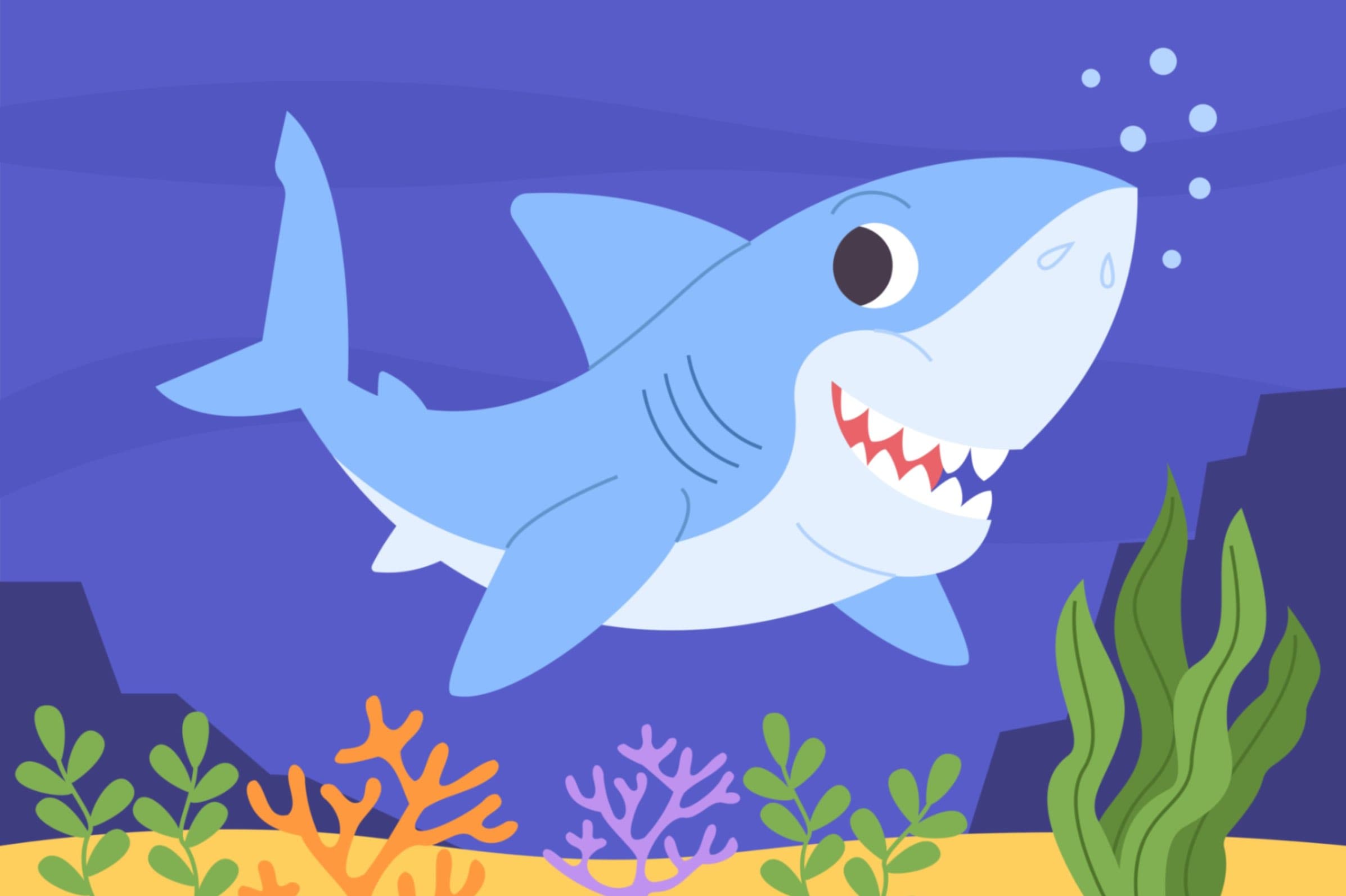
Confession: if I hear Baby Shark one more time, there's a good chance I'll start singing it before I even realize it. It's the soundtrack of preschool classrooms everywhere. Adults roll their eyes and wonder why children insist on hearing it for the hundredth time before 9:00 a.m. But here's the thing- we're judging Baby Shark through an adult brain. Children aren't.
As an early childhood educator, I've learned that repetition isn't laziness; it's learning. Every time children sing Baby Shark, they're strengthening memory, practicing sequencing, developing language, and building phonological awareness—the ability to hear and recognize sounds in words, one of the strongest predictors of future reading success. What sounds repetitive to us is exactly what a young child's developing brain needs.
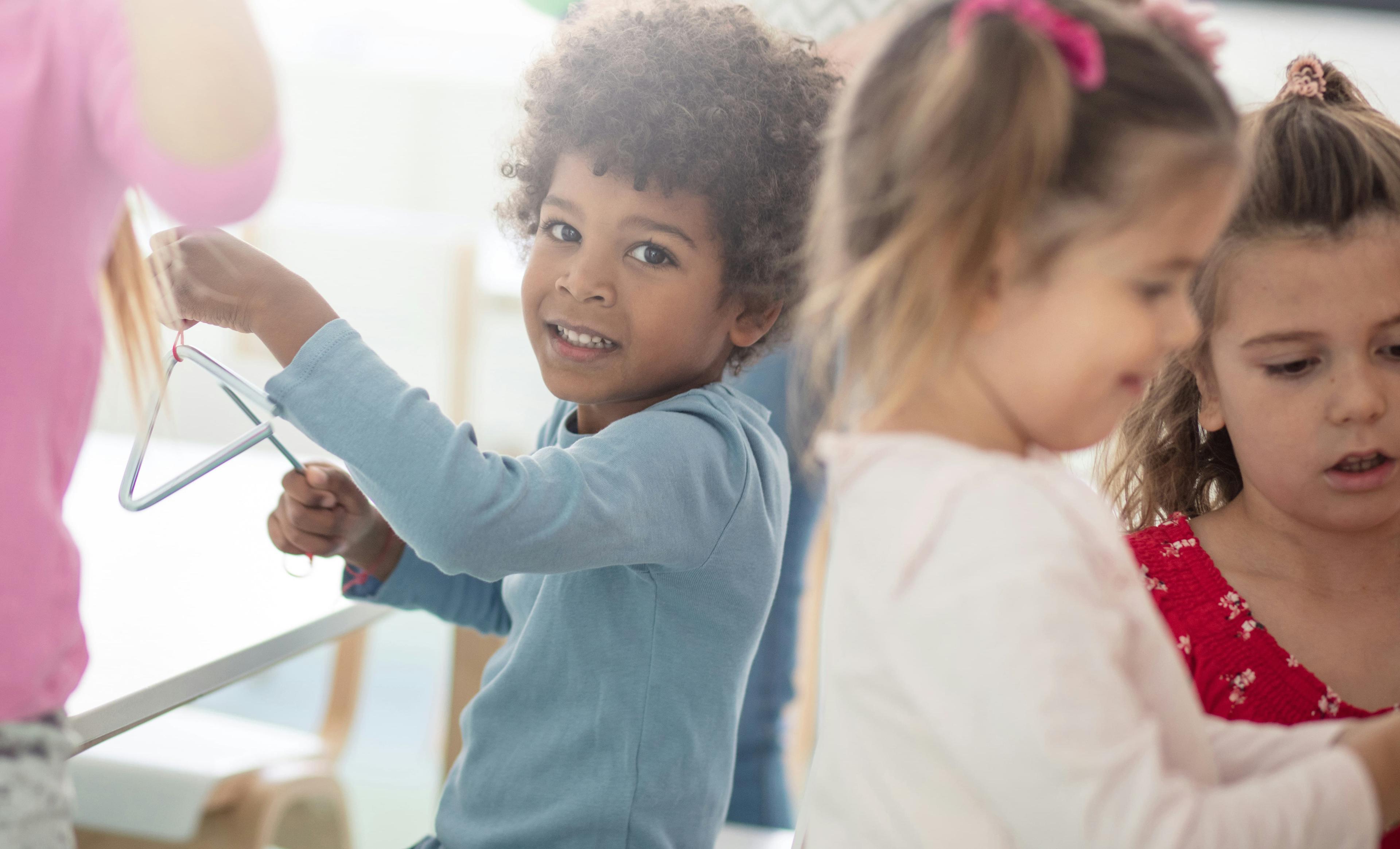
Then there's the movement. Those tiny shark hands aren't just adorable. Coordinating music with movement strengthens motor planning, bilateral coordination, body awareness, and executive functioning. Children are listening, remembering, moving, and self-regulating all at once. That's a lot of learning packed into a two-minute song. Socially, it's just as valuable. Watch a room full of three-year-olds sing Baby Shark together. They're taking turns, building confidence, laughing, solving little problems together, and learning to participate as a classroom community. To adults, it's a catchy song. To children, it's a lesson disguised as fun.
Do I sometimes wish our classroom soundtrack featured something a little more sophisticated? Absolutely. Before lunch this past school year, my transition song was "Gloria" by Laura Branigan (1982). The second those opening notes played, clean-up time was officially in session. Somehow, a room that looked like a craft store had exploded would magically spring into action. Tiny hands started putting away blocks, pushing in chairs, and racing to wash their hands. I'd like to think Laura Branigan would be proud to know she unknowingly became the patron saint of preschool transitions.
But despite my best efforts to bring a little '80s flair into the classroom, Baby Shark always swam its way back to the top. And honestly, I couldn't compete. Preschoolers have spoken, and apparently the shark has better classroom management skills than I do.
The truth is, that's the beauty of early childhood education. Great teachers don't fight what engages children- they use it. The best lessons don't always come from expensive curricula or perfectly planned activities. Sometimes they come from a silly song that children can't stop singing. Whether it's an '80s anthem or a family of cartoon sharks, if children are moving, laughing, singing, connecting with one another, and learning, we've done our job.
So the next time you hear "doo doo doo doo doo doo," don't think of it as the world's most annoying song. Think of it as a neuroscience lesson disguised as a dance party. And if you catch a preschool teacher singing Baby Shark at Trader Joe's, don't judge us.
We've accepted our fate.
Bibliography
Center on the Developing Child at Harvard University. (2021). Brain Architecture. Harvard University. https://developingchild.harvard.edu
Center on the Developing Child at Harvard University. (2016). Serve and Return Interaction Shapes Brain Circuitry. Harvard University. https://developingchild.harvard.edu
National Association for the Education of Young Children. (2020). Developmentally Appropriate Practice (DAP) Position Statement. Washington, DC: NAEYC.
National Early Literacy Panel. (2008). Developing Early Literacy: Report of the National Early Literacy Panel. National Institute for Literacy.
Shonkoff, J. P., & Phillips, D. A. (Eds.). (2000). From Neurons to Neighborhoods: The Science of Early Childhood Development. Washington, DC: National Academies Press.

Join the discussion
Members can read and add comments on every article.