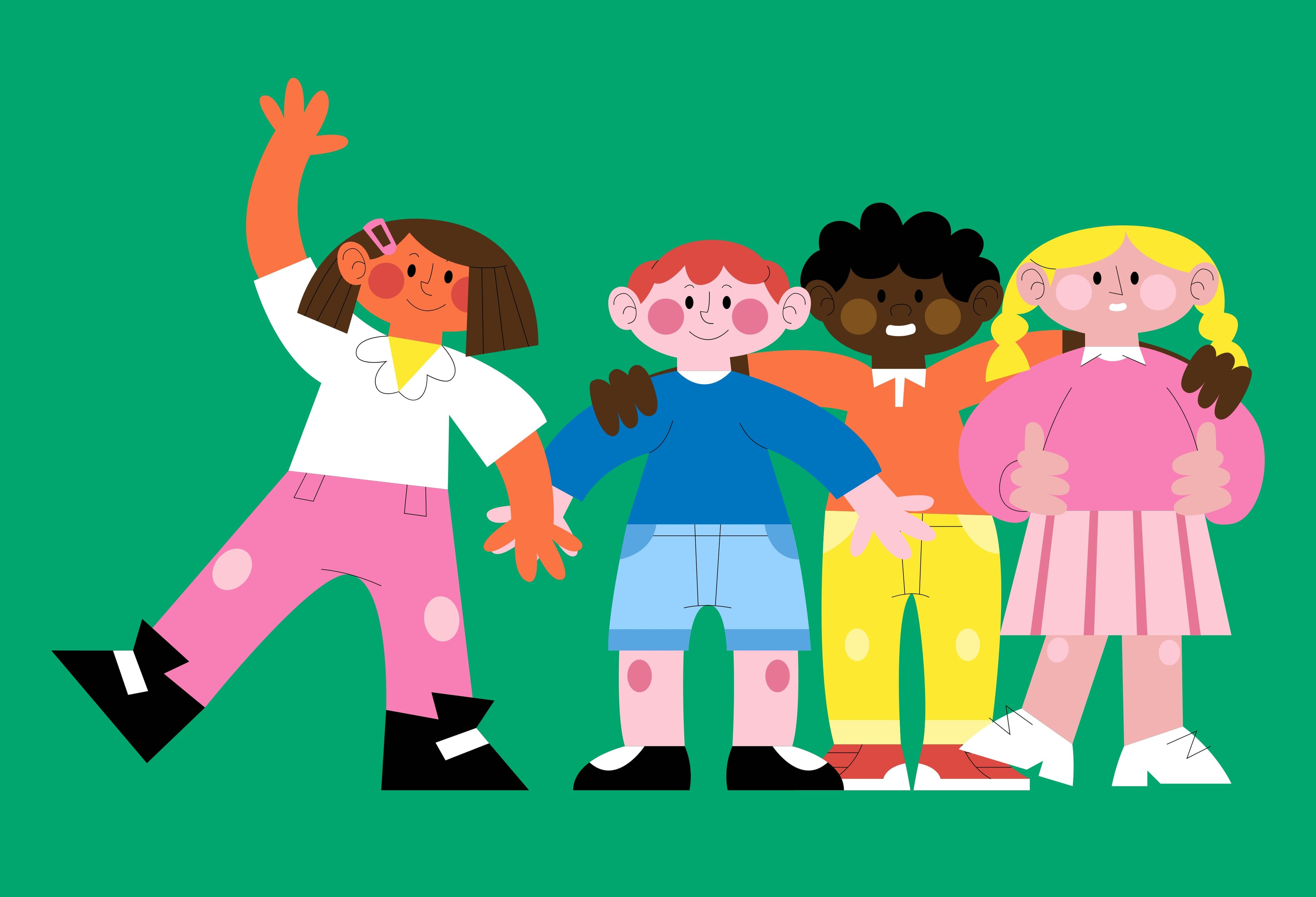
Youth at the Table: The Future of Inclusive Municipal Leadership
One of the most effective strategies I've implemented in municipal youth services is the use of youth advisory councils to co-design programs. These councils, typically composed of diverse high school and college-aged participants, meet regularly with city staff to review upcoming initiatives, provide feedback on existing services, and propose new ideas based on current youth needs. This structure not only creates a pipeline for civic engagement but also ensures that initiatives are responsive and grounded in the lived experiences of young people. Research shows that youth who participate in decision-making processes develop stronger problem-solving skills and civic identities, which benefits both their personal development and the wider community (Zeldin et al. 2013)1.
To make this collaboration meaningful, municipalities must provide adequate training and support. Youth council members should receive orientation on municipal structures, budgeting, and program evaluation to enable informed contributions. Additionally, compensating youth for their time and input, whether through stipends, service hours, or leadership development opportunities, ensures equity and encourages sustained engagement. These councils should reflect the diversity of the community in terms of race, gender, language, and socioeconomic background to prevent reinforcing existing disparities. When done with intention, youth-led program design results in higher participation rates and stronger program outcomes (Camino and Zeldin 2002)2.
Creating Safe, Inclusive Spaces for Youth Development
Physical and psychological safety is foundational to successful youth services. Cities must prioritize creating environments where young people feel secure, welcomed, and respected. This includes both dedicated youth centers and integrated spaces such as libraries, parks, and recreation facilities. Design considerations like inclusive signage, gender-neutral restrooms, and trauma-informed staff training can make a significant difference in participation and retention. According to the National League of Cities, youth are more likely to engage in positive activities when they perceive municipal spaces as safe and inclusive (NLC 2018)3.
In my experience, partnerships with local schools, mental health agencies, and community-based organizations are key to addressing the broader needs of youth who may face challenges related to housing instability, family trauma, or discrimination. Embedding social workers and counselors into youth spaces, particularly during after-school hours, helps create a support system that goes beyond academic achievement. Municipalities can also coordinate mobile outreach teams or drop-in services to reach disconnected youth. These strategies align with evidence showing that wraparound supports are crucial for youth most at risk of disengagement (Walker and Gowen 2011)4.
Expanding Equitable Access to Opportunities
Ensuring equitable access to youth services means addressing barriers that prevent participation. Transportation, cost, language, and scheduling are common obstacles that disproportionately affect low-income and marginalized youth. Municipal governments should invest in free or low-cost transit passes for students, offer programs at multiple neighborhood hubs, and schedule events outside standard school hours. Digital access must also be considered, especially for virtual learning and workforce readiness initiatives. A 2021 Pew Research Center report found that approximately 15 percent of U.S. teens lack reliable internet access at home, which can limit their participation in essential educational and civic programs (Anderson and Perrin 2021)5.
Language accessibility is another critical factor. Offering multilingual materials, interpretation services, and hiring bilingual staff can significantly increase engagement from immigrant and refuge
Read-Only
$3.99/month
- ✓ Unlimited article access
- ✓ Profile setup & commenting
- ✓ Newsletter
Essential
$6.99/month
- ✓ All Read-Only features
- ✓ Connect with subscribers
- ✓ Private messaging
- ✓ Access to CityGov AI
- ✓ 5 submissions, 2 publications
Premium
$9.99/month
- ✓ All Essential features
- 3 publications
- ✓ Library function access
- ✓ Spotlight feature
- ✓ Expert verification
- ✓ Early access to new features
More from Youth Services
Explore related articles on similar topics