Why Your Mind Is the Operating System of Your Success

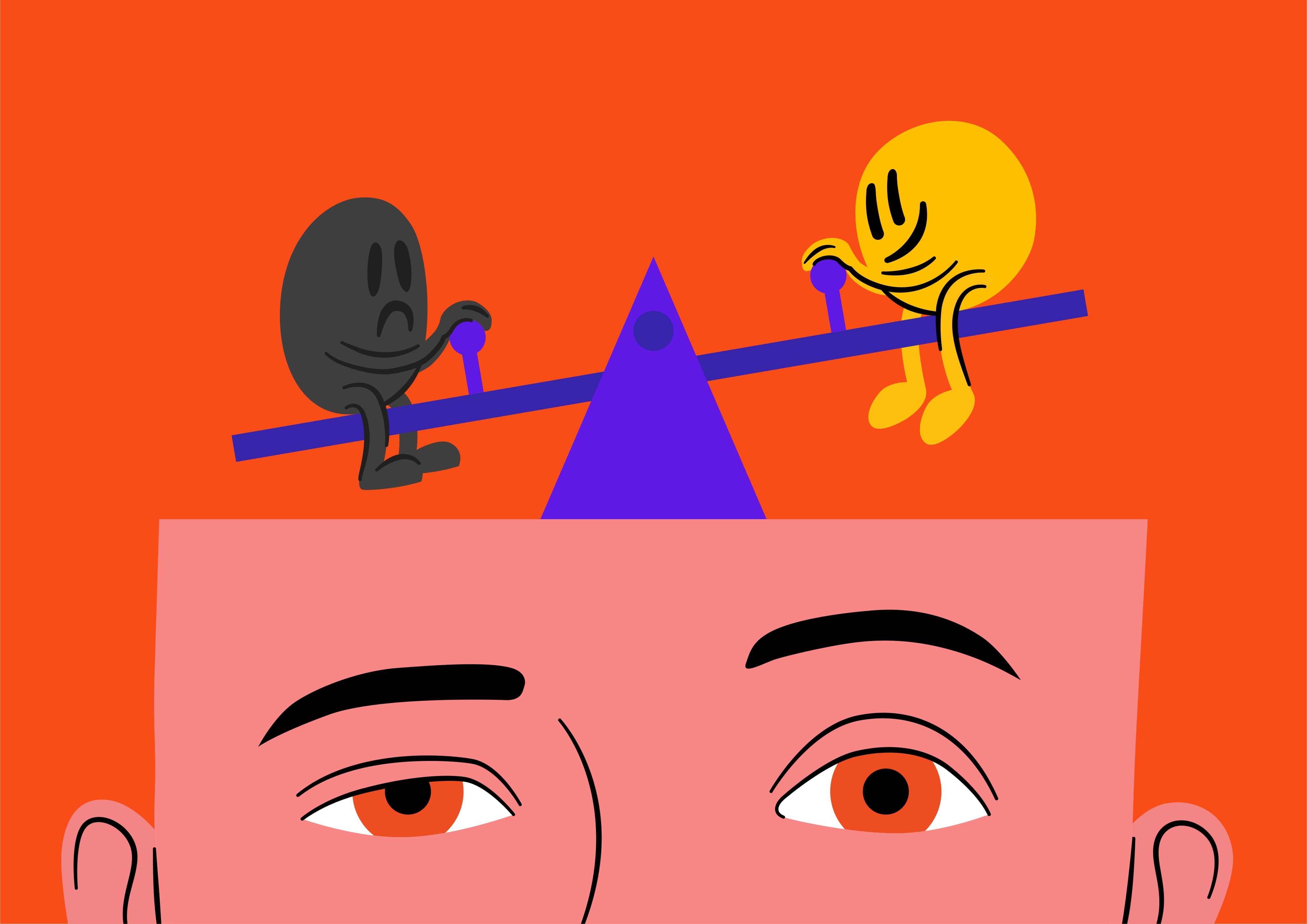
You reach a point in life where you realize that your mind isn’t just a tool; it’s the operating system that runs everything you do. The quality of your thoughts dictates the quality of your actions. The habits you cultivate become the systems that quietly shape your results long before you ever see them. Investing in yourself then is not a luxury or a motivational tagline; it’s survival in its most strategic form.
Your mind must be trained to invest in yourself before it can ever confidently lead you toward anything meaningful. That doesn’t happen through emotion or inspiration alone. True investment means discipline, systems, and consistency. It means recognizing that habits are not emotional bursts of willpower; they are mechanical blueprints built on repetition and design.
Habits Are Systems, Not Feelings
Too often, people treat habits like mood based moments, something you do when you “feel” motivated. That’s the problem. When your actions depend on feelings, you become unreliable to yourself. A well trained mind understands that habits are not emotional decisions; they are systems engineered to operate regardless of how you feel.
Systems quietly grow who you are when emotions fluctuate. You don’t brush your teeth because you’re motivated; you do it because it’s part of the system. You don’t exercise only when you feel like it; you do it because your system requires it. Reframing habits as systems upgrades your operating model. It makes behavior objective, not conditional.
A habit built on emotion will collapse under pressure. A system built on identity will survive any mood. So, when you design your system, you’re not just building routines; you’re constructing the infrastructure of your future self.
Your Vision Is a Direction, not a Destination
Vision isn’t about arriving somewhere perfect; it’s about aligning with a powerful direction that continually calls you forward. People often treat vision like a finish line. Once achieved, they’ll finally feel fulfilled. The truth is, achievement satisfies briefly, but alignment satisfies always. Vision isn’t where you end up; it’s how you move.
When you operate from this understanding, your daily actions become expressions of direction, not reactions to circumstance. You stop obsessing over outcomes and start refining your direction. The question shifts from “Where am I trying to get?” to “Who am I becoming in the process?”
That change in thinking is what separates dreamers from builders. A dreamer visualizes; a builder systematizes. Vision becomes your compass, but systems are your map. You keep walking not because you’ve arrived, but because you trust the process that keeps you expanding.
Invest in Your Mind Like It’s Your Greatest Asset
Your mind compounds like an investment account. Every book you read, conversation you engage in, and reflection you take compounds into future insight. It’s easy to invest money into things that look successful, but what separates great performers from average ones is their willingness to invest time, energy, and focus into expanding their mental framework.
When you treat your mind like your greatest asset, you become deliberate about what enters it. You choose learning over entertainment, discipline over distraction, and strategy over impulse. Every skill you build and every insight you uncover becomes intellectual equity, something that appreciates with time and use.
You also begin to protect your mental bandwidth. You notice how noise drains clarity. You realize that attention management, not time management, defines productivity. Mental wealth is built when you stop renting your focus to every notification and start owning your attention like a scarce currency.
Protect Your Attention Like It’s Currency
We live in an economy that doesn’t sell products; it sells distraction. Every platform, advertisement, or clickbait headline is engineered to extract your attention. The more scattered your focus, the less valuable your output. When you protect your attention, you reclaim your agency. You are no longer reactive; you are intentional.
Attention is the currency of excellence. It pays for your growth, your creativity, and your peace. The person who learns to focus deeply in a distracted world creates exponential leverage. To protect your focus, you need strong mental boundaries, a refusal to give energy to what doesn’t build your direction. Every yes you give externally is a no to your inner clarity. Attention allocation must align with your mission.
Many people guard their money aggressively but spend their attention carelessly. Yet money lost can be replaced; attention lost can only be regretted. That’s why mental investment and attention protection must exist together; they sustain each other.
Design Your Environment Like It’s Your Headquarters
If your mind is the command center, your environment is the infrastructure that supports it. You can’t expect consistency if you live within chaos. High performers don’t hope for discipline; they design for it. They engineer their spaces to reduce friction and eliminate distractions that weaken momentum.
Your environment should visually, emotionally, and practically reinforce the habits that serve your direction. Place reminders where they trigger healthy action. Remove temptations that require willpower to overcome. Treat your physical and digital spaces like headquarters, not hangouts.
You will always rise or fall to the level of your environment. A system thrives when its environment supports it. If your surroundings contradict your goals, motivation won’t save you. Redesigning your environment is an act of strategic self leadership; it’s you declaring control over what influences your energy and attention.
Execute Like the Vision Depends on Who You Are Becoming
Ideas mean nothing without execution, but execution must come from identity, not insecurity. You don’t execute because you want to prove something; you execute because you’ve trained your system to move toward your future self. Every action becomes evidence of who you are willing to become.
Execution aligned with identity turns habits into expressions of character. When you execute from this place, discipline feels like integrity, not punishment. You become consistent because inconsistency feels foreign.
This is how leaders evolve. Not by chasing motivation, but by architecting systems that align with who they’re becoming. Every decision, every boundary, every repetition builds the person your vision requires.
The System of Self-Leadership
When your mind is trained to invest in yourself, every aspect of your life becomes a coordinated ecosystem, habits as systems, vision as direction, attention as currency, and environment as headquarters. You stop chasing external validation because the internal architecture is strong. Progress becomes predictable because the system is designed for it.
Ultimately, success is not about intensity; it’s about design. You don’t rise to your goals; you fall to the level of your systems. When those systems are built around self investment, attention discipline, and environmental design, growth becomes automatic.
Your job is simple, keep investing in your mind, protect your attention, and design a world around you that makes success inevitable. The rest is execution, one system, one choice, and one direction at a time.





Join the discussion
Members can read and add comments on every article.