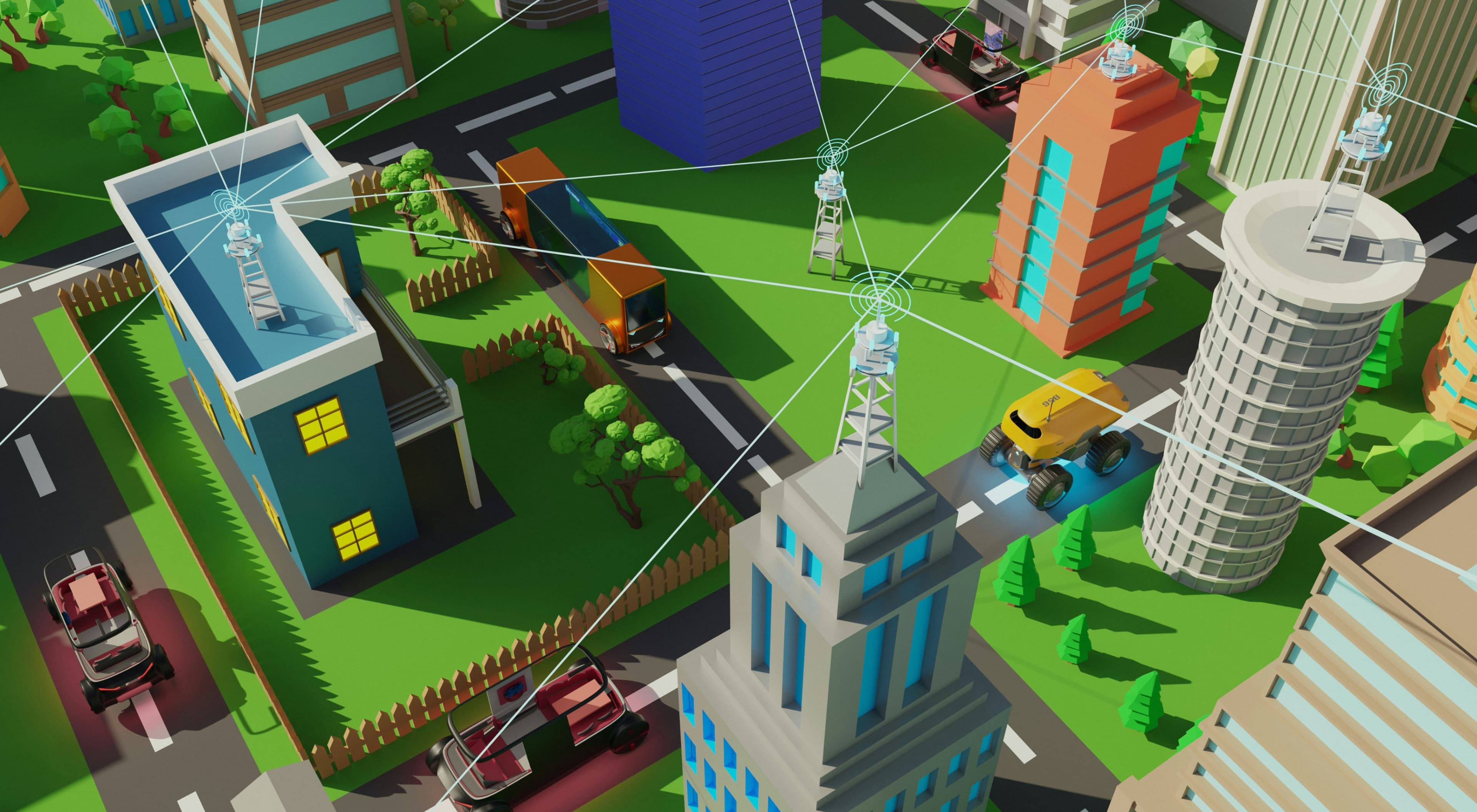
The AI-Ready Workforce: Rewiring Public Service for Continuous Growth
Traditional professional development in government, education, and public service has long centered on static, one-time workshops that prioritize compliance and credentialing. While these sessions may satisfy regulatory requirements, they often fail to cultivate the adaptive capabilities needed in a rapidly evolving technological environment. Artificial Intelligence (AI) demands a departure from this linear model. It requires professionals to adopt a mindset of continuous learning, where development is structured as an iterative process rather than a checklist.
Continuous AI literacy is not a luxury but a strategic necessity. For example, a 2023 report from the Organisation for Economic Co-operation and Development (OECD) emphasized that future-ready public servants must possess not only technical understanding but also the capacity to learn and adapt at speed (OECD 2023)1. This shift calls for new training models that integrate frequent microlearning, case-based simulations, and peer-coaching sessions focused on real-time problem solving. Instead of treating training as a periodic event, agencies should establish feedback loops that incorporate AI tools into daily workflows, enabling professionals to learn while doing.
Leveraging AI for Strategic Efficiency
AI-driven tools offer public professionals significant opportunities to reallocate time from routine administrative tasks to strategic initiatives. For instance, natural language processing can automate meeting minutes, generate reports from structured data, or handle routine citizen inquiries through chatbots. A 2022 study by the Center for Digital Government found that 58 percent of surveyed local governments had already implemented or planned to implement AI tools for document processing and citizen communications within the next two years2.
These technologies free up capacity for more impactful work. School administrators, for example, can use AI to analyze student performance data across districts to identify achievement gaps more quickly than traditional methods allow. Similarly, civic planners can use predictive analytics to model traffic patterns or budget scenarios, allowing for data-informed policy decisions. The real value of AI in professional settings lies not in reducing headcount but in augmenting human judgment with faster, deeper, and more accurate insights.
Applied AI Learning in Action
Effective professional development must connect AI concepts to practical, job-relevant applications. In education, AI-driven platforms like ScribeSense or Gradescope are helping teachers grade assignments faster and identify learning trends in real time. Professional development pro
Read-Only
$3.99/month
- ✓ Unlimited article access
- ✓ Profile setup & commenting
- ✓ Newsletter
Essential
$6.99/month
- ✓ All Read-Only features
- ✓ Connect with subscribers
- ✓ Private messaging
- ✓ Access to CityGov AI
- ✓ 5 submissions, 2 publications
Premium
$9.99/month
- ✓ All Essential features
- 3 publications
- ✓ Library function access
- ✓ Spotlight feature
- ✓ Expert verification
- ✓ Early access to new features
More from Professional Development and Training
Explore related articles on similar topics