Remembering Well: The Power of Collective Healing
When Tragedy Strikes
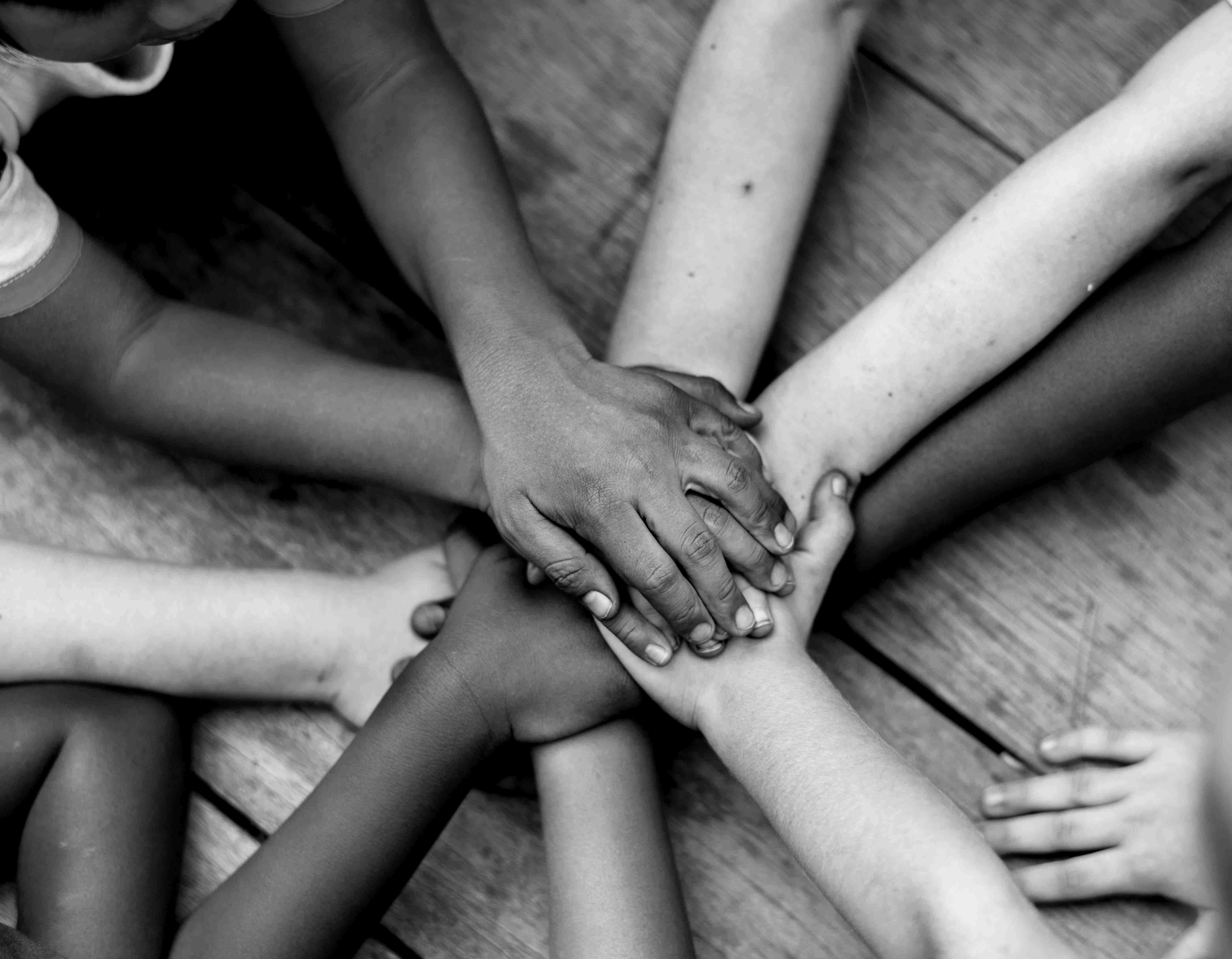
When tragedy strikes a school community, the weight of grief can feel unbearable. The sudden absence of a cherished presence leaves a void that words alone can’t fill. As a district leader, I’ve walked alongside educators, students, and families through such heartbreaking times. And I’ve learned that in the midst of sorrow, there’s also an opportunity; to come together, to remember, and to honor.
Remembering a Caring Adult
I vividly remember when one of our schools lost a long-time staff member; someone whose role extended far beyond her job description. She was a constant source of warmth and reassurance, a steady presence who had touched countless lives. Her influence was felt in morning greetings, in quiet conversations, and in the way she made every child feel seen and valued1. When she passed, the school community was deeply shaken.
The grief was immediate and palpable. Staff members struggled to imagine the school without her. Students asked difficult questions. And yet, amid the sadness, something powerful began to unfold.
Creating Circles of Support
Together with the school’s leadership team, we made space for collective healing. We organized support circles for staff. Safe spaces to cry, to laugh, and to share stories2. Through those conversations, it became clear that her legacy wasn’t just about what she did, but how she made people feel.
The stories were tender and full of life: anecdotes about her encouragement, her compassion, her quiet ability to lift spirits. In remembering her, we were also reweaving the fabric of the community; one threaded with kindness, connection, and strength. Her memory became a guiding light, reminding us that we are stronger when we grieve and grow together3.
Empowering Students to Carry the Torch
We also turned to the students; many of whom had known her for years. We encouraged them to be part of the healing. Some chose to create service projects in her honor; others shared their memories in class or wrote letters to her family. In doing so, they learned a powerful truth: that grief doesn’t have to be passive. It can be a catalyst for kindness, for growth, for change4.
By helping students understand they could carry her spirit forward through action, we gave them agency in their own healing. It was a way of transforming pain into purpose5.
A Community United in Support
What struck me most during this time was the outpouring of support from the wider community. Parents offered meals and kind words. Nearby schools sent messages of solidarity. District staff stepped in to offer counseling and logistical support. In every gesture, we saw the strength of connection and proof that no one had to carry their grief alone6.
Through this collective effort, the school began to move forward; not by forgetting, but by remembering well. We created a network of care that continues to uphold and inspire the community7.
Choosing to Focus on the Legacy
What I’ve learned is that grief, while necessary and deeply human, doesn’t define the people we’ve lost. Their contributions do. The laughter they sparked, the lives they touched, the hope they leave behind: those are the things that endure8.
Across our district, we choose to focus not just on the sadness of the loss, but on the strength of the legacy. In every classroom and in every shared memory, we chose to remember her not with despair, but with gratitude9.
References
Anderson, G., & Goodman, J. (2020). "Effects of teacher–student relationships on peer harassment: A multilevel study." Developmental Psychology, 56(2), 267–278.
Bostic, J., Nevarez, M., Potter, M., Prince, J., Benningfield, M., & Aguirre, B. (2015). "Being present at school: Implementing mindfulness in schools." Child and Adolescent Psychiatric Clinics, 24(2), 245-259.
Chapman, R., & Buckley, L. (2016). "School-based peer support for adolescents experiencing bereavement: A review." Death Studies, 40(8), 494-502.
Dyregrov, A., & Dyregrov, K. (2005). "Siblings after suicide–"The forgotten bereaved." Suicide and Life-Threatening Behavior, 35(6), 714-724.
Harper, M., O’Connor, R. C., & O’Carroll, R. E. (2015). "Factors associated with grief and depression following the loss of a child: A multivariate analysis." Psychiatry Research, 229(1–2), 100–105.
Klass, D. (2018). "Continuing bonds in adaptation to bereavement: Toward theoretical integration." Clinical Psychology Review, 66, 44-55.
Leon, I. G. (2017). "When a child dies: How pediatric physicians and nurses cope." Journal of Pediatric Health Care, 31(1), 93-99.
Piper, W. E., Ogrodniczuk, J. S., Azim, H. F., & Weideman, R. (2001). "Prevalence of loss and complicated grief among psychiatric outpatients." Psychiatric Services, 52(8), 1069-1074.
Wijngaards-de Meij, L., Stroebe, M., Schut, H., Stroebe, W., van den Bout, J., van der Heijden, P., & Dijkstra, I. (2008). "Parents grieving the loss of their child: Interdependence in coping." British Journal of Clinical Psychology, 47(1), 31-42.





Join the discussion
Members can read and add comments on every article.