Quiet Confidence: The Calm of Certainty

The Calm of Certainty: How to Think, Decide, and Shape Outcomes Like You Already Know the Result
Imagine walking into every challenge with the quiet confidence of someone who already knows the score. No second guessing, no anxious waiting, no hoping things will shake out in your favor. Just an unshakable calm, the kind of presence great leaders and achievers carry, the presence of certainty.
If that sounds idealistic, consider what happens when you shift your mindset from hoping for outcomes to directing them. When you operate with inner certainty, circumstances lose their power over you, not because you can control every detail, but because you approach each situation as the kind of person who determines the outcome through presence, clarity, and decision.
From Hope to Certainty
Most people are taught from an early age to hope: hope it goes well, hope circumstances align, hope the right doors open. Hope feels safe because it removes responsibility. But that safety comes at a price, because it puts all the power outside of us. Hope assumes we must wait for the world to deliver what we want. Certainty flips that entirely. It begins with the belief that every event, even the ones that seem like setbacks, is conspiring to serve a larger goal.
That shift changes everything. Certainty is not about control or arrogance. It is trust, built on the conviction that you have enough resourcefulness, adaptability, and wisdom to shape whatever life delivers into something useful. When you enter a situation with that belief, you stop reacting and start leading. You no longer look to circumstances for permission; you move first, with calm authority.
How Certainty Feels and Functions
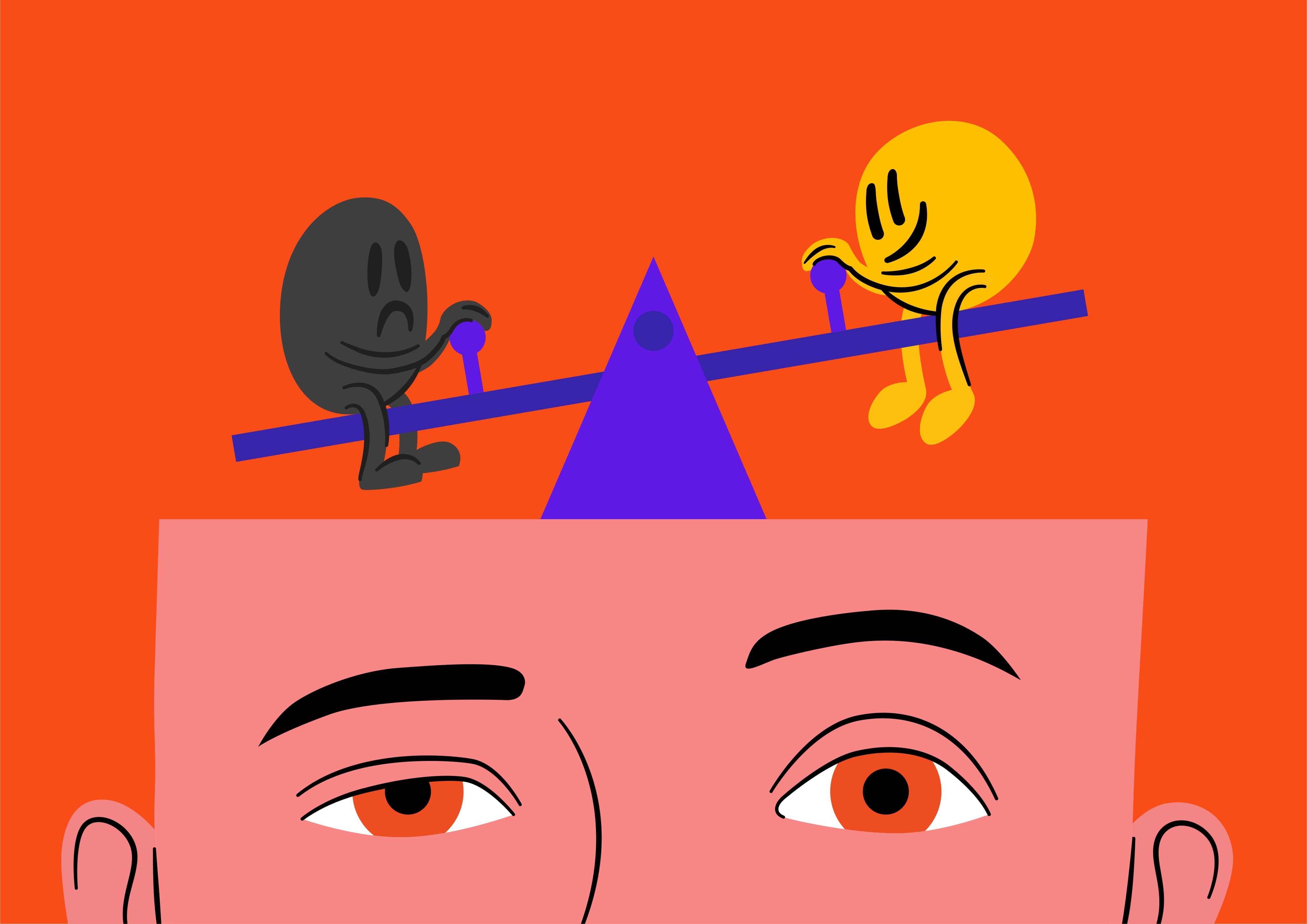
Certainty clears mental noise. It quiets the inner dialogue that asks what-ifs and forces your attention back to what matters most: the next step, the decision at hand, the direction forward. When you are certain, your thinking becomes cleaner, more efficient. You decide faster, not because you know everything, but because you trust that whatever you do not know yet will reveal itself when needed.
This is what separates the calm presence of a seasoned leader from the anxious hesitancy of someone waiting for proof before acting. The certain person does not wait to feel ready; they decide, commit, and adjust along the way. Their confidence comes not from knowing the future, but from knowing themselves.
Over time, this mindset builds momentum. Every decision reinforces trust in your capacity to handle what is next. You begin to notice how seemingly random events start aligning with your vision. Opportunities that once required chasing now meet you halfway, drawn to the steady energy of someone who moves with purpose rather than doubt. That is not mysticism; it is psychology and energy at work. People, projects, and possibilities gravitate toward conviction.
The Practice of Certainty
Certainty is a discipline. It is practiced, not proclaimed. It begins with framing, viewing every disappointment or delay as information in service of your next evolution. Getting turned down for a job, losing a client, or facing rejection from a gatekeeper is not failure, it is feedback that sharpens approach, focus, and readiness. Every event carries value if you decide it does.
Decision itself becomes the training ground. The more you decide, the more you strengthen the muscle of certainty. Indecision, by contrast, erodes it. When you spend days or weeks analyzing possibilities, you allow fear to fill the gap that clarity leaves open. Action, even imperfect, reclaims that ground. Each choice teaches you how to respond faster and recover quicker, producing an internal rhythm of progress that cannot be shaken by outcomes.
Certainty also thrives in detachment. When you release the need to control how a result unfolds, you make space for flow and creativity. The person who forces outcomes tends to act from pressure; the one who trusts their direction acts from power. Real calm appears not when everything goes your way, but when you have stopped needing it to.
To cultivate this state, begin with daily reflection or movement, rituals that center you back in the present. Stillness anchors certainty because it reminds you that clarity never comes from rushing; it comes from awareness. Surround yourself with people who operate from this same posture of grounded faith and decision. Their composure makes you stronger. Their decisiveness challenges you to meet moments with more conviction than before. Energy, like certainty, compounds.
When Certainty Meets Challenge
The greats across every field understood this principle intuitively. Michael Jordan visualized game-winning shots until they were already reality in his mind. Marie Curie continued her research as if discovery were inevitable, not hypothetical. Nelson Mandela left prison not consumed by revenge but animated by reconciliation, a path he had already claimed internally long before the world saw it unfold. For each, certainty was less about prediction and more about preparation. They did not wait to see the outcome; they decided what the outcome would represent.
Certainty is not stubbornness. It allows for course correction and welcomes feedback, but never at the cost of inner steadiness. Adversity becomes data, not destruction. The person anchored in certainty does not crumble when results deviate from expectation; they simply shift posture, gather insight, and keep moving. The calm you sense in such people is not comfort, it is control over how they interpret reality.
The Power of Decided Faith
When you live in this mindset, life feels less like surviving circumstance and more like directing a current already flowing your way. You speak differently. You act more decisively. You attract alignment because uncertainty stops clouding your expression. People trust decisive energy; it communicates safety, leadership, and order in an uncertain world.
You do not need a guarantee to live from this power. You need only decide that whatever happens, it will serve the vision you have already claimed. From that point forward, calm is no longer a mood, it is your baseline. Hope gives way to faith, and faith becomes direction. That is when you stop chasing outcomes and start shaping them.




Join the discussion
Members can read and add comments on every article.