Leadership Under Pressure: What Officers Need From Supervisors During Critical Incidents
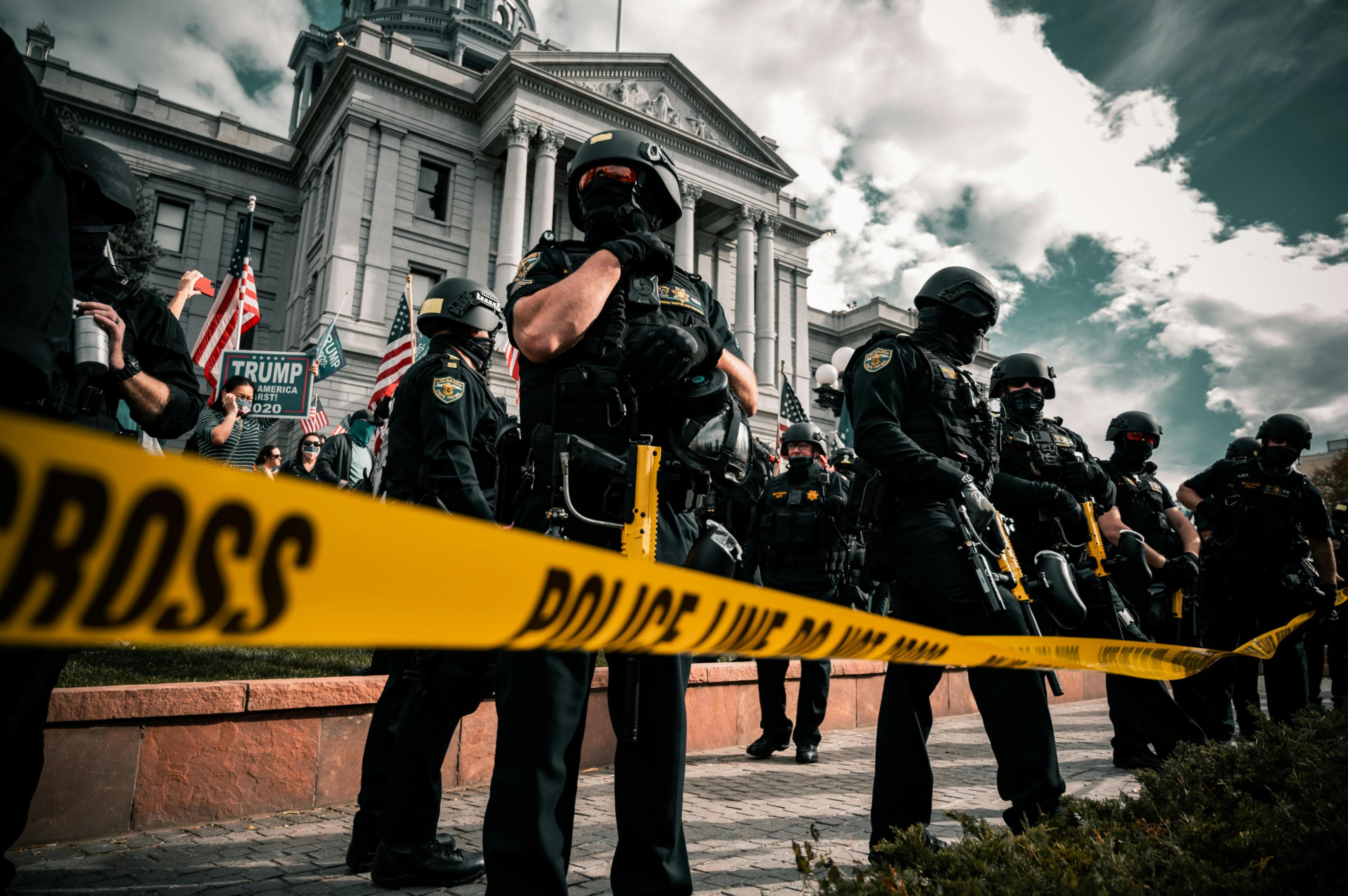
Critical incidents do not simply test tactics. They test leadership.
When a scene turns volatile - an officer-involved shooting, an active threat, a barricaded subject, a violent domestic, a mass casualty crash - officers do what they have been trained to do. But in those moments, training alone is not enough. People need direction. They need order. They need a steady voice that can cut through adrenaline and noise.
This is where supervisors matter most.
A good supervisor does not become a second crisis on the scene. They become the stabilizing force that allows officers to function with discipline instead of panic. And in a profession where seconds matter, that leadership can be the difference between a clean resolution and a tragedy that spreads.
Officers Need Clarity, Not Volume
In high-stress situations, the human brain narrows. Auditory exclusion, tunnel vision, and time distortion are real. That means confusion multiplies fast. When too many people are giving direction - or when direction is vague - officers waste time trying to interpret instead of act.
What officers need is simple, direct clarity:
Who is in charge
What the immediate priorities are
Who is assigned to what role
What information is confirmed versus assumed
The best supervisors speak plainly. They don’t bark for ego. They communicate to create structure.
Officers Need a Supervisor Who Manages the Whole Scene
During critical incidents, officers naturally focus on the threat in front of them. Supervisors must widen the lens. They must manage what officers cannot see because they are busy surviving.
That includes:
securing the perimeter
coordinating medical response
controlling incoming units
preventing crossfire or duplication
ensuring radio traffic stays usable
calling for specialty resources early
Officers don’t need a supervisor to do their job for them. They need a supervisor who keeps the entire operation from collapsing into chaos.
Officers Need Calm Command Presence
There is a difference between urgency and panic. Officers can feel it immediately.
When a supervisor is frantic, officers become frantic. When a supervisor is steady, officers settle into their training. Calm leadership does not mean slow leadership. It means controlled leadership. It means a voice that says, without drama: We are going to handle this.
This kind of calm is contagious. So is the lack of it.
Officers Need Decisions - and Ownership
Critical incidents produce imperfect information. A supervisor may have to make decisions without complete clarity. Waiting for certainty is often not an option.
Officers need supervisors who can decide:
whether to enter or hold
whether to transition to rescue
whether to request SWAT
whether to evacuate
whether to call a pursuit
whether to shift to negotiation
But more than that, officers need supervisors who will own the decisions they make. Nothing destroys morale faster than leadership that disappears when the paperwork begins.
Officers Need Protection From Second-Guessing in the Moment
Accountability matters. Investigations matter. Policy matters.
But in the middle of a critical incident, officers need their supervisors to focus on safety and resolution - not to start litigating every choice over the radio. Public correction and hesitation during a crisis can cost lives.
A strong supervisor will:
keep officers inside policy through clear direction
correct later when the scene is stable
preserve discipline without creating confusion
Officers Need a Leader After the Incident, Not Just During It
One of the most overlooked failures in law enforcement leadership is what happens after the incident ends.
After a critical event, officers may appear fine - because the body is still running on chemicals. The real impact often arrives later: sleep disruption, anger, guilt, emotional numbness, or intrusive memories.
Officers need supervisors who:
ensure medical evaluation when appropriate
secure time for debriefing
encourage peer support
connect officers to resources without shame
treat them like human beings, not liabilities
The Measure of Leadership
Critical incidents reveal what a supervisor truly is.
Not in speeches. Not in policy memos. Not in the calm of routine.
Leadership is measured when the air is heavy, the radios are loud, and the outcome is uncertain. In those moments, officers do not need perfection.
They need a supervisor who brings order, courage, and steadiness into the storm.
And who stays - long after the sirens fade.
Bibliography
Andersen, J. P., Papazoglou, K., & Arnetz, B. B. (2020). Mental preparedness as a pathway to police resilience and optimal functioning in the line of duty. International Journal of Environmental Research and Public Health, 17(11), 4062. https://doi.org/10.3390/ijerph17114062
Violanti, J. M., & Paton, D. (Eds.). (2006). Critical incidents in policing (2nd ed.). Charles C. Thomas Publisher.
Staal, M. A., Bolton, A. E., Yaroush, R. A., & Bourne, L. E. (2008). Cognitive performance and resilience to stress. In B. J. Lukey & V. Tepe (Eds.), Biobehavioral resilience to stress (pp. 259-299). CRC Press.
Pearson-Goff, M., & Herrington, V. (2013). Police leadership: A systematic review of the literature. Policing: A Journal of Policy and Practice, 7(3), 371-385. https://doi.org/10.1093/police/pat027
Gilmartin, K. M. (2002). Emotional survival for law enforcement: A guide for officers and their families. E-S Press.