From Sartre to Skyscrapers: Philosophy in the Heart of the City
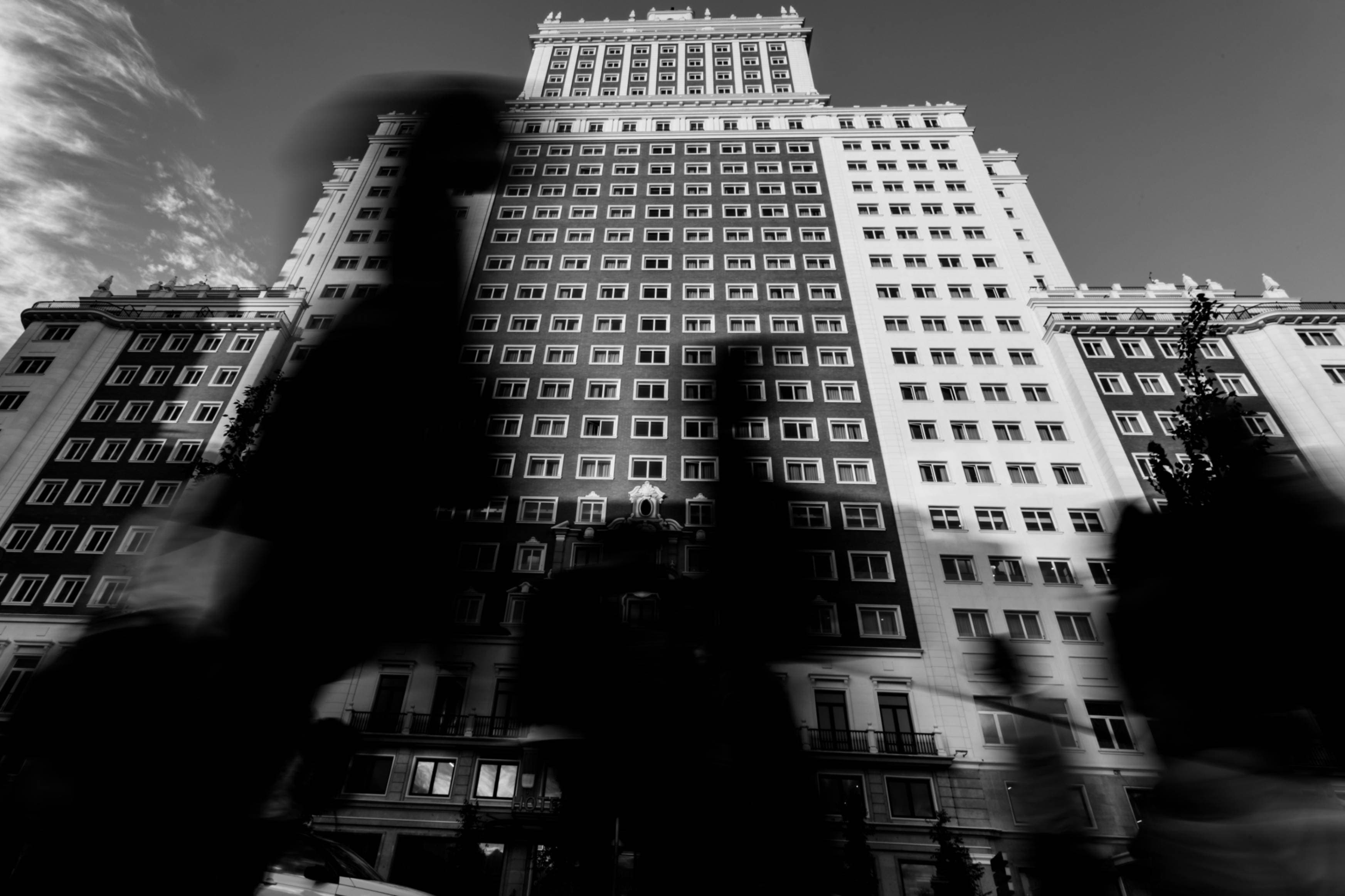
Cities are experiments in being human. Millions of people packed into towers, trains, and streets, all negotiating identity, meaning, and choice. Every day, the city forces us to reflect on the same questions philosophers have been asking for centuries: Who am I? How do I live in a way that reflects who I truly want to be? How do I connect with the people around me?
Jean-Paul Sartre said, “existence precedes essence.” In other words, we define ourselves through our choices. Walk through a city for a day and you’ll feel it: every commute, every meeting, every casual encounter is a small act of self-authorship.
The city forces us to confront ourselves in ways that quieter spaces never do. Every street corner, subway platform, and office lobby becomes a mirror, reflecting who we are and who we might want to be.
The sheer density of choices, encounters, and stimuli makes living in a city a kind of daily self-experiment. Do you take the longer, scenic route home, or the fastest one? Do you strike up a conversation with a stranger, or stay in your bubble? These small decisions accumulate, shaping identity in ways both subtle and profound.
In this sense, the city is less a backdrop and more a crucible: it tests our values, our priorities, and our capacity to act freely while navigating the endless complexity of urban life.
Freedom in the Crowd
Living in a city makes it impossible to hide from yourself. Every decision, from which train to catch to which conversation to join, becomes a small act of self-definition. You are not defined by the buildings around you or the crowds that brush past, but by how you move through them, how you respond, and the choices you make in the midst of chaos. In the city, identity isn’t given. It’s forged, moment by moment, by the life you choose to live.
Sartre called the weight of shaping yourself "anguish," the recognition that your choices define who you are, for better or worse. Every decision in the city, from the mundane to the profound, is a small act of self-creation.
But defining yourself doesn’t happen in isolation.
Confucius emphasized ren, the cultivation of humaneness through relationships. In a city, who we are is constantly negotiated with others. Our freedom intersects with social expectations, our self-definition entwined with how we treat and are treated by those around us.
Urban life, then, teaches a dual lesson: we are responsible for ourselves, but we are never entirely separate from the human web in which we live.
The Absurd in Daily Life
Albert Camus famously described life as absurd. Humans crave meaning, but the universe offers none. Urban life sometimes feels like it's bringing this into sharp focus. Endless subway lines, traffic jams, and meetings that run late highlight the tension between our desire for control and the chaotic reality around us. Recognizing this absurdity can be unsettling, yet, as Camus argued, it is also liberating. Confronting the absurd allows us to create moments of meaning and exercise freedom even in the midst of chaos.
Buddhism offers a parallel perspective. Life is defined by impermanence (anicca) and dissatisfaction (dukkha). Cities make these principles unavoidable: populations shift daily, streets are ever-changing, and interactions with strangers are fleeting. Awareness of impermanence can help us embrace each moment, while acknowledging dissatisfaction motivates us to live consciously rather than passively.
In practice, living in a city makes these philosophies tangible. The absurd teaches us to act despite meaninglessness, impermanence reminds us that nothing lasts, and dissatisfaction nudges us to engage with life rather than cling to illusions of control. Together, they illustrate a core urban lesson: life is unpredictable but endlessly rich. It is through our choices and awareness that we define ourselves amid the city’s relentless flow.
The Social Self
Cities also teach us about connection. Simone de Beauvoir argued that we exist as both subjects and objects, constantly negotiating how we appear to others. Urban life amplifies this dynamic: social media, crowded sidewalks, and public spaces create a constant interplay between visibility and authenticity. Most encounters are transactional, what Martin Buber called "I–It" relationships. But occasionally, meaningful interactions happen, a conversation with a stranger, a shared smile in a coffeshop, a fleeting act of recognition. These moments reveal our capacity for genuine human connection.
African philosopher Kwame Gyekye reminds us that individuality is realized within community. Even in the city, where isolation often feels inevitable, our freedom and selfhood are intertwined with our relationships. Cities are not just spaces of alienation. They are arenas where we learn to balance independence and interdependence.
Architecture and Aspiration
Cities are more than streets and skyscrapers. They are monuments to collective ambition. Buildings, bridges, and transit systems are physical expressions of human creativity and cooperation. Taoist thought speaks of wu wei, acting in harmony with the flow of life. The city embodies this: human intention meets collective rhythm, producing structures that are both functional and symbolic.
The city inspires. Walking past a soaring skyscraper or a historic plaza, we are reminded that humans are capable of shaping the world and, through that shaping, understanding themselves. Urban life shows that identity is both self-created and socially realized.
Philosophy in Motion
Existentialism is often framed as bleak, but the city shows its optimism. Existentialism places ultimate power in the hands of the individual. It posits that we are not defined by a pre-existing essence. We are instead the sum of our choices and actions, meaning we are free to become who we want to be.
City life compresses everything into one fast-moving experiment. Every street, train ride, and crowded plaza forces us to decide, to act, and to reflect. Philosophy isn’t just something we read about; it’s something we live.
Thinkers across cultures agree: being human isn’t an idea, it’s a practice.
And the city? It’s the ultimate gym.
Between the honking horns, towering glass, and endless bustle, we are called to engage, to connect, and to discover what it really means to live fully.