Fear Is a Mile Wide and an Inch Deep
Why Fear Is a Mile Wide and an Inch Deep
Most people never discover how capable they really are, not because they lack skill or opportunity, but because they stop at the edge of fear. Fear, in all its disguises, is the most convincing illusion we encounter. It tells us stories about failure, judgment, and loss. It dresses up as realism, prudence, or experience. It even convinces us that caution is wisdom. But behind all that noise, fear is usually much thinner than it appears. As the saying goes, it is a mile wide and an inch deep.
Our limits start in the mind long before they appear in the world. The ceiling we think we hit is often a fiction built from old experiences and outdated beliefs. Someone once told us we weren’t ready. A rejection or disappointment got stored in memory, and the brain, trying to protect us, built a fence around the idea of trying again. Over time, that fence grows higher. But if you look closely, the posts are made of soft wood - one push often knocks them down.
The Mirage of Safety
Fear promises safety. It whispers, “Don’t risk it. You might lose.” And for a while, that feels reasonable. But safety without growth becomes stagnation. The irony is that the more we try to stay safe, the smaller our world becomes. We trade the discomfort of challenge for the comfort of predictability. Eventually, we call that shrinking comfort zone “reality.”
The truth is, most fears are designed to keep us alive, not fulfilled. They were useful long ago when danger was a wild animal or a tribal rejection that actually threatened survival. Today, fear reacts to far less lethal situations - sending a proposal, speaking up in a meeting, or starting a new career. The body responds as if those actions were life-threatening, when in reality, they are the very things that lead to growth and joy.
The illusion works because fear feels real in the body. The heart races, the stomach tightens, the mind starts crafting stories of worst-case scenarios. But walk through that discomfort carefully, and you discover the truth: most of what you feared was simply anticipation, not reality. Once you take the step you’ve avoided, the fear dissolves almost instantly. What looked like a wall from a distance turns out to be a thin layer of fog.
The Hidden Cost of Staying Safe
Avoiding fear has a cost that few recognize until much later. It costs confidence, curiosity, and connection. Every time we choose safety over growth, we teach ourselves a subtle lesson - that comfort is more valuable than courage. Over time, that message rewires our habits. We start playing smaller, dreaming less boldly, and accepting less meaning in our work and relationships.
Many professionals, especially those in leadership or public service, live within invisible limits shaped by fear of failure or judgment. The higher the stakes, the quieter the fear becomes, disguising itself as logic: “Now isn’t the right time.” “We don’t have the resources.” “The risk is too high.” Those statements may sound rational, but they are often polished versions of “I’m afraid.”
True growth requires a temporary suspension of certainty. Leaders grow when they walk into new arenas without guaranteed outcomes. Students thrive when they ask questions that risk being wrong. Communities evolve when they face hard truths about what needs to change. None of that happens in comfort.
The Moment You Cross the Line
There’s always a single moment when fear reveals its true size. It happens right after you act. You make the phone call, send the application, hit “publish,” or have the conversation you’ve been delaying. Relief floods in because the imagined catastrophe doesn’t happen. That’s when you see the illusion - fear looked enormous from afar, but you crossed it in seconds.
That insight resets your internal compass. You start trusting that fear is not a stop sign, but a signal. It points to the direction of personal expansion. Each time you lean toward it, the next step feels less daunting. Bit by bit, you train your nervous system to handle uncertainty without losing center. Before long, what once terrified you becomes a familiar path. The situations that used to make your heart pound become routine, and the courage you once had to summon now feels like second nature. This is how genuine confidence is built: not through achieving perfection or accumulating experience, but by walking through discomfort until it transforms into capability.
The Reinvention of Your Limits
When you confront fear, your world doesn’t just get bigger; it changes shape entirely. The boundaries you assumed were immovable recede, and possibilities you couldn’t see before begin to appear. Suddenly, decisions aren’t just about playing defense; they’re about what you might accomplish if you leaned in instead of pulling back. Career, creativity, relationships, community impact; all of them expand when you repeatedly show up on the far side of fear.
Fear as a Guide, not a Guard
The paradox is that fear, properly understood, becomes a guiding light instead of a barricade. When you feel its presence, it’s often a hint at something essential: an opportunity, a meaningful challenge, a conversation that matters. Rather than avoid it, try asking what it’s pointing to. What would you build if you weren’t afraid? What connection might deepen? What leadership move feels risky but right?
Final Thought
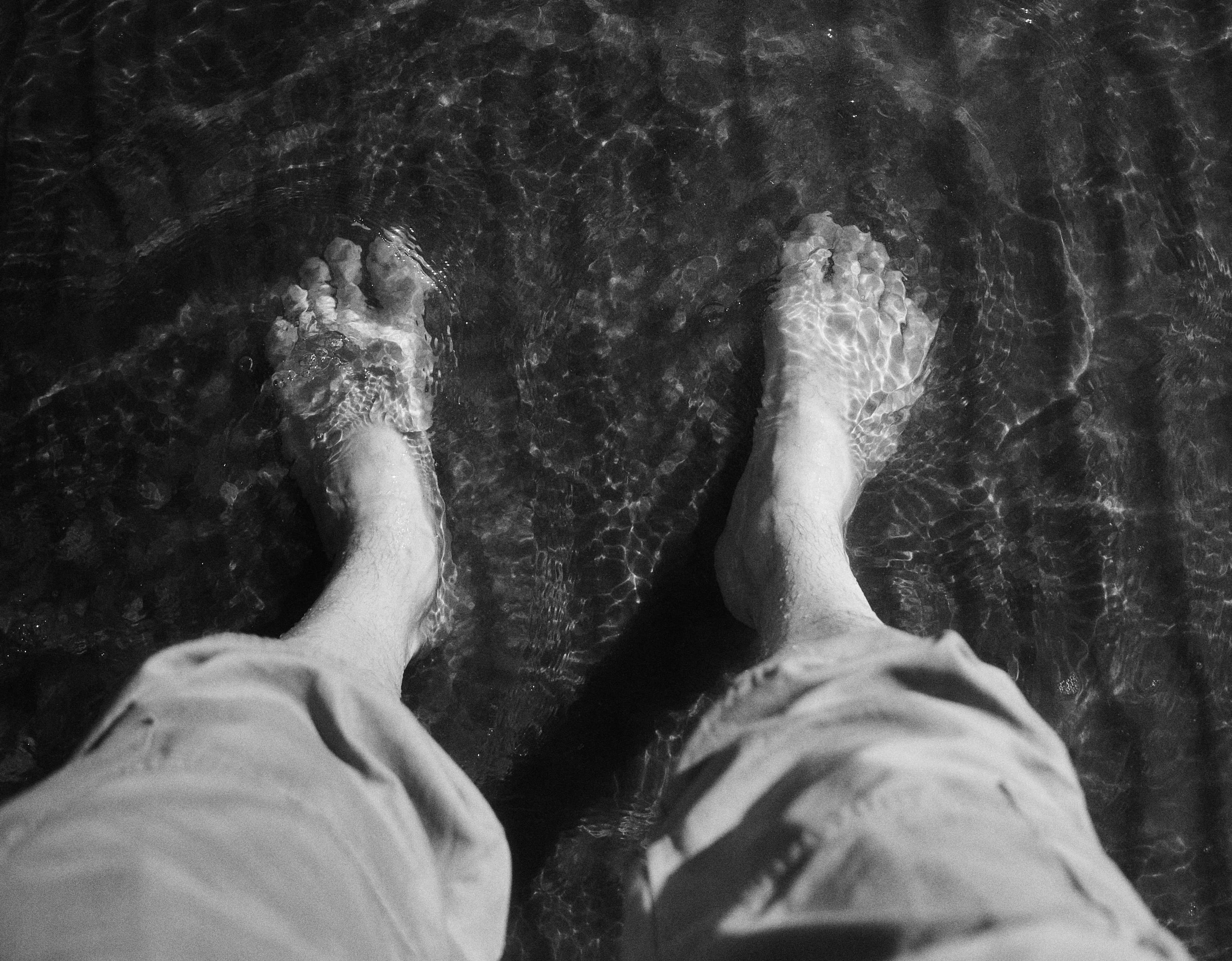
Every story of transformation, in career or life, starts with crossing the invisible line that fear draws. The next time it appears, remember it’s a mile wide but an inch deep. You can walk on water! Step through and watch your limits re-draw themselves. Your greatest capability is waiting on the other side.
More from Professional Development and Training
Explore related articles on similar topics