The Human Algorithm: Designing AI That Reflects Our Values
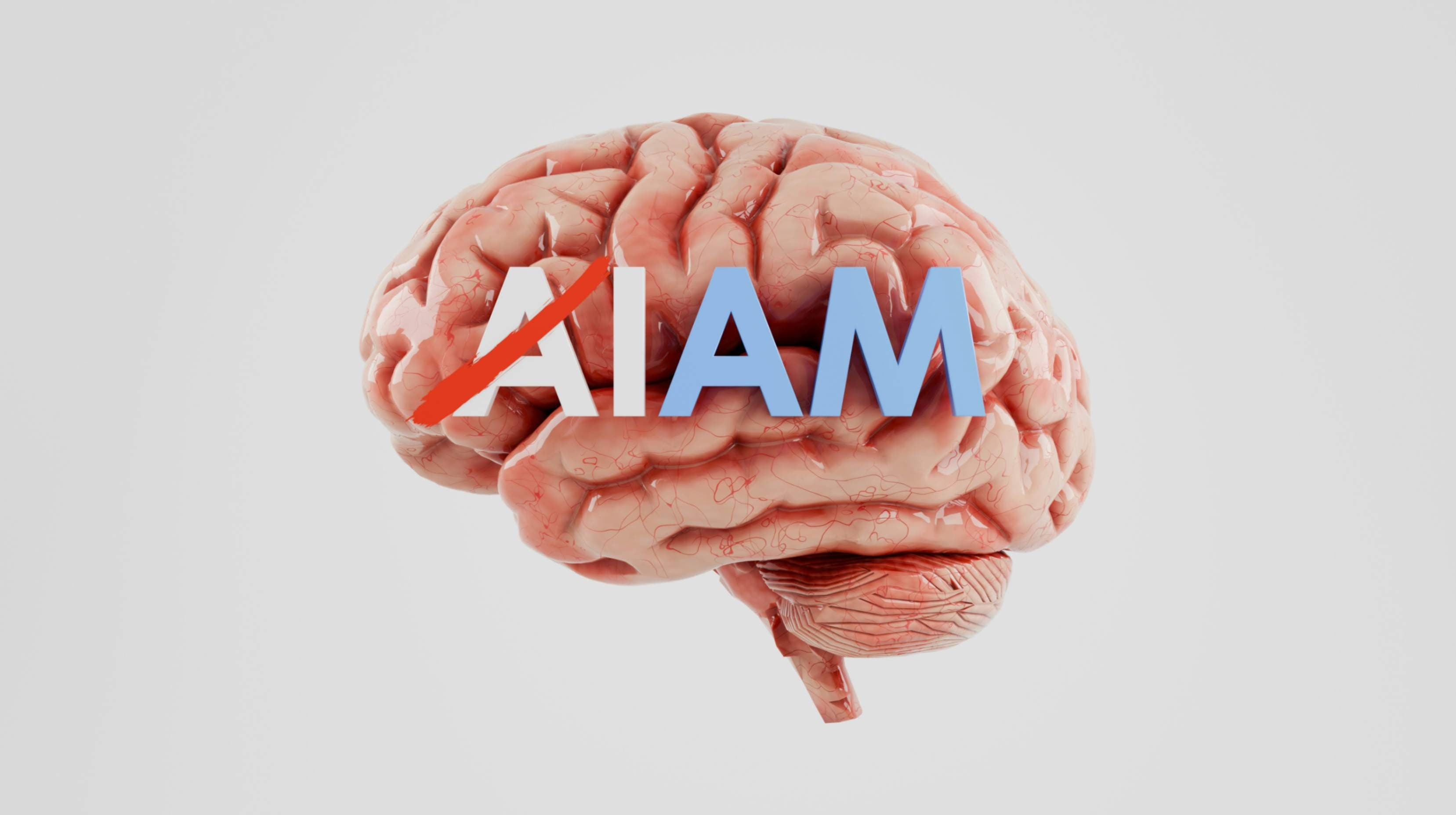
Successfully integrating artificial intelligence into an organization begins with a commitment to human-centered design. This approach ensures that AI systems are not simply tools for efficiency but are aligned with the values, needs, and lived experiences of the people they serve. One effective method is to involve cross-functional teams, including frontline employees, in the AI design process. When staff participate in shaping automation tools, the resulting systems are more intuitive, more trusted, and more likely to support rather than disrupt meaningful work. This participatory approach also fosters acceptance and smoother implementation across departments.
Ethical frameworks should underpin every stage of AI adoption. Establishing clear guidelines on data use, transparency, and bias mitigation helps maintain public trust and employee confidence. For instance, the City of Amsterdam developed an AI register that transparently documents AI systems used in public services, including their purpose, data inputs, and human oversight measures. This not only informs citizens but also reinforces accountability within city departments1. By emphasizing fairness, explainability, and inclusion, organizations can ensure that AI tools support rather than undermine democratic values and social equity.
Real-World Examples of AI Enhancing Human Service
AI systems can enhance service delivery without diminishing the human element when deployed thoughtfully. For example, the City of Los Angeles uses an AI-powered chatbot named CHIP (City Hall Internet Personality) to answer common queries about city services. While CHIP handles routine questions 24/7, it also flags complex requests for human follow-up, ensuring residents receive accurate and empathetic responses when needed2. This hybrid model improves access and efficiency while preserving meaningful human interaction for nuanced issues.
In the healthcare sector, Kaiser Permanente implemented predictive analytics to identify patients at risk of sepsis. Instead of replacing medical staff, the system alerts clinicians in real time, supporting faster interventions and saving lives3. Here, AI augments professional judgment by surfacing critical information quickly. The technology becomes a collaborator rather than a competitor, allowing providers to focus more on patient care and less on administrative scanning of records.
Best Practices for Balancing Automation with Empathy
Leaders who wish to integrate AI without sacrificing humanity should prioritize three key practices: transparency, co-design, and continuous learning. First, transparency about how AI tools make decisions builds trust among staff and the public. Whether the AI is used for scheduling, inspections, or constituent communication, people need to understand what the system does and how they can question or override it. Making AI decisions auditable is a concrete step toward accountability and fairness.
Second, co-designing AI systems with end users ensures the technology fits into existing workflows and complements human skills. This means involving employees and community members early in the development process, gathering feedback through pilots, and refining tools based on real-world use. Finally, organizations should invest in training that equips staff to work alongside AI. This includes not just technical instruction, but also education on ethical risks, equity considerations, and how to maintain empathy in high-tech environments. When employees feel empowered and informed, they are more likely to use AI responsibly and effectively.
Practical Steps for Leaders to Integrate AI Thoughtfully
Municipal leaders and organizational executives can take several actionable steps to ensure AI deployment enhances rather than erodes human connection. Begin with a clear problem statement: define what the AI is meant to solve, and whether automation is truly the best approach. This helps avoid implementing technology for its own sake. Next, conduct a cross-disciplinary impact assessment that includes legal, social, and operational perspectives. This should evaluate potential harms as well as benefits, and identify where human oversight must be retained.
After system deployment, leaders must establish feedback loops that allow for real-time learning and adjustment. This includes mechanisms for employees and users to report concerns, suggest improvements, and flag unexpected outcomes. Regular audits for bias, performance, and user satisfaction help ensure the system continues to serve its intended purpose. Finally, leaders should model and reward behavior that values human dignity, empathy, and inclusiveness in the use of AI. Recognizing and promoting these values sends a clear message that technology is a servant of human progress, not a substitute for it.
Technology as a Catalyst for Human Flourishing
When deployed with care and intentionality, artificial intelligence can be a powerful force for good. It can free people from repetitive tasks, surface insights that would otherwise be missed, and expand access to services. But its greatest potential lies in what it enables people to do better: connect, create, and lead with empathy. The most enduring innovations are those that reflect and reinforce our shared humanity.
As AI continues to evolve, the challenge for organizations is not just technological but moral and cultural. It is a call to rethink how we deliver services, how we relate to one another, and how we define value in our work. By keeping people at the center of every AI initiative, leaders can ensure that progress is measured not only in efficiency gains but in the depth of care, fairness, and purpose it fosters. Technology, after all, achieves its highest impact when it amplifies the best of who we are.
Bibliography
City of Amsterdam. "Algorithm Register." Amsterdam Intelligence. Accessed April 5, 2024. https://algoritmeregister.amsterdam.nl/en.
City of Los Angeles Information Technology Agency. "CHIP: City Hall Internet Personality." City of Los Angeles. Accessed April 5, 2024. https://ita.lacity.gov/ai-chip.
Henry, Kelsey E., et al. "A Targeted Real-Time Early Warning Score (TREWScore) for Septic Shock." Science Translational Medicine 7, no. 299 (2015): 299ra122. https://doi.org/10.1126/scitranslmed.aab3719.






Join the discussion
Members can read and add comments on every article.