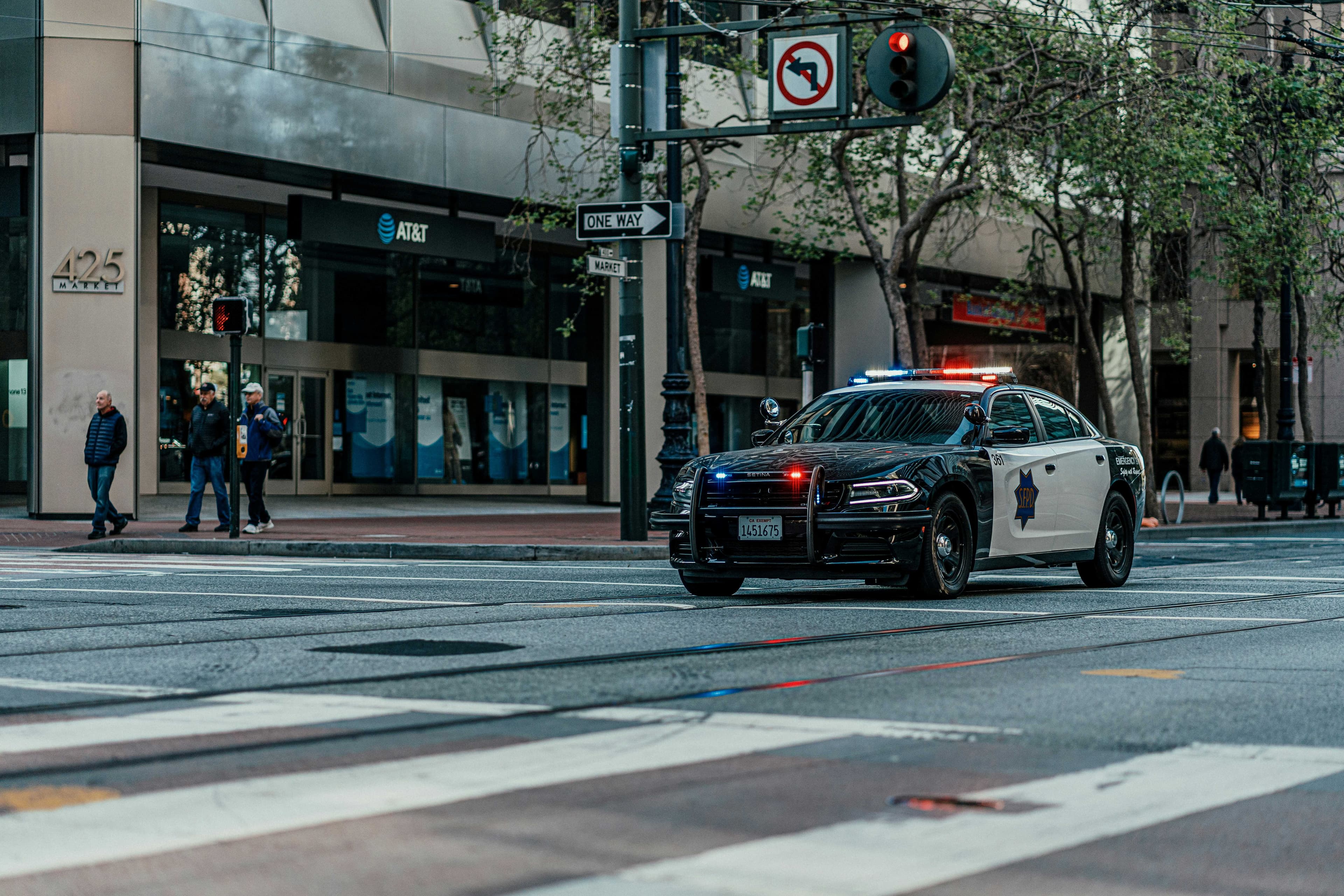
Public Safety Begins- and Ends- with Law Enforcement

Public safety is often discussed as a shared responsibility. And it is. Fire services, EMS, community partners, and local government all play pivotal roles. However, when something goes wrong, when uncertainty turns into risk, when someone calls for help, it is law enforcement that most frequently stands at the center. Not because it operates alone. But because it is expected to hold the line.
Public Safety Is Measured in Moments
Public safety isn’t defined by policy. It’s defined in moments. A traffic stop that turns uncertain. A domestic call where emotions are already high. A situation that can either calm down or escalate quickly. In those moments, the presence of law enforcement carries weight. Not just in authority, but in decision-making.
What an officer says, how they respond, and what they choose to do—or not do—can shape the outcome in seconds. That’s where public safety becomes real.
The Role Is Broader Than Enforcement
Law enforcement is often viewed through the lens of enforcement. But the role is wider than that. Officers manage conflict. They stabilize situations. They make decisions in environments where information is incomplete, and conditions change quickly. Much of what they do never results in an arrest. But it still matters. Because preventing escalation is as much a part of public safety as responding to it.
Trust Is Built One Interaction at a Time
Public safety depends on trust. Not in general terms—but in individual interactions. How people are treated. Whether communication is clear. Whether actions match expectations. Trust doesn’t come from a single initiative. It builds—or erodes—over time, through repeated contact. And in many communities, law enforcement is the most visible point of that contact.
Decision Quality Defines Outcomes
In law enforcement, decisions are rarely made with complete information. They are made with what is available in the moment. That’s why decision quality matters more than almost anything else.
Training, experience, and leadership all shape how those decisions are made:
When to act
When to slow down
When to communicate
When to intervene
Good decisions don’t guarantee perfect outcomes.
But poor decisions almost always create problems.
Public Safety Is a System, Not a Single Agency
While law enforcement often stands at the center of critical moments, it does not operate in isolation.
Public safety is a system.
What law enforcement does affects EMS response. What EMS encounters affects hospital capacity. What happens in the community affects all of it. Strong leadership recognizes those connections. It builds relationships across agencies. It aligns priorities. It ensures communication moves in all directions.
Because when the system works together, outcomes improve.
The Weight of the Role
There is a reality to law enforcement that is often overlooked.
The decisions made in this profession carry consequences that extend beyond the moment.
For the community. For the individuals involved. For the officers themselves.
That weight doesn’t go away.
And it shouldn’t.
It is part of what keeps the profession grounded in responsibility.
Leadership Shapes Public Safety
Public safety doesn’t happen by accident.
It is shaped by leadership.
The standards that are set
The expectations that are reinforced
The training that is prioritized
The accountability that is maintained
Leaders determine whether an organization operates with clarity or confusion, consistency or variation.
And over time, those choices define how well public safety is delivered.
What This Comes Down To
Public safety is a shared effort.
But in the moments that matter most, law enforcement is often where it becomes real.
Not in theory.
In decisions. In actions. In outcomes that can’t be taken back.
Leaders who understand that don’t just focus on enforcement. They focus on preparation, clarity, and the systems that support good decisions under pressure.
Because when the call comes—and it will—public safety depends on what happens next.
And in many cases, that responsibility begins with law enforcement.