Rescue the Rescuers: Signs of Trauma Stress Every Leader Should Know
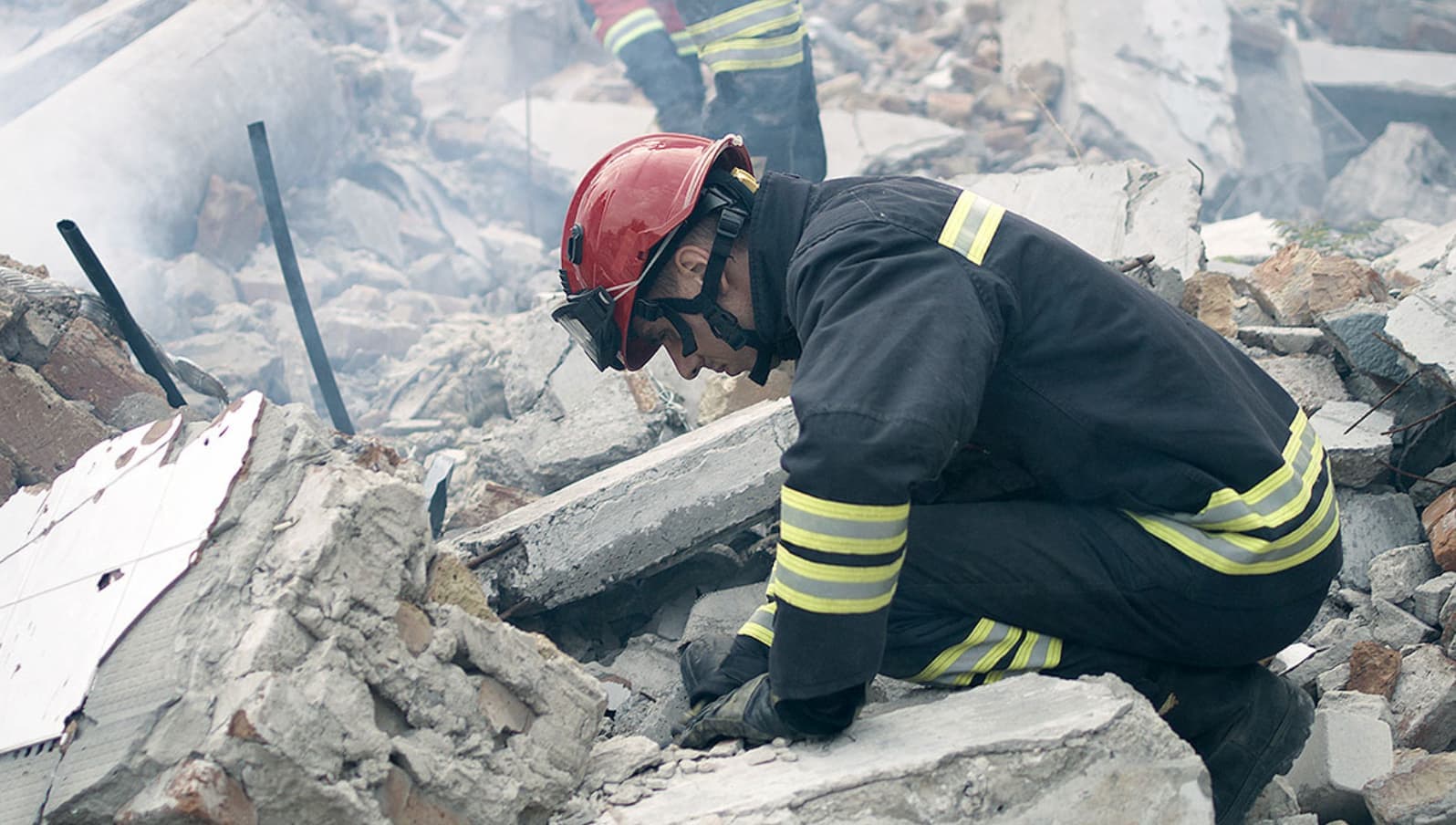
Some people don't get to look away. When disaster hits, they run toward the flames, the wreckage, the hospital bed, or the frightened child, and they carry what they see long after the shift ends. That weight doesn't only fall on firefighters and police officers. Nurses who hold the hands of the dying, teachers who comfort students through tragedy, and countless others who show up in a crisis carry it too. The stress can show up in the body, the mind, the heart, and in how we behave, sometimes right away and sometimes months later. If you have ever held it together for everyone else and then fallen apart in the car, this is for you.
Emergency workers must respond quickly to natural disasters and are at risk of experiencing stress from these traumatic incidents. Symptoms of stress can be physical, cognitive, emotional, and behavioral.
What is a traumatic incident?
A traumatic incident is one that may involve exposure to
Catastrophic events
Severely injured children or adults
Dead bodies or body parts
Loss of colleagues
Recognizing, monitoring, and maintaining workers health on-site during a traumatic incident can reduce the risk of experiencing stress.
Symptoms of stress
Workers may experience physical, cognitive, emotional, or behavioral symptoms of stress. Some people experience these reactions immediately at the scene, while for others symptoms may occur weeks or months later.
Physical symptoms
Workers experiencing any of the following symptoms should seek IMMEDIATE medical attention:
Chest pain
Difficulty breathing
Severe pain
Symptoms of shock (shallow breathing, rapid or weak pulse, nausea, shivering, pale and moist skin, mental confusion, and dilated pupils)
Workers may also experience the following physical symptoms. If these symptoms occur over time or become severe, workers should seek medical attention. Additional physical symptoms include:
Fatigue/nonspecific aches and pains
Nausea/vomiting
Dizziness/headaches
Profuse sweating
Thirst
Visual difficulties
Clenching of jaw
Cognitive symptoms
If these symptoms occur on the scene workers may not be able to stay clearly focused to maintain their own safety or to rescue injured victims. Workers may experience momentary cognitive symptoms; however, if symptoms are chronic or interfere with daily activities, workers should seek medical attention. These symptoms include:
Confusion
Disorientation
Heightened or lowered alertness
Poor concentration
Poor problem solving
Difficulty identifying familiar objects or people
Memory problems
Nightmares
Emotional symptoms
Strong emotions are ordinary reactions to a traumatic or extraordinary situation. Workers should seek mental health support from a disaster mental health professional if symptoms or distress continue for several weeks or if they interfere with daily activities. Emotional symptoms include:
Anxiety
Guilt
Denial
Grief
Fear
Irritability
Loss of emotional control
Depression
Sense of failure
Feeling overwhelmed
Blaming others or self
Severe pain (rare)
Behavioral symptoms
As a result of a traumatic incident, workers may notice the following behavioral changes in themselves or coworkers:
Intense anger
Withdrawal
Emotional outburst
Temporary outburst
Temporary loss or increase of appetite
Excessive alcohol consumption
Inability to rest, pacing
Change in sexual function
Monitoring and maintaining health
Responders need to take care of their own health to maintain the constant attention they need for their own safety. Responders must be able to stay focused on the job in the dynamic, changing emergency environment. Often responders do not recognize the need to take care of themselves and to monitor their own emotional and physical health. This is especially true if recovery efforts stretch into several weeks. The following guidelines contain simple methods for workers and their team leaders to help themselves and their team members. These guidelines should be read while at the site and again after workers return home.
Control the organization and pace of the rescue and recovery efforts
Pace yourself. Rescue and recovery efforts at the site may continue for days or weeks.
Watch out for each other. Coworkers may be intently focused on a particular task and may not notice a hazard nearby or behind.
Be conscious of those around you. Responders who are exhausted, stressed, or even temporarily distracted may place themselves and others at risk.
Take frequent rest breaks. Rescue and recovery operations take place in extremely dangerous work environments. Mental fatigue, particularly over long shifts, can greatly increase emergency workers' risk of injury.
Maintain adequate nutrition and rest
Eat and sleep regularly. Maintain as normal a schedule as possible and adhere to the team schedule and rotation.
Drink plenty of fluids such as water and juices.
Try to eat a variety of foods and increase your intake of complex carbohydrates (for example, breads and muffins made with whole grains, granola bars).
Whenever possible, take breaks away from the work area. Eat and drink in the cleanest area available.
Monitor mental/emotional health
Recognize and accept what you cannot change—the chain of command, organizational structure, waiting, equipment failures, etc.
Talk to people when YOU feel like it. You decide when you want to discuss your experience. Talking about an event may be reliving it. Choose your own comfort level.
If your employer provided you with formal mental health support, use it!
Give yourself permission to feel rotten: You are in a difficult situation.
Recurring thoughts, dreams, or flashbacks are normal—do not try to fight them. They will decrease over time.
Communicate with your loved ones at home as frequently as possible.
Maintaining health after the incident
Over time, workers’ impressions and understanding of their experience will change. This process is different for everyone. No matter what the event or an individual’s reaction to it, workers can follow some basic steps to help themselves adjust to the experience:
Reach out—people really do care.
Reconnect with family, spiritual, and community supports.
Consider keeping a journal.
Do not make any big life decisions.
Make as many daily decisions as possible to give yourself a feeling of control over your life.
Spend time with others or alone doing the things you enjoy to refresh and recharge yourself.
Be aware that you may feel particularly fearful for your family. This is normal and will pass in time.
Remember that "getting back to normal" takes time. Gradually work back into your routine. Let others carry more weight for a while at home and at work.
Be aware that recovery is not a straight path but a matter of two steps forward and one back. You will make progress.
Appreciate a sense of humor in yourself and others. It is okay to laugh again.
Your family will experience the disaster along with you. You need to support each other. This is a time for patience, understanding, and communication.
Avoid overuse of drugs or alcohol. You do not need to complicate your situation with a substance abuse problem.
Get plenty of rest and normal exercise. Eat well-balanced, regular meals.
Running toward someone else's worst day shouldn't cost you your own well-being. Stress after trauma is a normal human response, not a weakness, and healing usually comes as two steps forward and one step back. Pace yourself, look out for your team, talk when you're ready, and let people who care about you carry some of the load. Check in with yourself today. If you lead others, check in with them too. If you know a responder, nurse, teacher, or anyone else who shows up when it counts, share this with them. Taking care of themselves is what lets them keep taking care of the rest of us.
This article is adapted from "Traumatic Incident Stress," published by the National Institute for Occupational Safety and Health (NIOSH), part of the Centers for Disease Control and Prevention (CDC).