Considering a Career in Policing? What the Academy Is Designed to Build
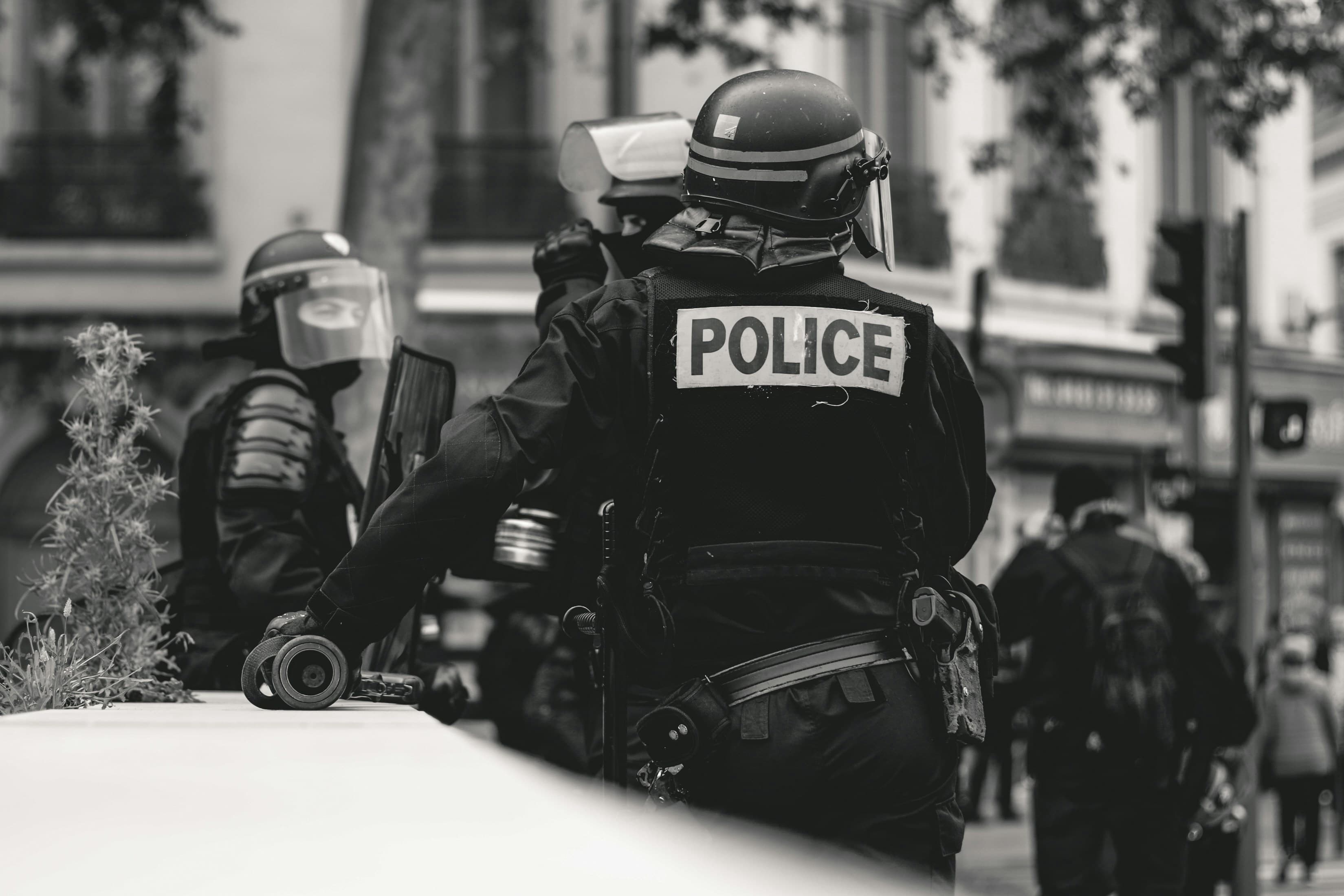
The police academy is more than a training program. It is the professional foundation for a career that carries public trust, legal authority, personal risk, and lasting responsibility. For recruits, the academy represents the transition from civilian life into a profession that requires sound judgment, discipline, emotional control, physical readiness, and a commitment to serve others fairly.
At its best, the academy does not simply teach someone how to wear a uniform, make an arrest, drive an emergency vehicle, or respond to a dangerous call. Its deeper purpose is to prepare future officers to think differently. They must understand that the decisions they make, both on and off duty, can affect people’s lives, their department’s reputation, their own families, and the communities they serve.
Graduation is an important milestone, but it is only the beginning. I am going to make a bold statement here and say that a successful police career depends on the habits, mindset, and values developed during academy training.
Building a Professional Mindset
One of the first lessons recruits learn is that policing is not merely a job. It is a profession and a public obligation. Officers are entrusted with powers that most people do not have, including the authority to detain, investigate, enforce laws, and, when necessary, use reasonable force. That authority must always be balanced by accountability, restraint, and respect for constitutional rights.
The academy begins shaping the mindset needed to carry that responsibility. Recruits learn punctuality, attention to detail, chain of command, report writing, teamwork, situational awareness, and the importance of following lawful policies and procedures. These lessons may appear routine, but they establish habits that can make a critical difference years later.
An officer’s way of thinking must be grounded in preparation rather than ego. The goal is not to win every interaction. The goal is to resolve situations lawfully, safely, and professionally whenever possible. That requires the ability to remain calm when others are angry, to listen before reacting, to communicate clearly, and to recognize when a situation calls for patience rather than immediate action.
A professional mindset also means accepting that learning never ends. Policies change. Laws evolve. Community expectations shift. New technologies emerge. The officer who believes they already know everything becomes a risk to themselves, their colleagues, and the public. The officer who stays curious, coachable, and accountable has a far better chance of building a respected and sustainable career.
Learning the Law
A central purpose of the police academy is to teach recruits the legal framework that governs police work. Officers do not enforce personal opinions, rumors, or assumptions. They enforce laws within constitutional limits.
Recruits study criminal statutes, traffic laws, juvenile law, domestic violence procedures, search-and-seizure rules, arrest authority, evidence handling, report writing, and courtroom testimony. They learn that every stop, detention, search, interview, arrest, and use-of-force decision must be legally justified.
Understanding the law is not about memorizing every statute word for word. It is about developing the ability to identify legal issues quickly and make defensible decisions under pressure. For example, officers must understand the difference between a consensual encounter, reasonable suspicion, and probable cause. They must know when a person is free to leave, when a search requires consent or a warrant, and how to document the facts that support their actions.
Good police work is often built on details. What did the officer observe? What did the witness say? What evidence was present? What actions did the suspect take? A well-written report and a lawful investigation protect the integrity of a case, support prosecutors, protect victims, and help ensure that innocent people are not wrongfully accused.
The academy teaches recruits that legality and professionalism are inseparable. An officer who knows the law can act confidently. An officer who ignores the law can jeopardize a case, damage public trust, and place their department and career at risk.
Learning Tactics and Decision-Making
Police tactics are another essential part of academy instruction. Recruits train in defensive tactics, firearms safety, emergency vehicle operations, de-escalation, communication, building searches, handcuffing, first aid, and response to critical incidents. These skills are designed to help officers protect themselves, protect others, and make sound decisions in unpredictable environments.
However, tactics are not only about physical skill. They are also about judgment. A recruit may learn how to control a resistant person, but they must also learn when physical intervention is necessary and when communication, time, distance, or additional resources may be the safer option.
The most effective officers understand that tactical awareness begins before a crisis occurs. It includes recognizing environmental risks, maintaining appropriate positioning, communicating with partners, observing body language, and anticipating how a situation may change. It also requires officers to avoid complacency. Routine calls can become dangerous quickly, and dangerous calls can sometimes be stabilized through calm, thoughtful communication.
Training should reinforce the principle that every encounter is different. There is no substitute for sound judgment. Officers must continually assess the facts in front of them, use only the level of force that is objectively reasonable under the circumstances, and remain focused on preserving life whenever possible.
Understanding Off-Duty Responsibilities
A badge may come off at the end of a shift, but an officer’s responsibilities do not disappear entirely. The academy should prepare recruits to understand that their conduct off duty can have serious professional consequences.
Off-duty behavior matters because police officers are held to a higher standard of judgment. Social media posts, personal relationships, alcohol use, financial decisions, confrontations, and even casual comments can affect an officer’s credibility and the public’s confidence in the department. An officer who acts irresponsibly off duty may later face questions about integrity, judgment, or reliability in court.
This does not mean officers should live in fear or surrender their personal lives. It means they must exercise maturity. They should avoid unnecessary confrontations, make responsible choices, protect confidential information, and understand that their actions can reflect on the profession.
Off-duty responsibility also includes personal wellness. Officers need healthy ways to manage stress, maintain relationships, sleep, exercise, and seek help when necessary. Ignoring mental health, family strain, financial pressure, or substance misuse can damage careers and lives. Asking for support is not weakness. It is a sign of self-awareness and professionalism.
Adjusting for Longevity
Perhaps the most important purpose of the academy is to help recruits prepare not only for their first day on patrol, but for a long and meaningful career.
Policing can expose officers to trauma, conflict, shift work, public scrutiny, and repeated high-stress situations. Without balance, these pressures can lead to burnout, cynicism, poor health, strained relationships, and poor decision-making. Longevity requires officers to build routines that protect their physical, emotional, and professional well-being.
A sustainable career is built through humility, continuing education, mentorship, fitness, integrity, and the ability to adapt. Officers should seek experienced mentors, learn from mistakes, remain open to constructive feedback, and never allow pride to prevent growth.
The police academy is where that journey begins. It teaches recruits the law, tactics, discipline, and responsibilities required to enter the profession. More importantly, it should teach them how to think, how to lead themselves, and how to build a career worthy of the public trust placed in them.






Join the discussion
Members can read and add comments on every article.